

From the 1890s to the 1920s, Chicago was home to a large number of women’s clubs, where members could find advice, assistance, companionship, and participate in special programs. As a rule, these communities were segregated by class, ethnicity, and race, and they engaged in a wide variety of activities shaped by the institutions, traditions, and resources of their communities, writes chicagoka.com.
White Women’s Clubs
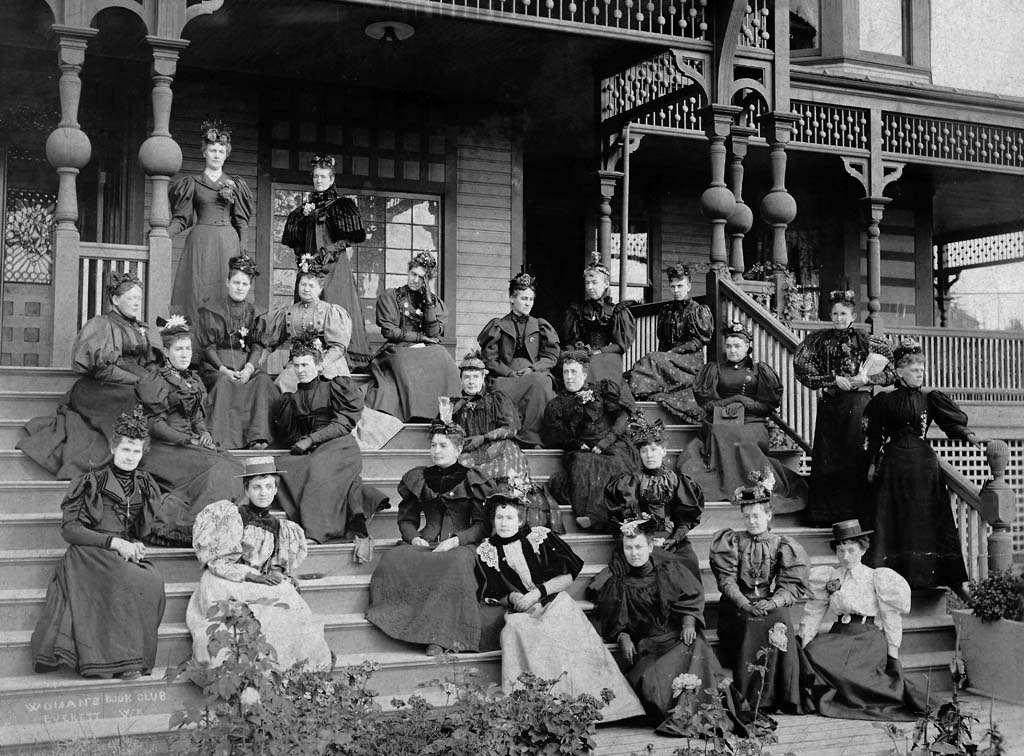
The Chicago Woman’s Club, established in 1876, was dominated by affluent, native-born white women. At the time, it was one of the most influential and active clubs in the city. Initially, its activities focused on self-improvement and social betterment. Club members studied classical literature and art, and also helped establish kindergartens and homes for underprivileged women.
In the 1880s, they shifted their efforts toward public policy reform, primarily focusing on improving public institutions for dependent children, orphans, and female prisoners, as well as advocating for compulsory education and anti-child labor laws. Members of this club, including Julia Lathrop, Jane Addams, and Lucy Flower, were highly influential figures in the city. Thanks in large part to them, the Illinois Juvenile Court Act was passed in 1899, which led to the creation of the first juvenile court in the United States.
Another popular group, the Hull House Woman’s Club, actively collaborated with other elite white women’s communities as part of the Cook County League of Clubs. Together, they raised money to build schools and playgrounds. This alliance also formed city-wide improvement associations focused on keeping streets clean, managing garbage collection, and improving conditions in schools. The strategies and motivations of women’s clubs during this period differed significantly from those of men’s clubs. For example, the Woman’s City Club limited its interest in professional education, preferring to focus on child welfare, whereas men’s clubs were largely motivated by business interests.
The Clubs of Immigrant and African American Women
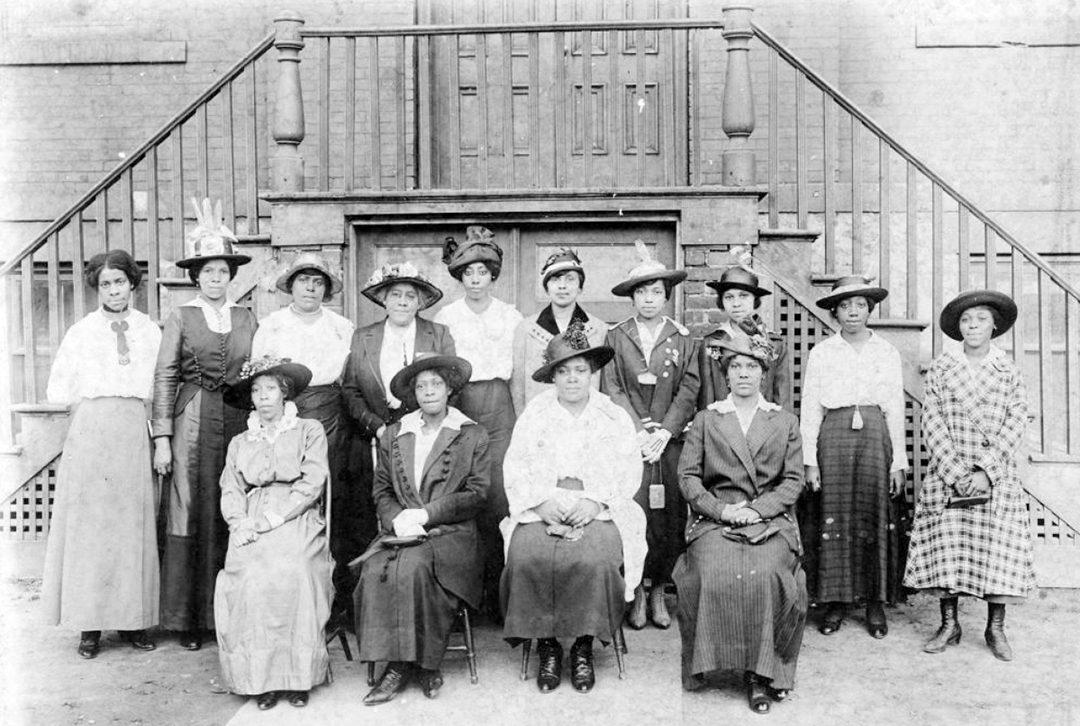
Chicago also had clubs founded by African American women, which similarly combined traditional concerns for child welfare with political activism. However, unlike their white counterparts, they faced distinct obstacles, such as racism, insufficient funding, and a lack of cooperation from mainstream organizations. Despite this, they established and supported numerous community organizations, including kindergartens and homes for the elderly and infirm. Through specially designed letter-writing campaigns to lawmakers, they also protested discrimination in schools and the workplace. Their strategies of educating voters on political platforms, door-to-door canvassing, and forming voting blocs were particularly popular in 1915.
Immigrant women also created their own clubs, many of which were parish-based organizations featuring drama, literary, and singing groups. They assisted those in need—primarily new arrivals, destitute women, poor children, and the elderly—and, like other ethnic clubs, were dedicated to preserving cultural traditions. For example, the Polish Women’s Alliance, established in 1898, organized a reading room for women, as well as schools for studying Polish language, culture, and history. Although Polish women were deeply active in political issues like suffrage and improving the status of women, they did not align with other Chicago clubs. This was due to language differences and a strong sense of Polish nationalism.
Settlement houses also established mothers’ and women’s clubs, primarily for the Americanization of immigrant women. Most of them offered their members classes in cooking, sewing, childcare, and housekeeping, and also sponsored various social events. It is important to note that immigrant women had mixed reactions to the club programs run by middle-class settlement workers. In many cases, they resisted activities that denigrated their cultural traditions but accepted programs that were beneficial to their health and the well-being of their children.