

The Chicago Women’s Liberation Union (CWLU) was a major feminist organization that was active in the city from 1969 to 1977. Notably, it was one of the largest groups in the country focused on women’s issues. The CWLU united women under the self-proclaimed collective goal of achieving liberation from sexism and inequality, as reported by chicagoka.com.
The Challenges Facing Chicago Women
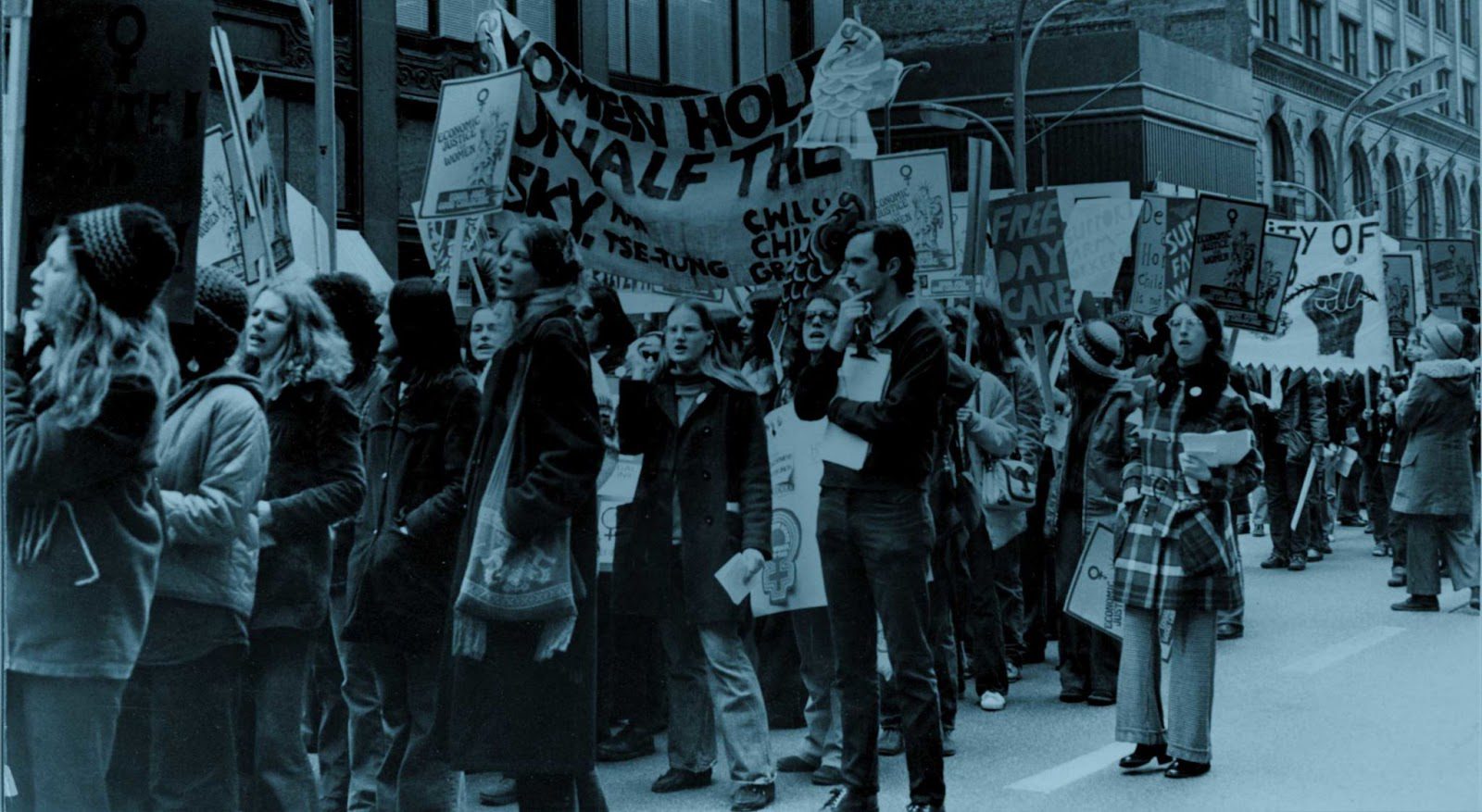
Soon after its founding, the CWLU established various groups and organizations—both large and small—to tackle critical issues such as abortion access, rape, childcare, and reproductive health. Over the course of their eight years of operation, CWLU activists worked tirelessly to raise public awareness of women’s problems by circulating petitions, organizing demonstrations, and visiting schools. The CWLU also provided educational opportunities for women as a direct response to overt sexism in the U.S. and connected them with social groups to advance the liberation movement and boost awareness of reproductive health across the United States.
The formation of the CWLU coincided with a period of growing social consciousness in the U.S. During and after the Vietnam War, the country saw a surge in anti-war and civil rights movements. Many historians point to this era as the start of the second wave of the feminist movement. Notably, the earlier feminist efforts of the 19th and early 20th centuries had focused on gender equality and women’s suffrage, which ultimately led to women winning the right to vote in 1920.
Second-wave feminists primarily addressed issues concerning sexuality, employment, family life, reproductive rights, and political inequality. In the 1960s, most women earned half as much as men for the exact same job. To compound the problem, abortion was illegal and punishable by law enforcement, while birth control was only just beginning to gain traction.
Before the 1960s, most women received insufficient information about reproductive health from their doctors. Furthermore, many were forced to quit their jobs due to pregnancy, and available childcare options were extremely scarce. The women’s liberation movement of the 1960s and 1970s launched various nationwide campaigns aimed at solving the problems of gender inequality in women’s daily lives. They actively sought solutions to issues such as the desperate need for childcare, employment disparities, and the lack of reproductive healthcare and educational opportunities.
The Fight for Equality
The founding members of the CWLU saw the social upheaval following the Vietnam War as a prime opportunity to raise awareness about the unequal treatment of women in Chicago. A group of influential women founded the CWLU in 1967, right as activism began to pick up steam. Heather Booth, one of the founders, was a student at the University of Chicago at the time. There, approximately 40 women developed and organized the “Women’s Radical Action Project” for discussing the feminist issues that were considered radical at the time.
CWLU member Sara Boyte noted that even before the Union’s official founding, women from various radical groups across the city had begun holding meetings to share their views and strengthen their bonds. This practice soon gained popularity across the country, as activist women used these discussions to speak out about the oppression of women, sharing real-life examples of gender inequality they experienced.
In 1968, Booth, along with her friends Evie Goldfield and Sue Munaker, penned an article titled “Towards a Radical Movement,” in which they discussed the hopes of many radically minded Chicago residents. They pointed out that while women were permitted to work alongside men, they were still constantly denied political roles, barred from making serious decisions, or holding leadership positions. Essentially, women were confined to jobs like typists and secretaries. The article concluded that to achieve freedom, existing stereotypes needed to be dismantled. True gender equality, they argued, demanded more opportunities for women in the workplace and fewer prejudices against them.
The Founding of the CWLU
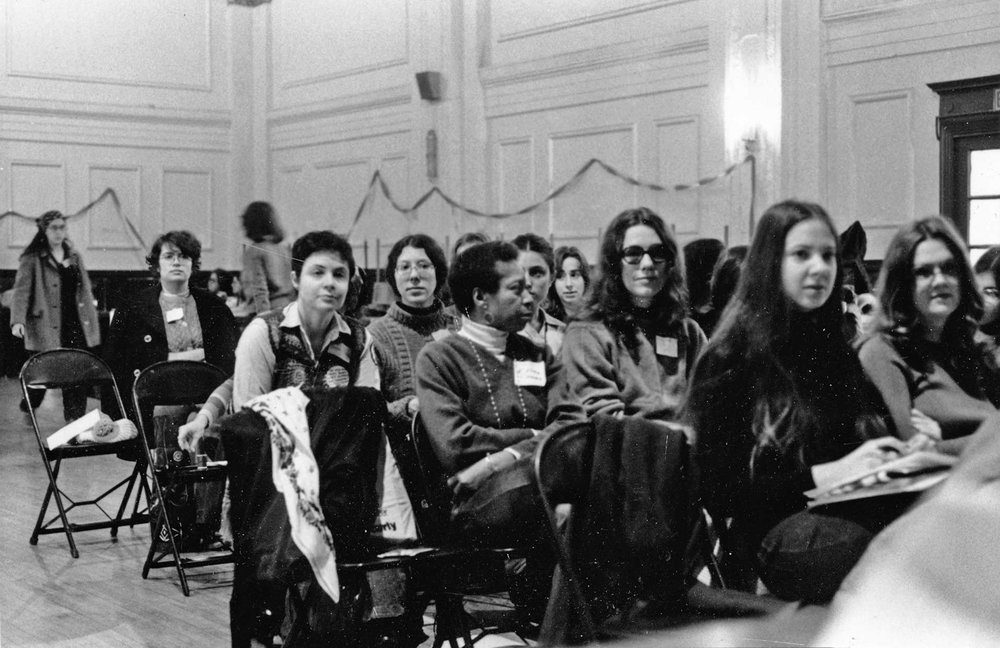
This article resonated deeply with many, and by 1969, Booth, Goldfield, and Munaker had organized a conference. During this event, they developed a program that would allow women to move beyond personal discussions and grow the activist movement. The primary goal of the conference was to establish a multi-issue group composed of members who recognized the need for a new organization to expand the women’s movement. The conference took place in Palatine in the fall of 1969. Special emphasis was placed on reproductive rights, workplace inequality, and sexism. It was at this time that the Chicago Women’s Liberation Union was officially formed and registered. CWLU members immediately drafted a set of political principles for the organization, along with several key programs. Their principles stressed that the women’s liberation movement was part of a larger social justice movement, representing a diverse range of people.
Key Subgroups and Projects
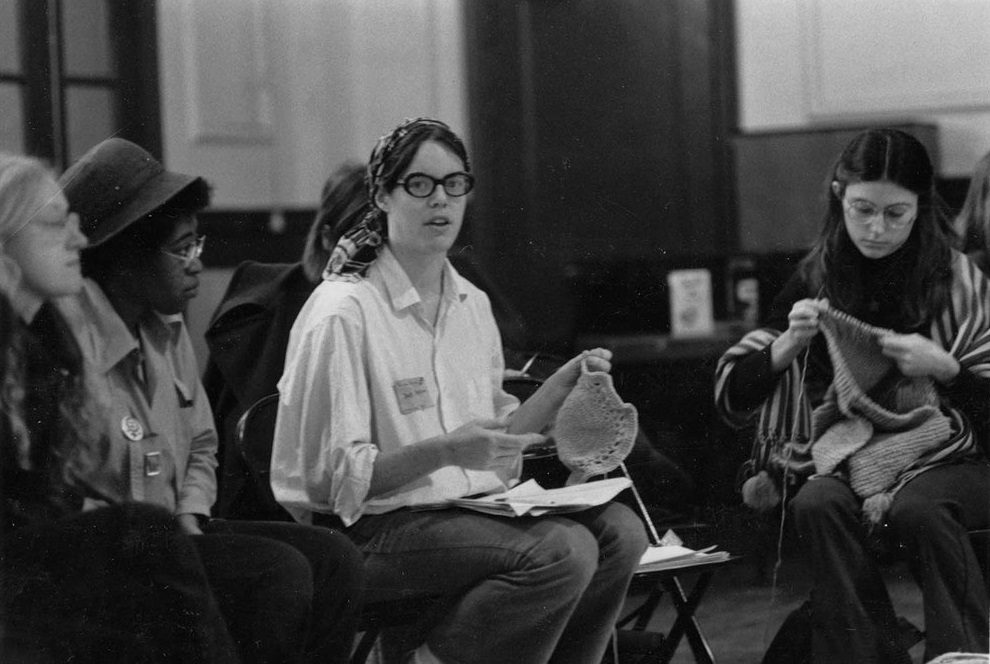
CWLU members went on to create several subgroups and projects, which successfully united countless small, local Chicago groups into one large organization. The CWLU’s mission involved engaging residents of Chicago and its suburbs and spreading important women’s liberation issues beyond the community. To achieve these goals, members distributed brochures, organized rallies and protests, and held open meetings.
Influenced by the CWLU, small groups began forming in Chicago universities, focusing on topics such as healthcare, education, economic justice in the workplace, and the rights of lesbian women and female prisoners. One such group that grew out of the CWLU was the Jane Collective, an underground service providing illegal abortions and counseling. Before 1973, abortion was banned in the U.S. and considered a crime punishable by imprisonment. These clandestine procedures were often performed by women without medical training. They charged high fees for their services, which tragically led to a large number of deaths. The Jane Collective operated secretly out of several rented apartments, offering counseling and the abortion service itself. Participants initially received training from a highly skilled doctor. Over time, they began teaching the abortion techniques to one another.
A second early group within the CWLU was the Liberation School for Women, founded in the 1970s. Its main purpose was to educate women on feminism and politics. Instructors at the school also taught students about the position of women in society and reproductive health. Furthermore, they studied anatomy and took a course in sex education. According to historian Kristian Radde, the school helped strengthen the bonds between teachers and students, giving them a renewed sense of purpose.
Another crucial CWLU project was called Secret Storm. Its aim was to empower women to participate in organized sports teams. Crucially, at the time, men managed most sports organizations, resulting in discrimination against women. Secret Storm advocated for teamwork, sportsmanship, and self-confidence among women, pushing to increase their presence in sports. To this end, organization members staged protests and submitted petitions to various authorities, demanding equal terms for women.
After eight years of work, the CWLU dissolved in 1977, leaving behind a profound legacy that significantly changed the position of women in society.