

Julia Lathrop is a well-known figure in Chicago and beyond its borders. She was a strong supporter of mentally ill immigrants, equal rights for women, social reform and child welfare. We will discuss Julia’s life and activities more at chicagoka.com.
Youth years and education
Julia was born June 29, 1858, in Rockford, Illinois. She was the eldest of five children born to William and Sarah Lathrop, immigrants from England. After graduating from high school, Julia attended Rockford College, where she studied for two years. After that, she enrolled at Vassar College. While there, she developed her own disciplinary studies, covering statistics, institutional history, sociology and community organizations. Her interest in multidisciplinary research started in 1924. Lathrop’s father, lawyer William, was also involved in politics and drafted the first bill allowing women to practice law. After graduating from university, Julia worked as a secretary at her father’s law firm.
Moving to Chicago and caring for the mentally ill
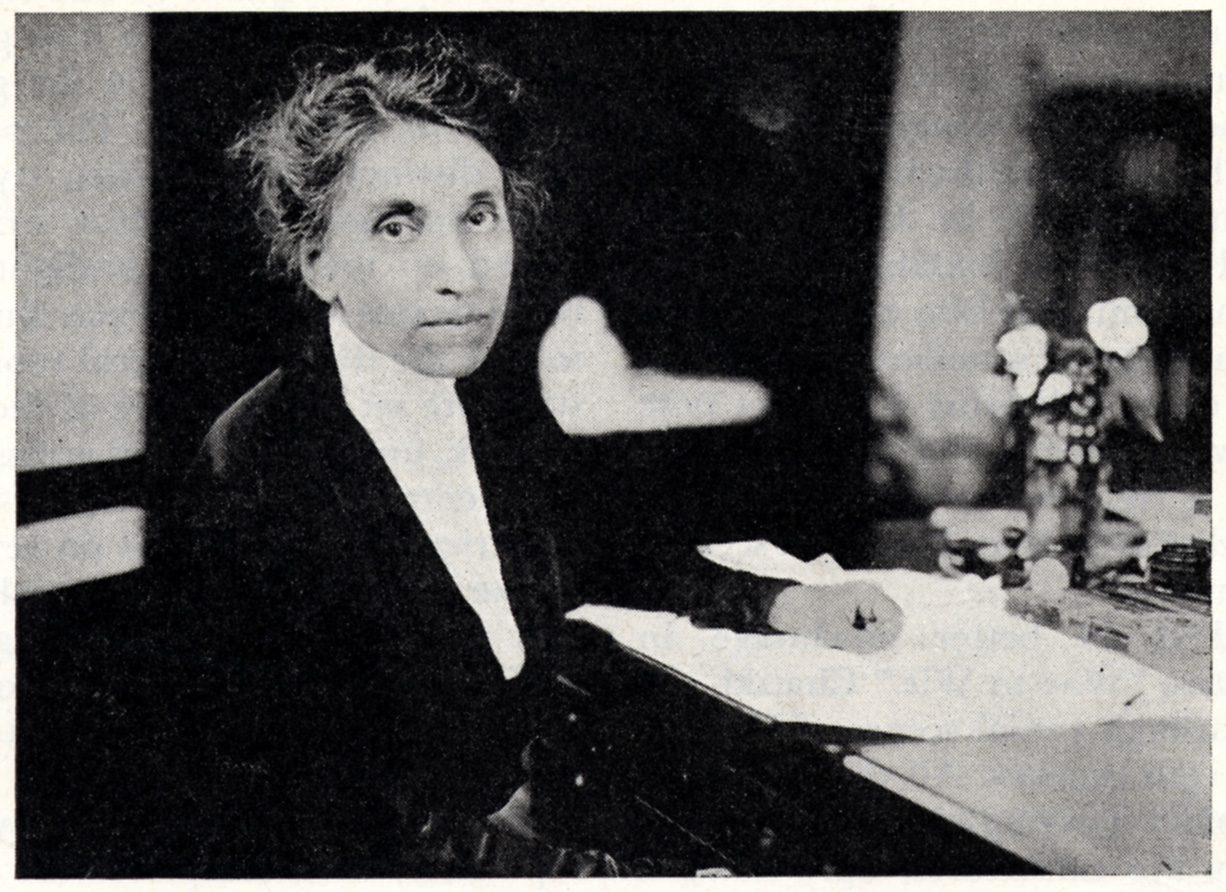
In 1890, Lathrop relocated to Southwest Chicago, the city’s infamous neighborhood, to work with Jane Addams at Hull House, a shelter for immigrants and the impoverished. Lathrop performed comprehensive research on the environment and residents’ well-being and discovered extremely bad living conditions in the area. She compiled her discoveries in “Hull House Maps and Papers,” which piqued the interest of reformer Governor John P. Altgeld. In recognition of the woman’s contributions, the governor of Illinois appointed her to the State Board of Charities in 1892. While in this position, she pushed for the separation of mentally ill, disabled and elderly people who were housed in the same facility. Lathrop advocated for the establishment of separate institutions to fulfill the specific needs of each group. Knowing that the effective functioning of institutions depends on their employees, she emphasized the importance of training staff and political appointees. Thus, the Chicago School of Civics and Philanthropy was founded with the assistance of Graham Taylor. There, Julia offered occupational therapy classes to workers who cared for the mentally ill. The institution’s educational program received national recognition.
Julia also frequently inspected psychiatric facilities, orphanages and shelters. She visited 102 institutions in Illinois, and, in 1899, founded a juvenile court in Chicago. In fact, it was the first institution of its kind in the city.
Assistance with the adoption of important laws
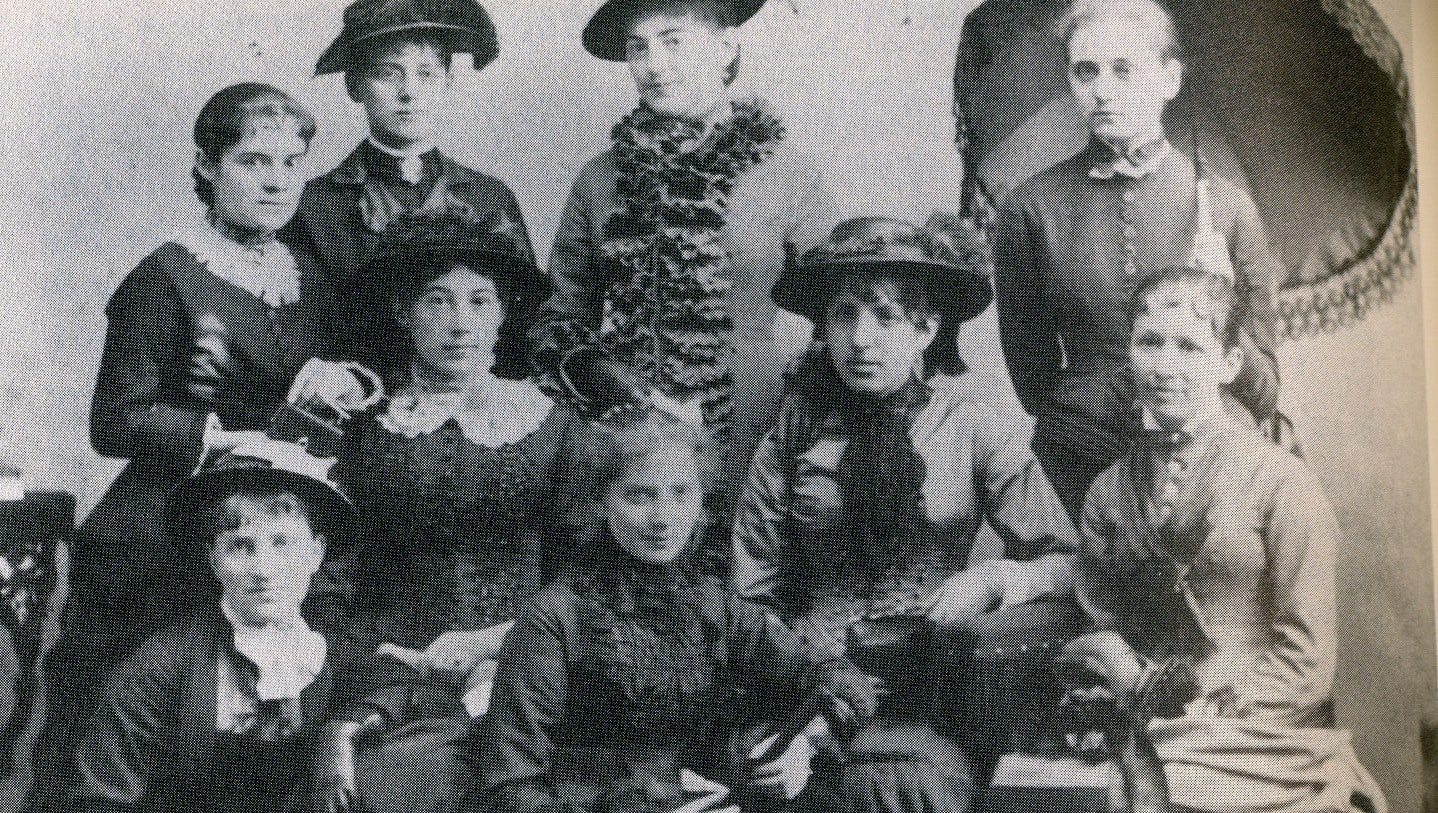
In 1912, President Taft appointed Lathrop to oversee the newly founded Children’s Bureau in the Department of Commerce and Labor. She worked there till 1921. Under her leadership, the Bureau addressed major issues such as child mortality, malnutrition and juvenile delinquency. In 1916, the Keating-Owen Child Labor Act was passed, restricting minors’ wage labor and the sale of any goods produced with child labor. Julia was also active in lobbying for the Sheppard-Towner Maternity and Infancy Protection Act, which Congress passed in 1921. At that point, Lathrop was one of the most popular and well-known federal bureaucrats. From 1918 to 1919, Lathrop was president of the National Conference of Social Work. From 1912 until 1918, she also served on the Vassar Board of Trustees. Julia remained concerned with the well-being of children, conducting research and gathering data on child mortality, labor, crime and nutrition.
Following the end of World War I, President Wilson sent Lathrop and Grace Abbott to Europe for an international conference on child welfare. Julia was instrumental in establishing a childcare bureau in the newly formed country of Czechoslovakia. In 1925, she returned to Europe as a delegate of the United States to serve on the National Committee of Mental Illness.
Final years of life
While holding different positions, Lathrop witnessed officials’ disregard for people’s needs and formed a strong belief in the significance of competent and honest civil servants.
It is important to mention that Lathrop traveled extensively throughout her life to raise awareness about the issues concerning children, factory workers and the mentally ill. Despite her numerous travels, she always returned to her hometown of Rockford. After retiring, Julia served as president of the League of Women Voters of Illinois.
Up to her final days, Julia was a vocal opponent of the death sentence for juveniles. Prior to the passage of the relevant law, they were tried in the same courts and under the same legislation as adults. Julia worked with her associates, the Chicago sorority and the Chicago Bar Association to pass legislation that established the country’s first juvenile court system. She also helped to establish a psychiatric facility for the rehabilitation of juvenile delinquents and raised funds for the for salaries for the first probation officers. Julia also encouraged women to become engaged in politics, as well as social and economic well-being. Julia Lathrop passed away in 1932, at the age of 73.