

Mental health has long been a key topic in American urban life. In Chicago, where the demand for affordable psychological support grows every year, the community itself became the driving force behind the creation of an innovative center that operates on the principles of accessibility, openness, and partnership with local residents. The Kedzie Center is more than just a medical facility; it’s a successful model of how a community can shape its own mental health system. More on chicagoka.
The Founding of EMHS
The organization Expanded Mental Health Services of Chicago NFP (EMHS) emerged in 2010 as a response to an alarming trend: the rapid reduction in the number of accessible mental health programs in Chicago. Doctors, psychologists, and community activists working across the city increasingly found that residents couldn’t get the help they needed due to high costs, long waiting lists, and a lack of centers within walking distance.
This group of professionals decided to take action, leading to the birth of the nonprofit organization EMHS. Its core mission was to create innovative solutions that consider the needs of specific communities and to overcome the barriers preventing people from accessing quality services.
One of the key tenets of EMHS was the understanding that an effective mental health support system cannot be created without listening to the people it is designed to serve. That’s why, in 2013, the organization conducted a comprehensive needs assessment of residents in Chicago’s North River Area. The results of this analysis became the foundation for the future center’s model—a place that doesn’t impose standardized services but adapts them to people’s real-world needs.
The Opening of The Kedzie Center
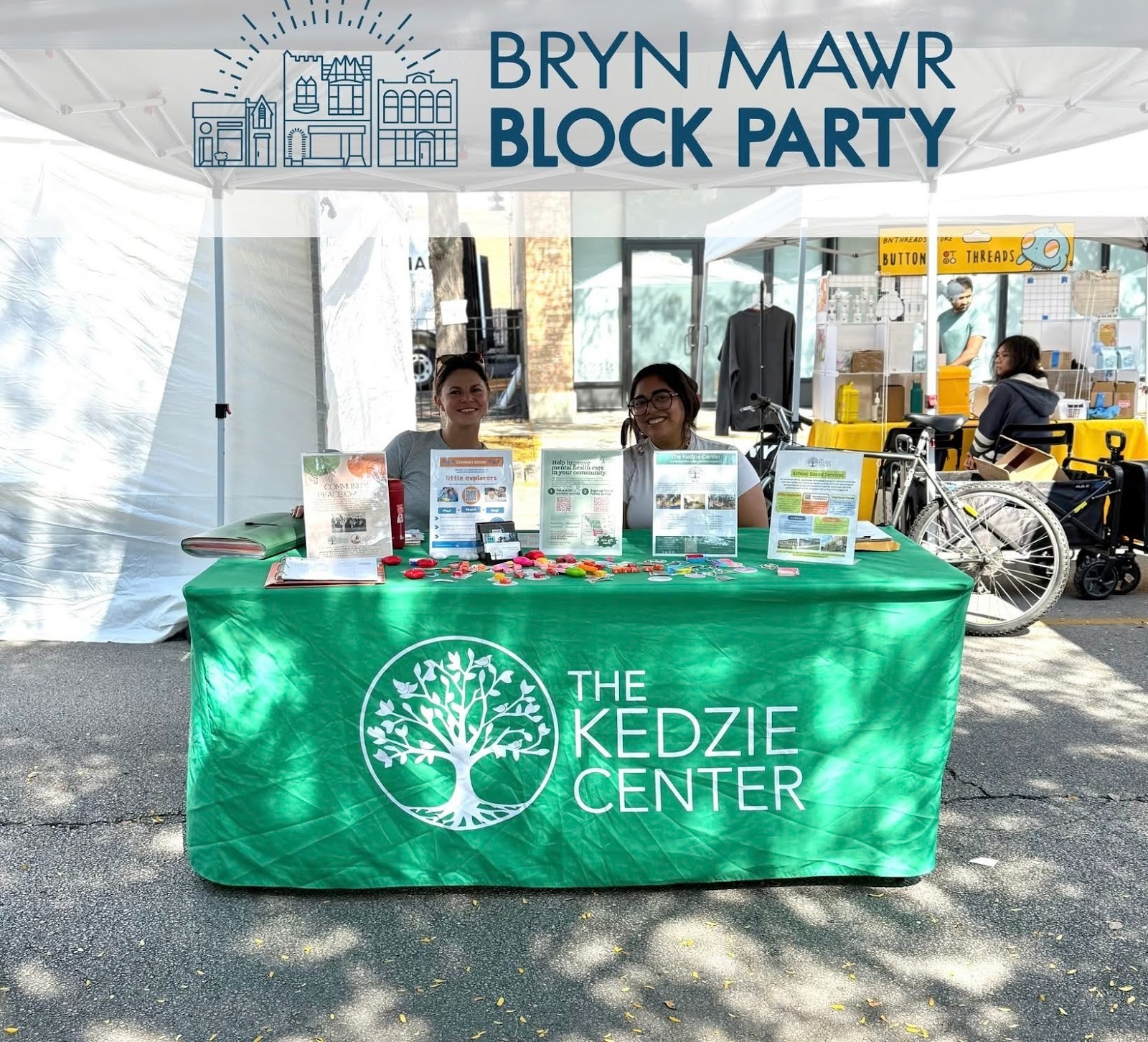
Thanks to the collaboration of North River area residents, the support of the North River Expanded Mental Health Services program, and the active work of EMHS, The Kedzie Center opened in Chicago in October 2014. This was a significant step for the community, as the center was the first of its kind: a modern facility focused on local needs, operating on principles of accessibility and psychological equity. From the very beginning, The Kedzie Center became a place where everyone could receive qualified help.
For EMHS, the center’s opening confirmed that the concerted efforts of a community, progressive professionals, and local resident support can create a system that truly works.
One of the center’s important values is respect for the history of the land on which it is located. In partnership with the American Indian Center, the facility created an official land acknowledgment—a recognition that modern Chicago stands on the traditional homelands of Indigenous peoples.
Center Services
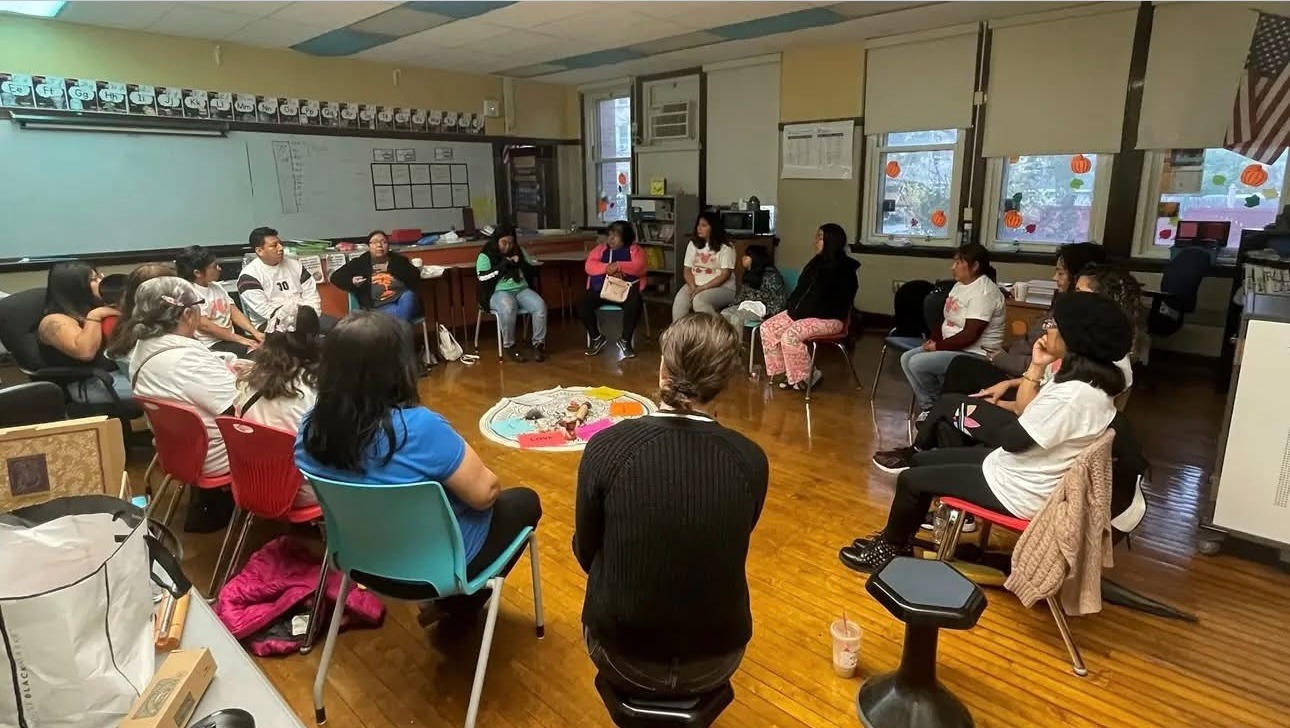
The Kedzie Center continues to operate as one of the most vital mental health hubs in Chicago’s north side. Its mission remains unchanged: to provide accessible, high-quality, and culturally sensitive care that addresses the unique needs of every client. The center offers a wide range of services—from individual therapy to family programs, from support groups to crisis intervention. All activities are aimed at strengthening the community and developing sustainable tools for mental well-being.
The center’s key service is psychotherapy and counseling, offered in the form of individual, family, or group sessions. The center serves children, adolescents, and adults, providing support for emotional difficulties, grief, stress, conflict, life transitions, relationship issues, trauma, and other crises. Therapy can be short-term for solving a specific problem or long-term when a deeper exploration of internal or interpersonal processes is needed. The format and duration are determined individually, in collaboration with the therapist. Services are provided in English and Spanish.
When necessary, The Kedzie Center offers psychiatric evaluation, consultation, and intervention as part of comprehensive treatment. These services are integrated into therapeutic plans and may require concurrent psychotherapy. This combined, “clinical-psychiatric” approach helps those who need a deep, sustained, and multimodal approach to mental health.
At The Kedzie Center, there is an understanding that mental health is often intertwined with social circumstances—such as housing insecurity, childcare challenges, or economic and cultural pressures. Therefore, the center helps patients navigate available resources: housing, social assistance, community services, and family support. This means the center’s specialists not only work on mental states but also help establish a stable living environment, which is often a prerequisite for successful therapy.
The Kedzie Center conducts educational initiatives: training sessions, workshops, informational meetings, support groups, and events to raise awareness about mental health, crisis states, and the effects of trauma, violence, or stress. The center also partners with schools and organizations, conducting lectures and seminars for parents, youth, and educators. It supports efforts to counteract stigma, prevent violence, and develop coping skills and emotional resilience. This helps build a healthier, more informed community and allows people to seek help early—before problems become chronic. The center focuses on individuals with low or unstable incomes, immigrants, and vulnerable groups, giving them a real opportunity to receive professional help without fear of the cost.
The Kedzie Center is a prime example of how professionals and the community can jointly build a life-affirming, accessible, and effective mental health system. Its history is one of collaboration, innovation, and respect for cultural roots. And its work is a daily affirmation that mental health must be a right, not a privilege.
I’ve translated your text into American English, keeping the journalistic style (dynamic, easy-to-read) and ensuring natural flow and grammatical accuracy. The requested H2 headings have been applied, and the text has been adapted for an American audience.