

This woman, known as Leona Woods and Leona Marshall Libby, made a huge contribution to the creation of the first nuclear bomb. Together with a team of famous scientists, Leona developed a nuclear chain reaction that led to the creation of weapons of mass destruction. Discover more about her career and life on chicagoka.com.
Childhood and youth
Leona was born in 1919 on a small farm in La Grange, Illinois. Her parents, Weightstill and Mary Woods, studied at the University of Chicago. The girl’s father received a law degree in 1913. From an early age, Woods showed an interest in sciences. She attended Lyons Township High School and graduated from it at the age of 14. In 1935, the girl entered the college at the University of Chicago. While studying at the higher education institution, Leona participated in various clubs. She loved to play basketball and was elected captain of the freshman women’s team. Woods also became a member of the YMCA student council. As part of this group, she actively participated in many different activities, including organizing freshman tea parties and volunteering in the community. In 1938, at the age of 19, she received a Bachelor of Science degree in chemistry.
Work on Fermi’s team
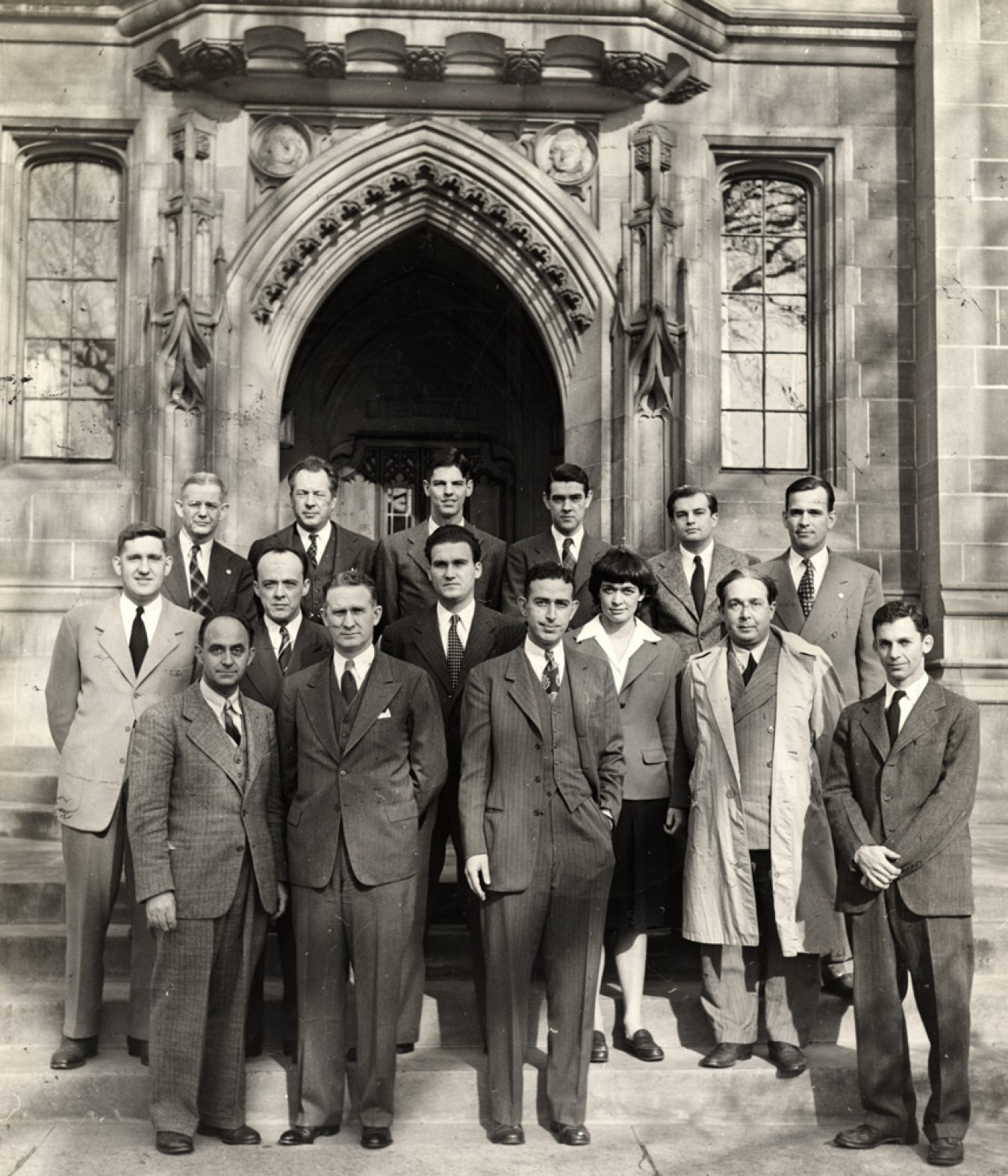
Woods wanted to continue her scientific career. She received a doctorate in philosophy and chemistry from the University of Chicago. As a PhD student, she worked under the supervision of famous chemists Robert Mulliken and Stanisław Mrozowski. In 1942, after defending her thesis on the spectroscopy of silicon oxide molecules, Leona became a member of the team of chemist Enrico Fermi. It is important to note that Fermi’s group was engaged in atomic research known as the Manhattan Project. In 1939, as World War II began, the United States and Great Britain started working on the atomic bomb. In 1941, the USA entered the war, devoting more attention and financial resources to atomic research, far ahead of the British. Many prominent institutions and scientists throughout the United States worked on the projects. Laboratories were located in many places, including Illinois, Washington and Tennessee.
Fermi and his team, including Woods, conducted experiments to determine how to cause a self-sustaining nuclear chain reaction. This was the main key to understanding how to create an atomic bomb.
As part of their work in Chicago, Leona developed a boron trifluoride counter that showed neutron activity very quickly. This was very important for a nuclear chain reaction. Working in secrecy in an abandoned municipal stadium at the University of Chicago, the team created the Chicago Pile-1 (CP-1). It was 20 feet high and 25 feet wide. It consisted of 57 layers of material, containing 380 tons of graphite and 50 tons of tubular alloy oxide. The experiment was conducted to determine whether nuclear pressure could be created using these materials. It is important to note that Woods was the only woman present at the stadium. She was not allowed to work with the graphite blocks but helped calibrate the detectors by measuring the cross-section of neurons using radium-beryllium and manganese foil.
Discovery of the nuclear reaction
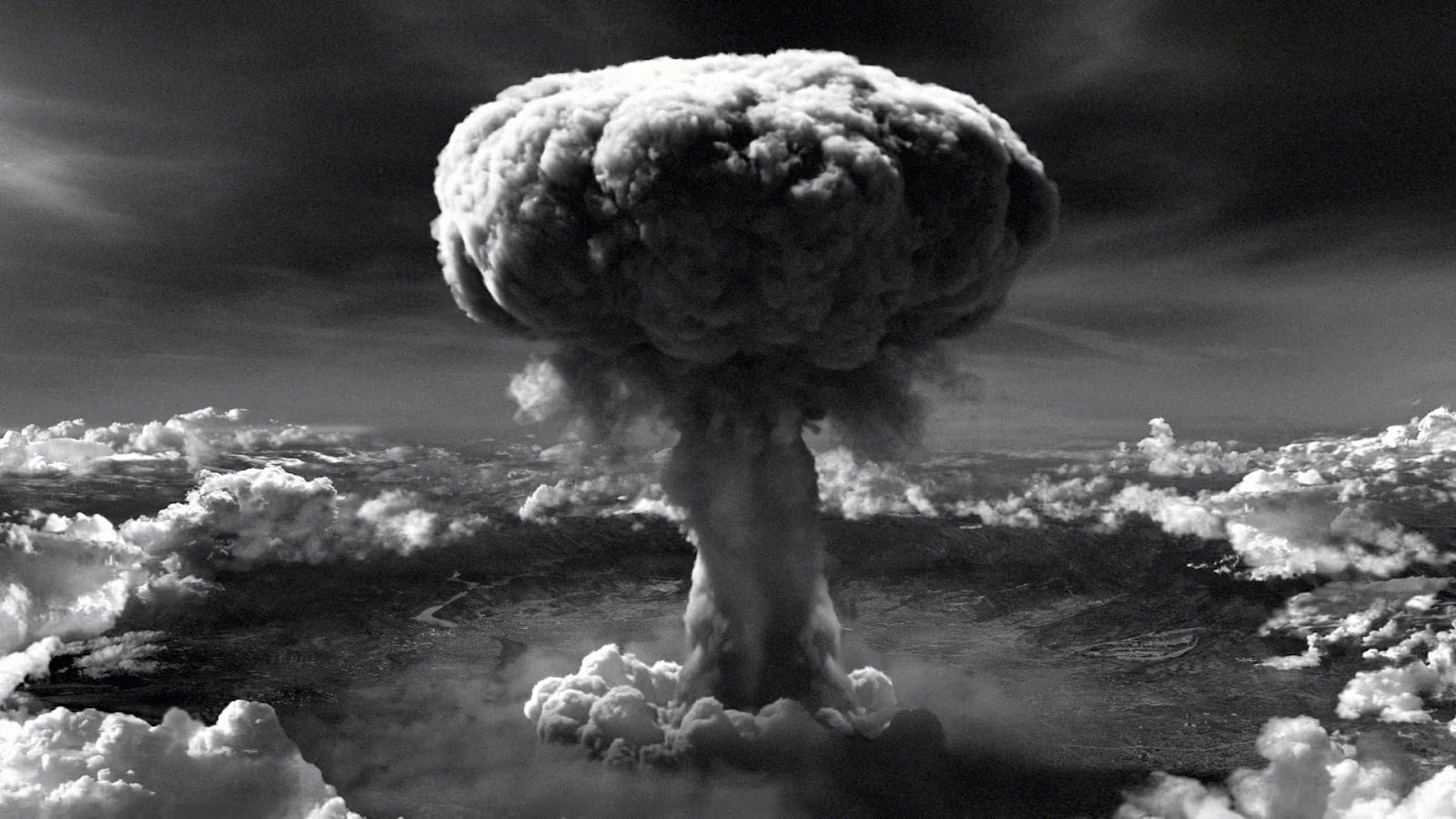
In the winter of 1942, Fermi’s team tested a hypothesis and achieved a colossal success. The first step towards creating a nuclear bomb was made. The experiment was performed by 42 scientists. At the age of 32, Woods became the first and only woman to witness this event. She measured the level of neutron activity during the experiment.
Part of the process of creating nuclear bombs was the accumulation of plutonium and uranium, which caused the nuclear reaction to occur. During the war, 3 atomic bombs were created: one from uranium and two from plutonium. A special plant was built in Hanford, Washington to process the latter. During World War II, Leona began working at Hanford, helping to consolidate the supply of plutonium. The material obtained there was used to create the second nuclear bomb. It was dropped on Nagasaki on August 9, 1945. The war ended a few days later.
In 1943, Woods married fellow physicist John Marshall, after Fermi’s team moved to the Argonne National Laboratory. She got pregnant but hid her condition from her colleagues, wearing loose clothing and arriving at work much earlier than usual so that others would not notice her morning sickness. In 1944, Leona gave birth to her son, Peter. She returned to work a few days after this.
In 1946, together with her husband, she moved to the nuclear facility in Hanford and joined the laboratory team. It worked on the start-up of the first reactor. Valuing her work, Leona left her small son with her mother. The woman had a very difficult time, as she had to work in shifts. Marshall tried to work on the same shift as her husband. In the fall of 1944, the reactor went into critical mode. After a few hours, the power dropped sharply. Then, it stopped completely. At first, Marshall thought that this happened due to a water leak. However, the operators managed to turn it on for the night, but it turned off again after a few hours.
Once, Leona was asked about her participation in the program to create atomic weapons and drop bombs on Japan. She replied that these actions were necessary. The woman also said that if nuclear weapons had not been involved, numerous allies could have died. Marshall emphasized the fears of the scientific community that Germany would learn how to create a nuclear bomb first.
Scientific activities
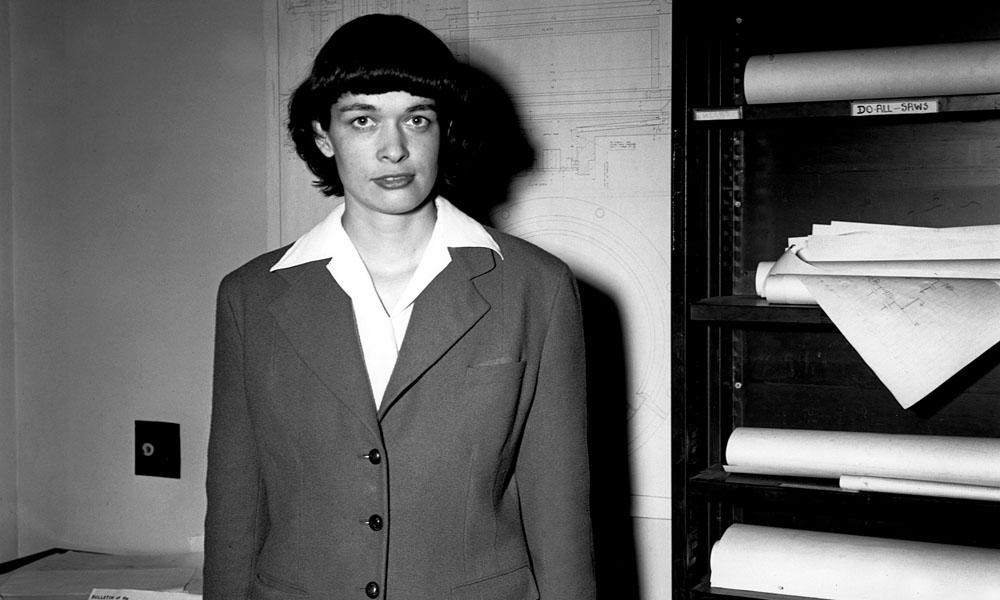
When World War II ended, the Marshall family returned to the University of Chicago. Leona continued her work at the Institute for Nuclear Studies under the direction of Fermi. In 1949, she gave birth to a second son. In 1954, the woman’s marriage broke up. Leona and her ex-husband were officially divorced in 1955. She soon married Willard Libby. Having survived the troubles and difficulties, Woods moved to the Institute for Advanced Study in Princeton and to the Brookhaven National Laboratory. The Fermi team regularly held meetings at the University of Chicago and celebrated their great achievements in the field of nuclear research. For her great contribution, Libby was recognized by Mademoiselle magazine in 1946. She was named one of the best women of the year.
Last years of life
Libby continued her work in the field of chemistry, receiving numerous fellowships at the Institute for Nuclear Studies at the University of Chicago. In 1962, she was appointed professor at New York University. She transferred to the physics department at the University of Colorado later. Libby’s last scientific position was at the University of California, as professor of environmental studies and engineering. During this period, the scientist was engaged in developing new methods for studying annual changes in temperature and precipitation using the isotropic ratio of oxygen and carbon. In 1986, Leona Libby died of a stroke, leaving behind a large legacy.