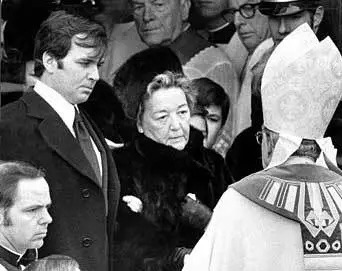

The history of Chicago is inextricably linked with the Daley name—one of the city’s most influential political dynasties. But behind the figures of mayors, aldermen, and politicians stood a woman who never sought power but embodied its deepest essence: moral strength, family devotion, and humanity. Eleanor Daley—wife of the legendary Mayor Richard J. Daley, mother of seven, and the woman considered the unofficial matriarch of Chicago. She left her mark on the city’s life not through political speeches, but through her unwavering dignity, honesty, and strength of character. More at chicagoka.com.
Biography
Eleanor Guilfoyle was born in 1907 on the South Side of Chicago—a place where the life of the Irish community pulsed. She grew up in a large Catholic family that valued hard work and mutual support. Her father, Patrick Guilfoyle, worked as an insurance agent, and her mother, Nora McAuliffe, managed the home and raised the children. It was in this atmosphere of simplicity, faith, and family closeness that her character was formed—calm, yet steadfast.
After graduating from Saint Mary High School, a Catholic school, Eleanor worked as a secretary at a local company. It was then she met her future husband, Richard J. Daley. They were introduced by Eleanor’s brother, Lloyd, who was friends with Richard. The couple’s first date was at a Chicago White Sox baseball game—a symbolic beginning for a future family that would become part of the city’s legend. They dated for six years while Richard finished law school. On June 17, 1936, they were married. The newlyweds settled in a modest brick bungalow on South Lowe Street—not far from where they both grew up. This house remained the center of their family life even after her husband became the mayor of the metropolis.
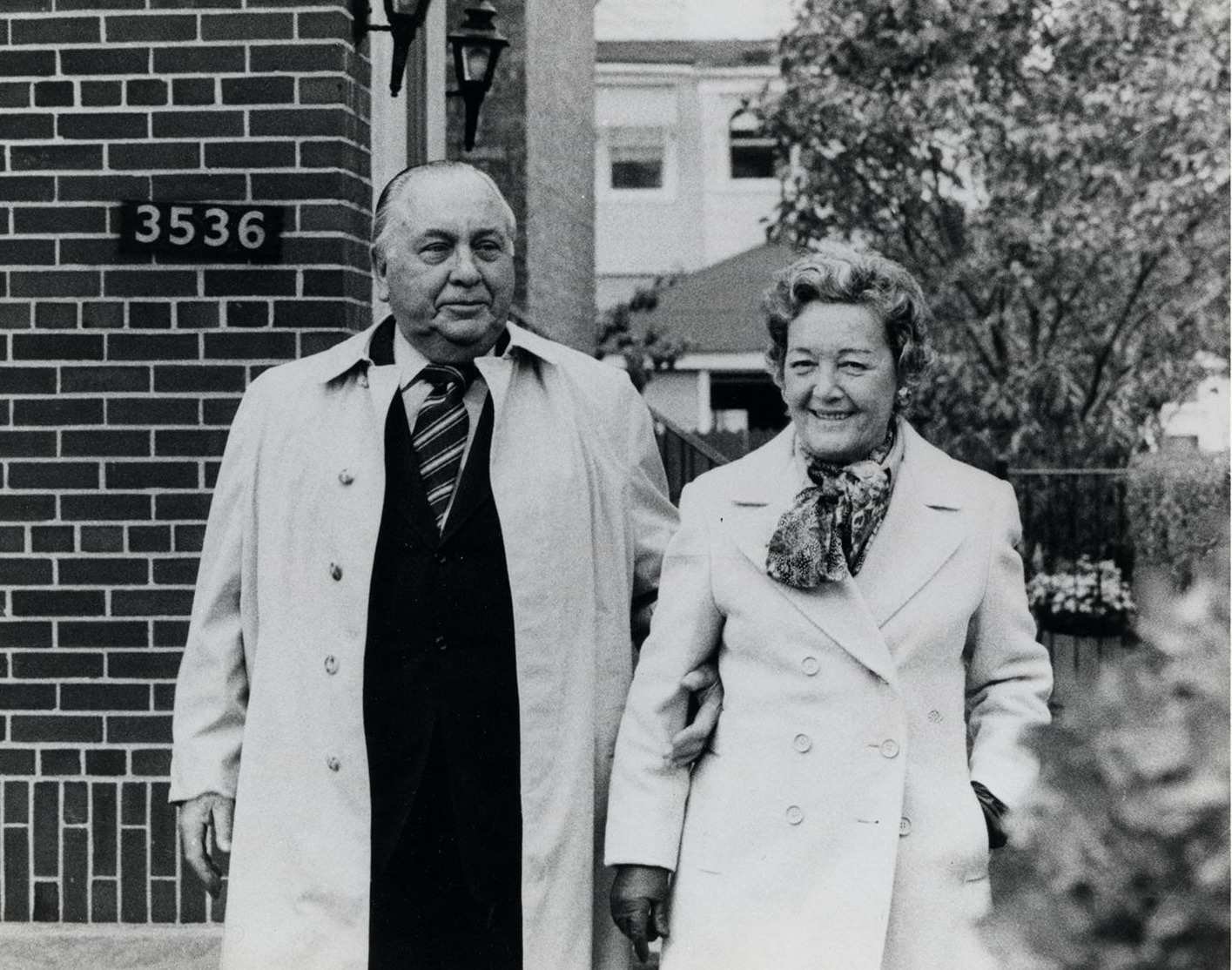
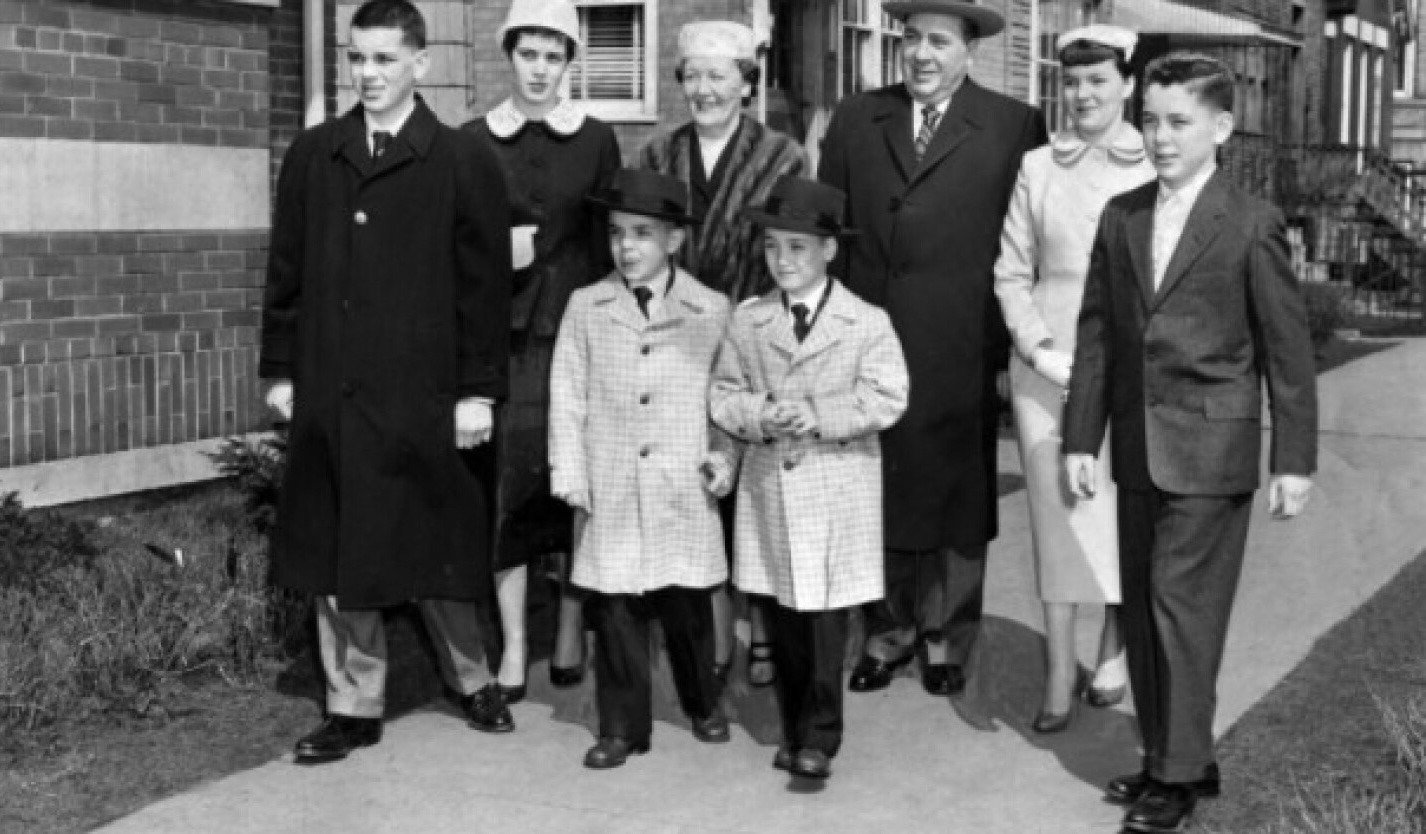
A Mother of Seven
Eleanor and Richard Daley had seven children—three daughters and four sons. She raised them with modesty, faith, and responsibility, despite the glare of her husband’s political success. Her eldest son, Richard M. Daley, would later lead the city, continuing his father’s work and serving as mayor for over 20 years. Her youngest son, William M. Daley, built a career in the federal government, serving as U.S. Secretary of Commerce (1997–2000) and White House Chief of Staff (2011–2012). Another son, John P. Daley, became a member of the Cook County Board of Commissioners.
Eleanor’s daughters—Nora, Patricia, and Catherine—supported civic and community initiatives, actively participating in charitable projects and educational programs. They also served as a moral backbone for their brothers and an example of family devotion. All of Eleanor Daley’s children possess a high sense of responsibility and a dedication to society. Regardless of their professional paths, their actions always reflected the principles their mother instilled from childhood: honesty, compassion, and a desire to improve community life. They all acknowledged that their mother was the family’s true moral compass. Her poise and deep understanding of people shaped a home atmosphere where even the most ambitious politicians felt simply like children. It is thanks to this legacy that the Daley family left an indelible mark on Chicago’s history, and Eleanor’s influence continued to be felt through her children and grandchildren.
Eleanor Daley’s grandchildren continue the family tradition, combining political activity with community work and philanthropy. Among them, the children of Richard M. Daley are particularly noted for their active involvement in local initiatives in Chicago. They support educational programs, health projects, and the development of the city’s cultural heritage, demonstrating responsible citizenship. Thanks to her grandchildren, Eleanor Daley’s legacy is not only preserved but transformed into a modern influence on the city. Their activities show that family values remain vital for community development. They act as a bridge between Chicago’s past and present, continuing the work started by their legendary grandmother.
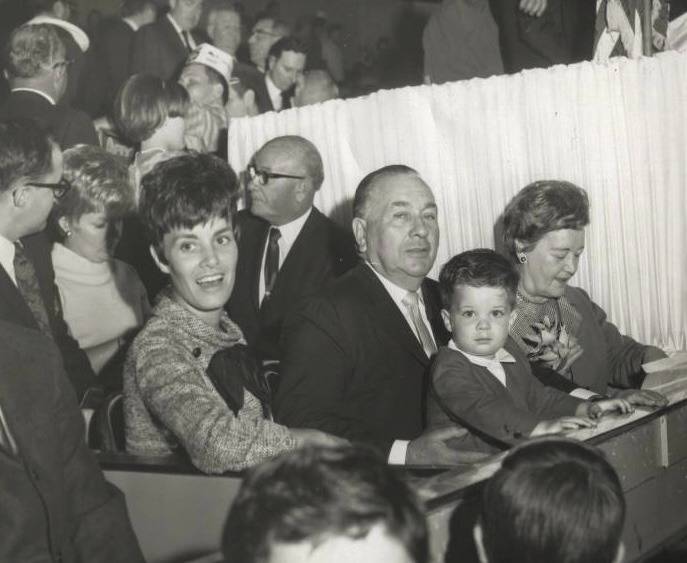
Influence on Chicago Life
Despite her social status, Eleanor Daley almost never intervened in political life. She remained in her husband’s shadow, but her word always carried weight. In 1971, when journalist Mike Royko published his book “Boss,” which portrayed Mayor Daley in an unflattering light, it was Eleanor who publicly criticized the publication. Her outspoken words even led some bookstores to refuse to sell the book. However, her influence extended far beyond her family. In 1972, when the city was considering a proposal to demolish the old Chicago Public Library building to erect an office center, journalists asked Mrs. Daley for her opinion. She calmly replied, “I went to that library as a child. I think tearing it down is not good.” Within days, the city commission unanimously rejected the project.
After her husband’s death in 1976, Eleanor remained an important figure in public life. She came to be known as the “matriarch of Chicago.” When her son was elected mayor, she often attended official events but always remained modest, avoiding excessive attention. She supported numerous charitable initiatives, particularly in education and healthcare. Her presence at events dedicated to the city’s cultural heritage underscored her commitment to Chicago’s development. She paid special attention to supporting youth and women, actively encouraging their involvement in community life. Her initiatives helped create programs that provided opportunities for self-realization and the development of local communities.
Her birthday, March 4, coincided with the anniversary of Chicago’s founding—a symbolic detail that highlighted Eleanor’s connection to the city. She was present at the 1999 dedication of the University of Illinois library named after Richard J. Daley, as well as at events for the centenary of his birth in 2002. Her figure symbolized not just memory, but the continuity of the city’s history.
Remembered by Residents
Eleanor Daley lived a long life filled with care, love, and service to her family. She passed away on February 16, 2003, in her own home in the Bridgeport neighborhood—the same one where her story began. She was 95 years old. Eleanor was buried at Holy Sepulchre Cemetery in Worth, Illinois.
The news of her death brought genuine sorrow to the city. To its residents, she was not just the mayor’s wife, but the personification of how family, dignity, and humanity remain the true foundation of public life. In 2003, after her death, the City of Chicago honored Eleanor Daley’s memory. A series of events were organized dedicated to her life and accomplishments. These events were a testament to the community’s deep respect and gratitude for her contribution to the city’s development. Her story inspires devotion to family, community, and the principles of service, reminding us that true strength lies not just in power, but in the ability to support and inspire others.
Eleanor “Sis” Daley never held political office or gave loud speeches. But her presence formed the moral foundation of an entire era in Chicago’s history. She left behind a legacy measured not by the number of decisions or decrees, but by the number of hearts she touched. In a city where politics was often synonymous with power, she proved that true strength lies in calm, wisdom, and a love for people.