

The name Lawrence Freedman will forever be etched in the history of American psychiatry as a symbol of deep analysis into human behavior, particularly its darker side—aggression, crime, and terrorism. A professor, scientist, and thinker, he dedicated his life to studying how mental processes shape social phenomena and how psychiatry could help understand political violence, murder, and destructive social trends. His work at the intersection of medicine, law, and politics made Freedman one of the 20th century’s leading experts in the psychiatry of violence. More at chicagoka.com.
Biography
Freedman was born in Boston, earning his bachelor’s degree in 1940 and his medical degree in 1944, both from Tufts University. During World War II, he served in the U.S. Navy as a doctor in the medical reserves. It was while caring for wounded American soldiers and German prisoners of war that he began to realize that a person’s psychological state and behavior depend not only on circumstances but also on the internal structures of their personality.
In a 1975 reflection, Freedman noted that “personality precedes the illness, and it is personality which explains why some men break and others endure.” This discovery became the starting point of his career. After the war, he began his psychiatry residency at Yale Medical School, and in 1949, he joined the faculty at Yale University, where he developed an interdisciplinary approach to psychiatry. In 1961, he joined the University of Chicago, where he continued his work on the problems of violence, terrorism, and political assassinations. His colleagues recalled that Freedman was “a philosopher of broad values, not just a technician.” He always sought to view violence not just as a clinical phenomenon, but as a manifestation of deep-seated social processes—fear, isolation, and the need for recognition.
At the Nexus of Psychiatry and Law
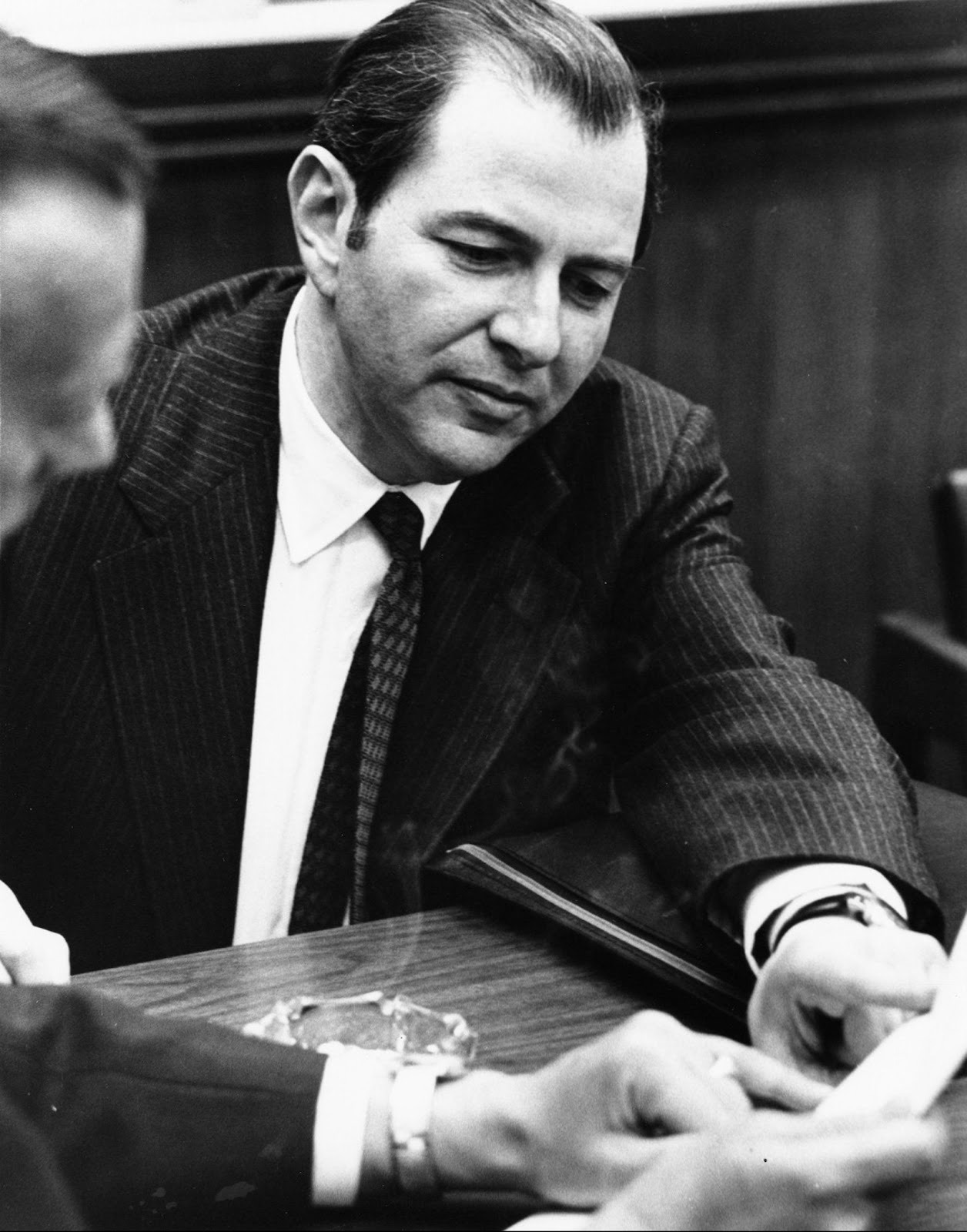
One of the key focuses of Lawrence Freedman’s scientific work was the relationship between mental disorders and criminal responsibility. Together with the renowned legal scholar Harold Lasswell, he developed the concept of the “psychiatric expert witness” and wrote the book “Law, Conformity and Psychiatry,” which became a foundational text for lawyers and medical professionals.
Freedman was instrumental in the creation of the Model Penal Code, a document adopted by the American Law Institute in 1962. This code changed the approach to the insanity defense, introducing the modern understanding of the limits of criminal responsibility for people with mental impairments.
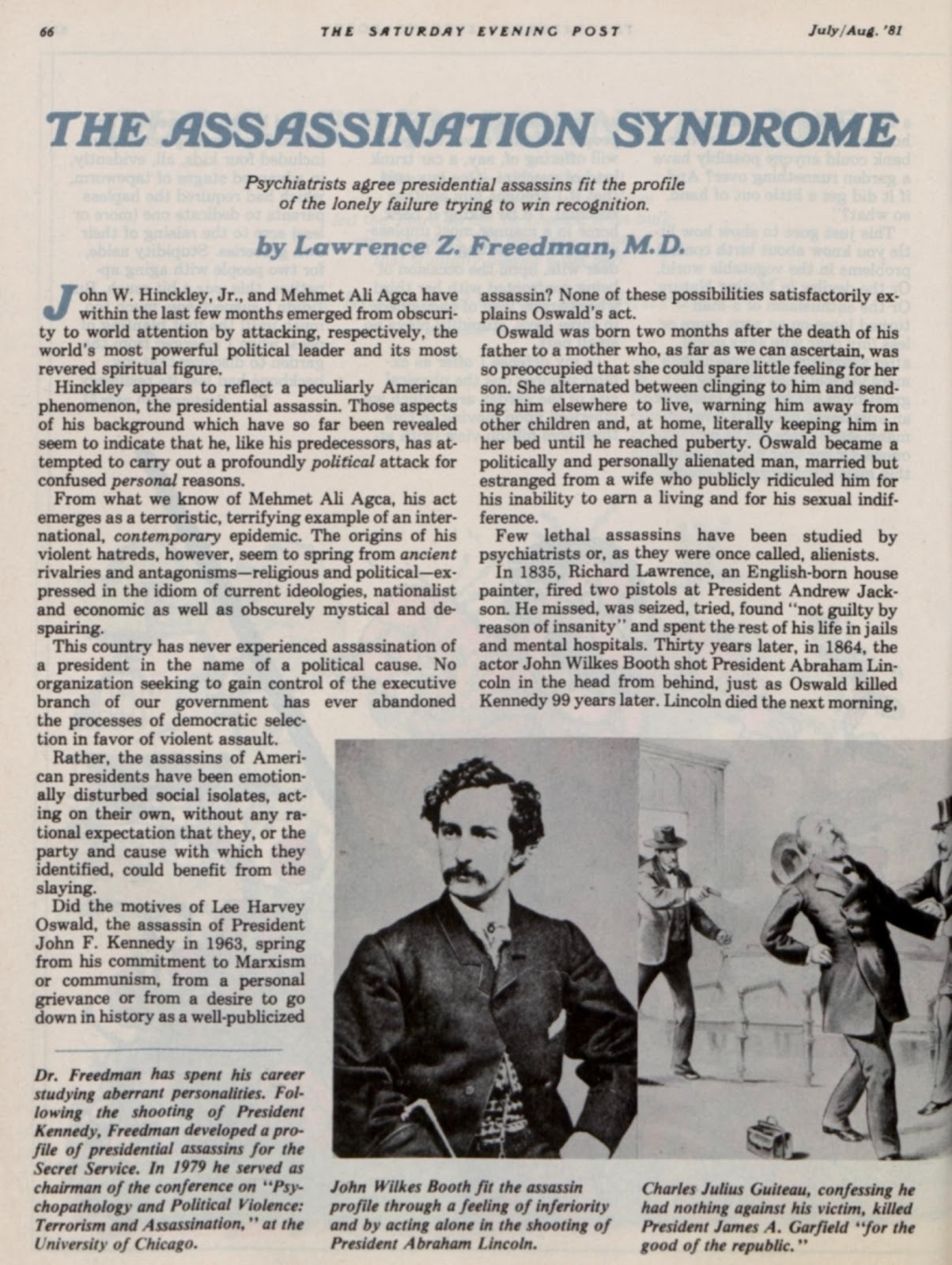
The public first became widely aware of Lawrence Freedman’s name after the tragic assassination of President John F. Kennedy. It was then, in 1963, that he created a psychological profile of potential presidential assassins for the U.S. Secret Service. His research revealed that political assassins differ significantly from “ordinary” criminals. This discovery was key to understanding the psychology of fanatics and terrorists. In his view, such individuals experience a distorted identification with the idea of a “messiah”—they see their actions as part of a divine or social duty. His research showed that these criminals often share common traits: feelings of social isolation, a lack of self-esteem, a deep sense of injustice, and a desire to blame the system for their own failures.
Research on Serial Killers
In the 1960s, Freedman expanded his research to study the psychology of serial killers. His approach combined psychoanalysis with behavioral observations, which allowed for an understanding of the complex mechanisms of aggression and the loss of empathy. In the 1970s, he was one of the first to speak about the psychiatric aspects of terrorism, viewing it not just as a political phenomenon but as a form of collective psychopathology.
Back in the 1950s and 1960s, Freedman was among the leading scholars who helped shape the modern understanding of legal responsibility in cases of mental disorders. As a member of the Criminal Law Advisory Committee for the Model Penal Code, he contributed to developing legal standards that defined the criteria for insanity. His work influenced the U.S. criminal justice system, as many states later adopted these principles into their own codes. Freedman believed that a psychiatrist’s job was not to decide if a defendant was guilty or not. Their role was to explain to the court how the person’s mind was working at the time of the crime. This vision became the foundation of the modern approach to expert testimony in forensic psychiatry.
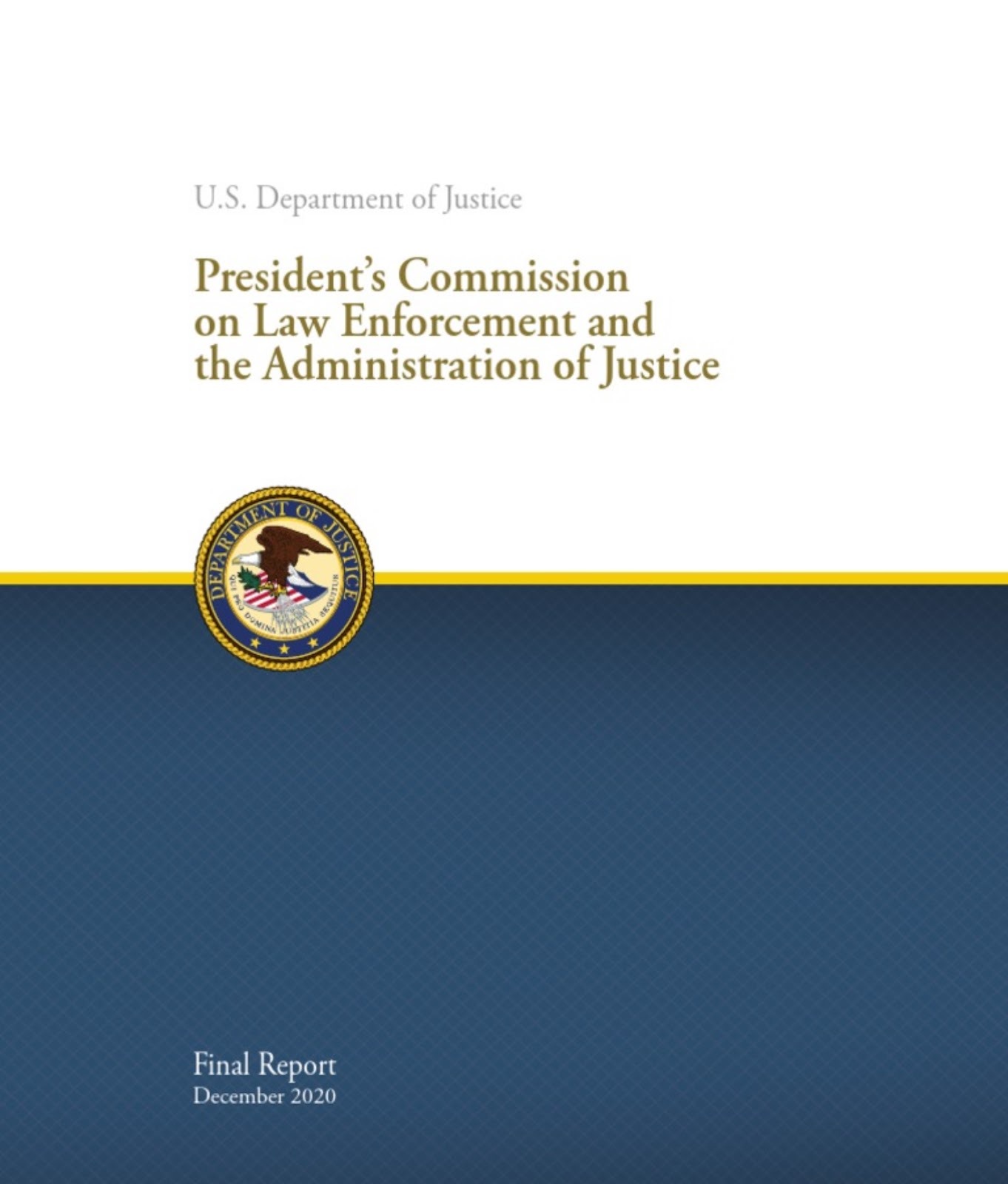
While working on the National Commission on the Causes and Prevention of Violence, established by President Lyndon B. Johnson, Freedman studied how social changes, media, and technology shape new types of aggression. His conclusions were ahead of their time—he warned that future wars would not be fought between states, but between ethnic and religious groups using terror as a tool of conflict.
One of the most famous moments in Freedman’s career was his participation in the trial of John Wayne Gacy, the serial killer who took the lives of 33 young men. In 1980, Freedman testified as an expert for the defense, analyzing the defendant’s mental state. He described Gacy as “one of the most complex personalities I have ever had to work with.” He also noted that Gacy could talk about the murders as calmly “as if he were describing drinking a glass of water.” His conclusions became the subject of intense debate in scientific and legal circles, and the Gacy case later entered criminal psychology textbooks as an example of the line between pathology and responsibility.
Scientific Legacy
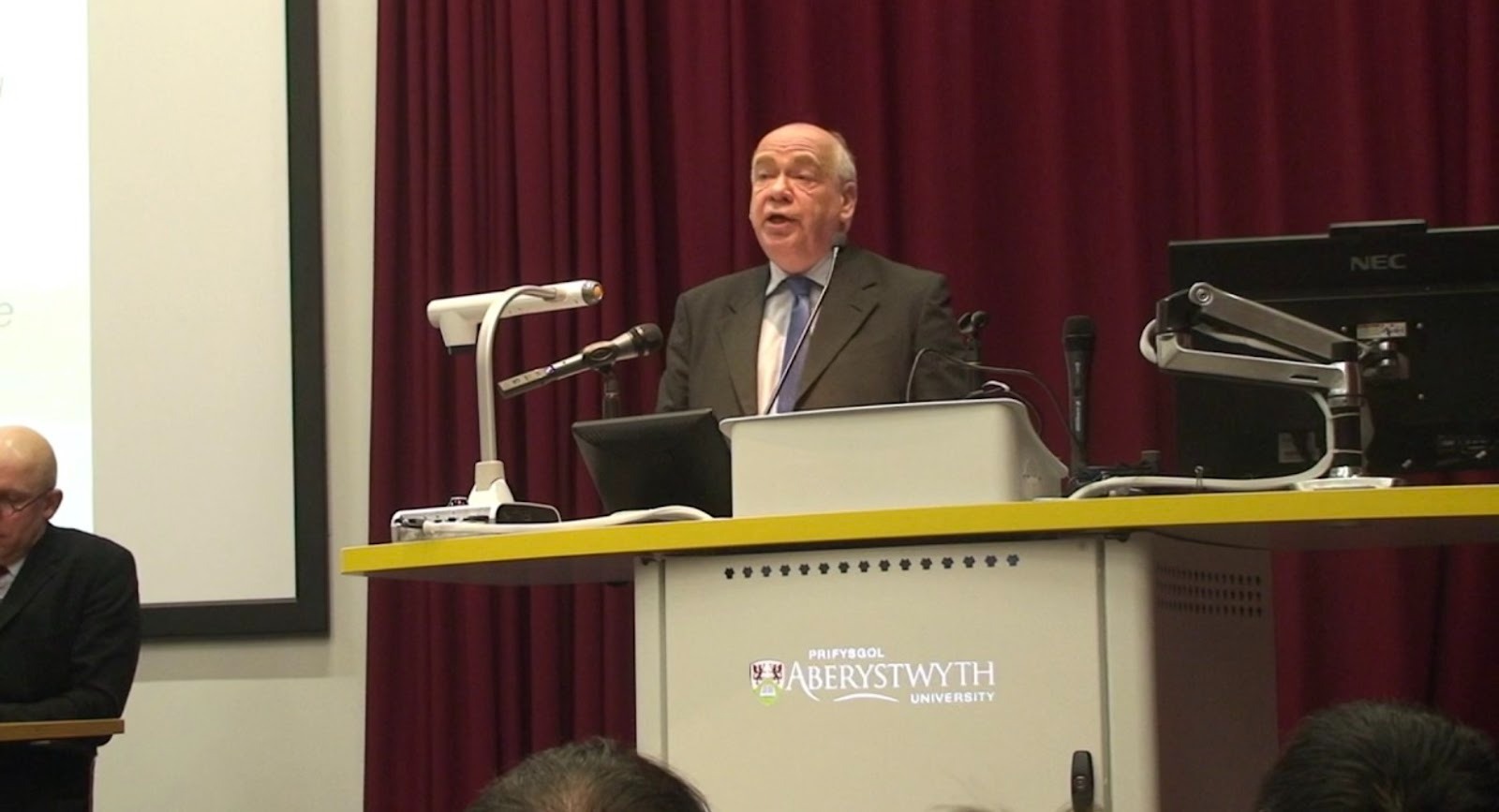
Freedman was known not only as a theorist but also as a person of great human warmth. Colleagues described him as an attentive listener, capable of helping a colleague develop an idea and see a problem from a new angle. His approach to psychiatry was based on the biopsychosocial model, which viewed the person holistically—as a biological creature, a social personality, and the carrier of an individual history.
His students and researchers noted that Freedman was not afraid to go beyond the bounds of traditional medicine—he studied the effects of television on children, promoted natural childbirth, analyzed political behavior, and examined the media’s role in creating the image of violence.
Even after retiring, Freedman never stopped analyzing social processes. He was deeply affected by the terrorist attacks of September 11, 2001, as he had predicted the transition of violence into the form of global terror decades earlier.
Lawrence Freedman passed away at his home in Hyde Park on October 6, at the age of 85. He was buried on October 10, and the university community prepared a memorial ceremony in his honor. His former wife, Dorothy, and his five children continue to cherish his memory.
Dr. Lawrence Z. Freedman was not just a psychiatrist—he became a man who taught the world to look at crime, violence, and human consciousness in a new way. His life, dedicated to analyzing the psychology of murderers, terrorists, and political fanatics, marked a new era in forensic psychiatry. He was one of those who proved that the study of the human mind is, at the same time, a path to truth, justice, and humanity.