

Her life is a story of courage, resilience, and faith in justice, even during a time when being an African American woman meant facing double discrimination. Mary Jane Richardson Jones is an example of how one person can change the course of history. Her struggle and legacy remain relevant in the 21st century, reminding us of the importance of solidarity, activism, and the courage to confront injustice. In this article, we will explore Mary Jane’s life and her contributions to the fight for equality and rights. Also, learn about Leona Woods, the “mother” of the atomic bomb. Read more at chicagoka.
Biography
Mary Jane Richardson was born in Memphis, Tennessee, to a family of free African Americans—a rarity in the slave-holding South. Her parents were part of the small group of Black Americans who, despite oppression and discrimination, had managed to secure their freedom and pass it on to their children. From a young age, Mary Jane learned to value education, hard work, dignity, and mutual support. In the 1830s, the family moved to Alton, Illinois, seeking better opportunities in a safer environment, away from the laws of the slave states. It was there that Mary Jane continued to shape her views on justice, freedom, and human rights.
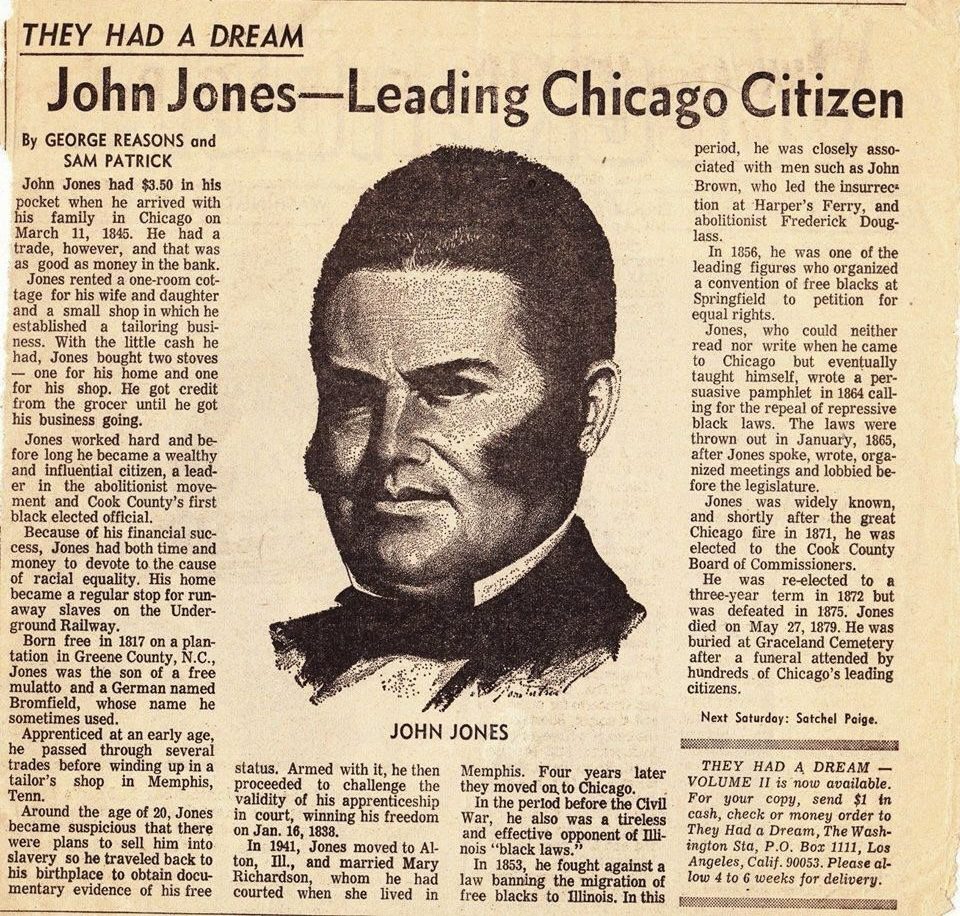
In 1841, around the age of 22, Mary Jane married John Jones, a young, free African American who would later become one of Chicago’s wealthiest and most influential Black citizens. This marriage was not just a union of two people but a partnership built on shared values and a drive for change. In 1845, the couple made the pivotal decision to move to Chicago, which at the time was a small but rapidly growing city in the North. John Jones started his tailoring business, and Mary Jane became an active member of the community. They were among the first African American residents of Chicago and quickly established themselves as leaders. Their home became a center for meetings, discussions, and assistance for those needing protection and support. The move to Chicago opened new horizons for Mary Jane; the growing city needed new leaders, and she was ready to become one of them. Her journey was just beginning, but it was already clear that this woman would become a vital voice in the fight for freedom, equality, and rights for all.
Abolitionism
In the mid-19th century, Chicago was not only a center of economic growth but also an arena for the fight to abolish slavery and secure the rights of African Americans. Mary Jane Richardson Jones and her husband, John Jones, became two of the most active participants in the city’s abolitionist movement. They understood that the fight against slavery was not just a concern for the southern states but a national issue that demanded bold action and solidarity. Their home on Chicago Avenue became a crucial safe house on the path to freedom. It served as one of the most important stations on the Underground Railroad, a secret network that helped enslaved people escape from the South to the North or to Canada. The Jones family provided shelter to those fleeing persecution, offering them food, clothing, protection, and help in arranging the next leg of their journey to safety. Their courage and willingness to risk their own safety for others set an example for the entire community. Mary Jane not only welcomed freedom seekers but also actively coordinated aid, found allies among other activists, and personally supported many during the most difficult moments of their journey.
Additionally, the Joneses had a significant influence on the religious life of Chicago’s African American community. They were among the founders of the Olivet Baptist Church—the second-oldest African American church in the city—which became not only a spiritual center but also a social hub. The church was a place where African Americans could find support, discuss issues of discrimination, organize mutual aid, and join the human rights movement. The work of Mary Jane and John Jones in abolitionism and the Underground Railroad was vital not only for individual escapees but also for fostering a strong, united African American community in Chicago that learned to stand up for its rights and fight for freedom.
Community Activism
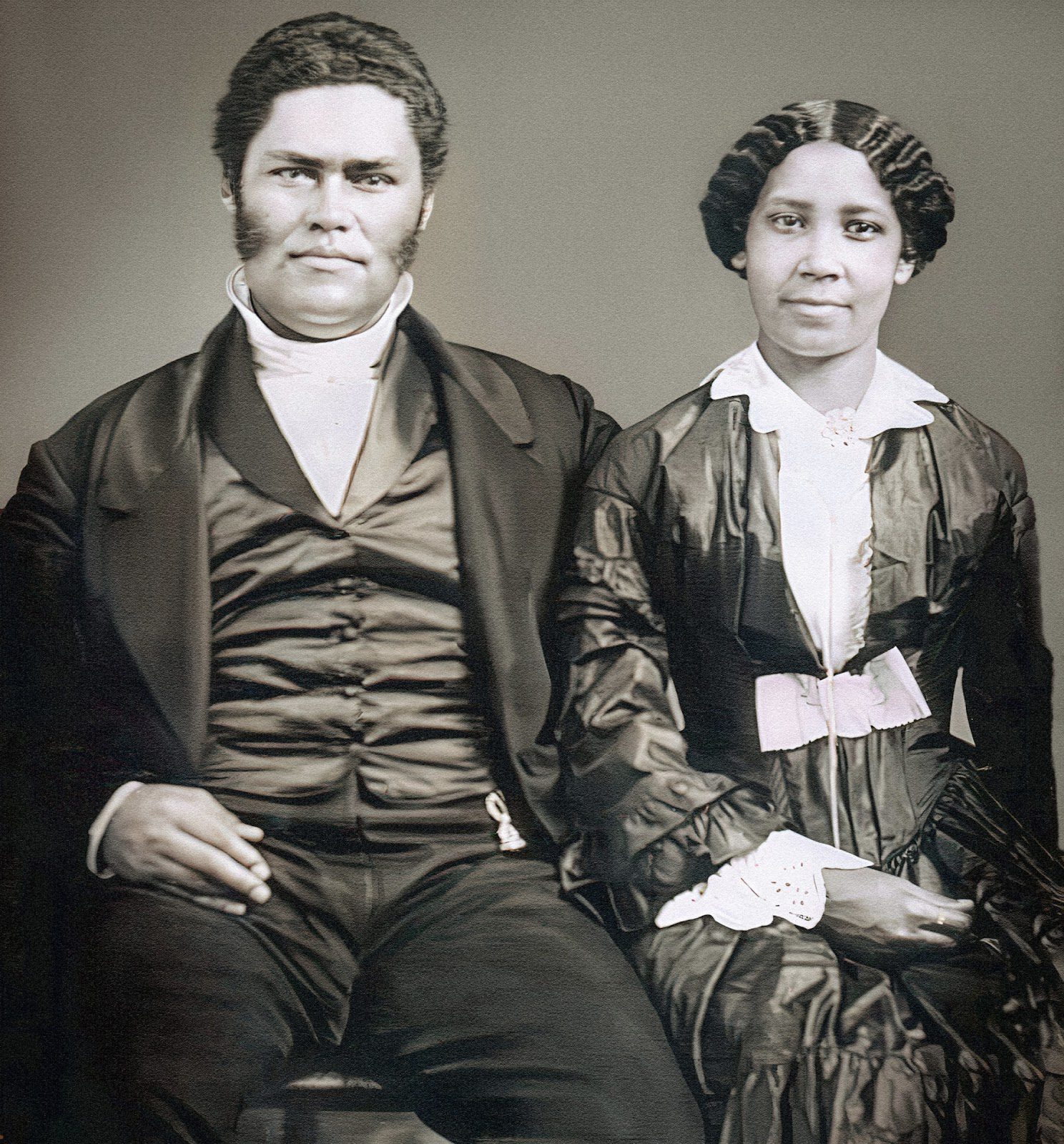
After John Jones’s death in 1879, Mary Jane not only continued her active role in Chicago’s civic life but also became an even more influential figure in the fight for equal rights. Her home remained a hub for meetings, discussions, and planning new initiatives, and it was there that ideas helping the women’s suffrage movement gain momentum within the African American community took shape.
Mary Jane was one of the first African American women to openly advocate for women’s right to vote. Her voice was heard at a time when even some suffragists were hesitant to fully include African American women in their movement. Mary Jane organized meetings in her home with leading suffragists like Susan B. Anthony, Elizabeth Cady Stanton, Lucy Stone, and Carrie Chapman Catt. These gatherings did more than just unite different factions of the suffrage movement; they created a platform for dialogue on how to achieve equal rights for all women, regardless of their race or social standing.
Mary Jane paid special attention to mobilizing the African American community in Chicago. She encouraged women to participate in petition campaigns, assemblies, and rallies, and she emphasized the importance of education and financial independence as cornerstones of political influence. Her activism inspired many women in the North, and her experience became a model for younger generations of activists.
In addition to her work in the suffrage movement, Mary Jane continued to support numerous charitable initiatives. She assisted those in need, supported widows and orphans, organized fundraisers for schools and hospitals, and remained an influential figure in Chicago’s Baptist community. Her life became a shining example of how one person could champion multiple causes at once: the fight for freedom, for education, for the right to vote, and for a dignified life for all. Mary Jane Richardson Jones laid the groundwork for Black women to claim their place in the nation’s political life and become active participants in the movement for change.
Honoring Her Memory
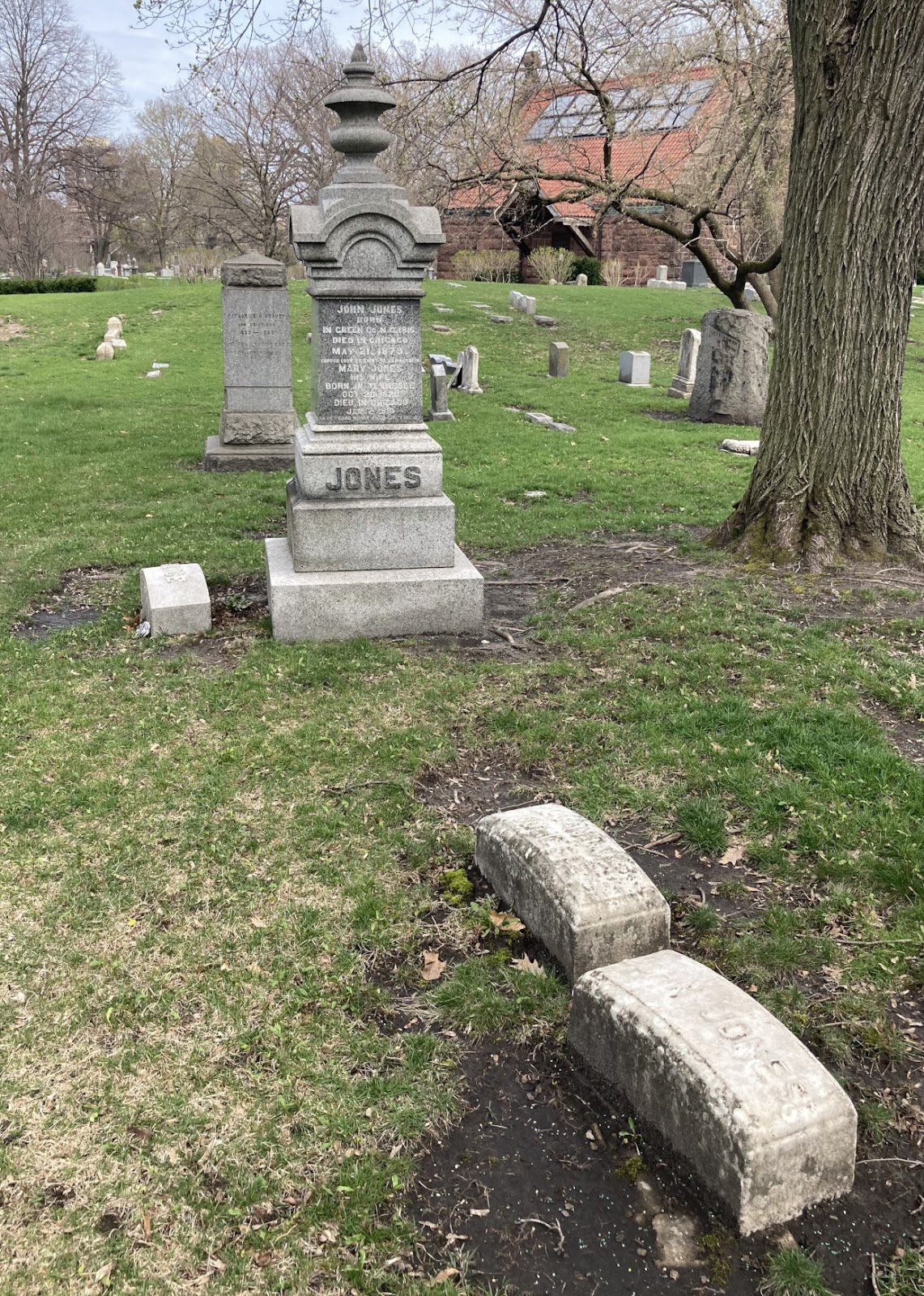
Mary Jane Richardson Jones passed away in Chicago in 1909, leaving a profound mark on the history of the city and the entire nation. Her life was dedicated to the fight for justice, equality, and freedom for African Americans and women. She became a symbol of resilience, courage, and the belief that change is possible even when the entire system seems to be against you. Although Mary Jane’s name long remained lesser-known outside of Chicago, historians, activists, and researchers increasingly recognize her significant contributions to the abolitionist movement, the Underground Railroad, suffrage, and community activism.
In 2005, a park named in honor of Mary Jane Richardson Jones was opened in Chicago, serving as a public acknowledgment of her contributions to the city’s and the country’s history. This park is not just a green space but a symbol honoring her legacy and a reminder of the importance of defending human rights.
Her name also appears in numerous historical studies, educational programs, and community initiatives aimed at preserving the memory of women who fought for freedom and equality. Museums in Chicago feature exhibits dedicated to the work of Mary Jane and John Jones, commemorating their role in shaping the city into a center for the African American civil rights struggle.
Also, learn about the struggle for the rights and freedom of African Americans in Chicago.