

She is one of the most vibrant figures in American literature, a writer who has redefined the role of the female voice and the culture of the Latino diaspora in the United States. Her work opens a door into the Mexican-American experience, revealing a life lived between two cultures, with all its joys, pain, struggles, and hopes. Also, learn about Mae Jemison, the courageous woman who explored the vastness of space. Read more at chicagoka.
Biography
Cisneros was born on December 20, 1954, in Chicago to a family of Mexican immigrants. Her father, Alfredo Cisneros de Moreno, was from Mexico, and her mother, Elvira Cordero Anguiano, was a Mexican-American. The family lived in a low-income neighborhood, and Sandra’s childhood was marked by constant moves between Chicago and Mexico City. These journeys shaped her as a person and a future writer, developing in her a keen awareness of contrasts—between rich and poor, “American” and “Mexican,” and the cultural values of both worlds. Sandra was the only daughter among seven children, a fact that significantly influenced her worldview. From a young age, she felt the difficulty of being a woman in a patriarchal society, especially within Latino culture. This experience gave her a deep understanding of themes that would become central to her work: the female experience, the struggle for independence, loneliness, and the search for one’s own identity and voice. Many of Cisneros’s heroines are women striving to break free from traditional roles and find themselves in a world that often tries to silence them. Sandra herself has said she felt like a “chimera”—not fully American, not fully Mexican, not fully part of her family, and not fully a free individual. This “in-between” existence fueled her desire to write as a means of self-discovery and resistance.
Her childhood memories, family stories, feelings of exclusion, and search for her own space became the wellspring of inspiration for her most famous works, particularly the novel “The House on Mango Street,” where the central theme is the formation of female identity and the search for a home—not just as a physical place, but as a symbol of belonging and inner freedom.
Cisneros is a relatively private person and does not often share details of her personal life in public interviews. She has famously chosen not to marry or have children, dedicating her life to her craft. This decision has further informed her reflections on womanhood, family relationships, and the role of women in both traditional and contemporary society.
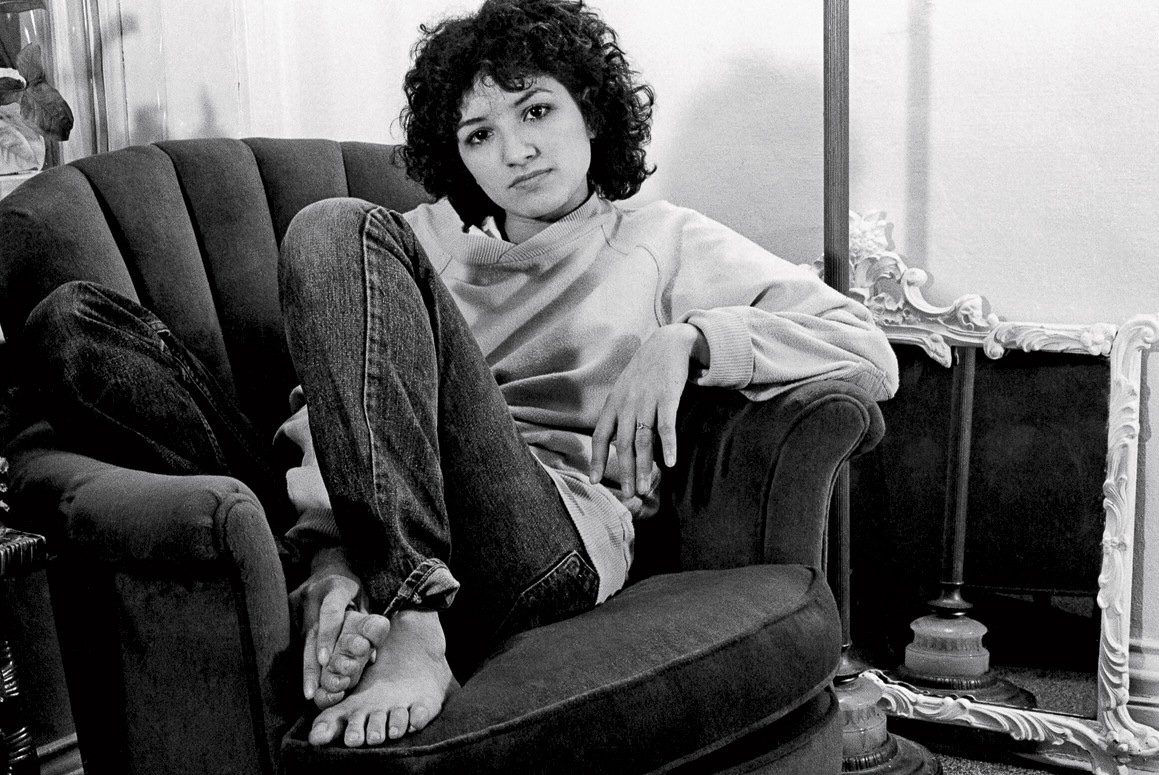
The House on Mango Street
Sandra Cisneros’s most famous work, the novel “The House on Mango Street,” was a true literary breakthrough. Written as a series of short, poetic vignettes, the novel tells the story of a young Latina girl, Esperanza Cordero, growing up in a poor, diverse neighborhood in Chicago. Through Esperanza’s innocent yet perceptive eyes, the author explores complex themes of identity, culture, economic hardship, and social pressure. Cisneros skillfully shows how society places limitations on girls and women, often denying them the right to their own destiny and choices. Esperanza, like many characters in the book, dreams of a better house and a better life but must confront discrimination, sexism, violence, and poverty. The novel not only depicts daily struggles but also raises questions about the inner strength and hope that help overcome obstacles.
Cisneros’s style is a poetic prose filled with symbolism and vivid imagery, making for an emotional and profound reading experience. She gives a voice to those who are often overlooked—marginalized women of the Latina diaspora and people living on the edge of poverty and social invisibility. The book received acclaim not only from literary critics but also from readers worldwide. It has been translated into over 20 languages and has become a classic of contemporary American literature. Many schools across the U.S. have included “The House on Mango Street” in their curricula, as it helps students better understand issues of cultural identity, equality, and social justice.

Literary Activist
Sandra Cisneros is not only a talented writer but also an active cultural figure and literary activist who has worked tirelessly to create a space where women’s voices, especially those from the Latino community, can be heard. She was one of the first to openly address the challenges faced by marginalized immigrant women in the U.S., shattering stereotypes about American literature as a monolithic space. Through her writing and public activities, Cisneros proved that stories about identity, cultural heritage, and the experiences of Latina women hold not just artistic but also social significance.
She has actively organized workshops, master classes, and literary readings to foster the development of young writers from underrepresented cultural and social backgrounds. With her guidance and support, Cisneros has inspired a new generation of authors not to shy away from difficult topics like feminism, discrimination, racism, and class inequality. Sandra’s work is dominated by themes of a woman’s right to self-expression, the struggle for identity, and cultural recognition. She writes about women who seek to break free from the chains of patriarchy and societal constraints to find their own path to freedom. Her poetry, essays, and novels are often filled with pain, but also with hope, compelling readers to reflect on deep-seated societal issues and the role of women within them.
Cisneros also advocates for the preservation of the cultural heritage and language of Latino communities in the U.S., emphasizing the importance of memory and roots in shaping one’s identity. She believes that literature can be a powerful tool for social change, and that it is through the voices of writers that the truth about injustice can be told, inspiring the fight for equality.
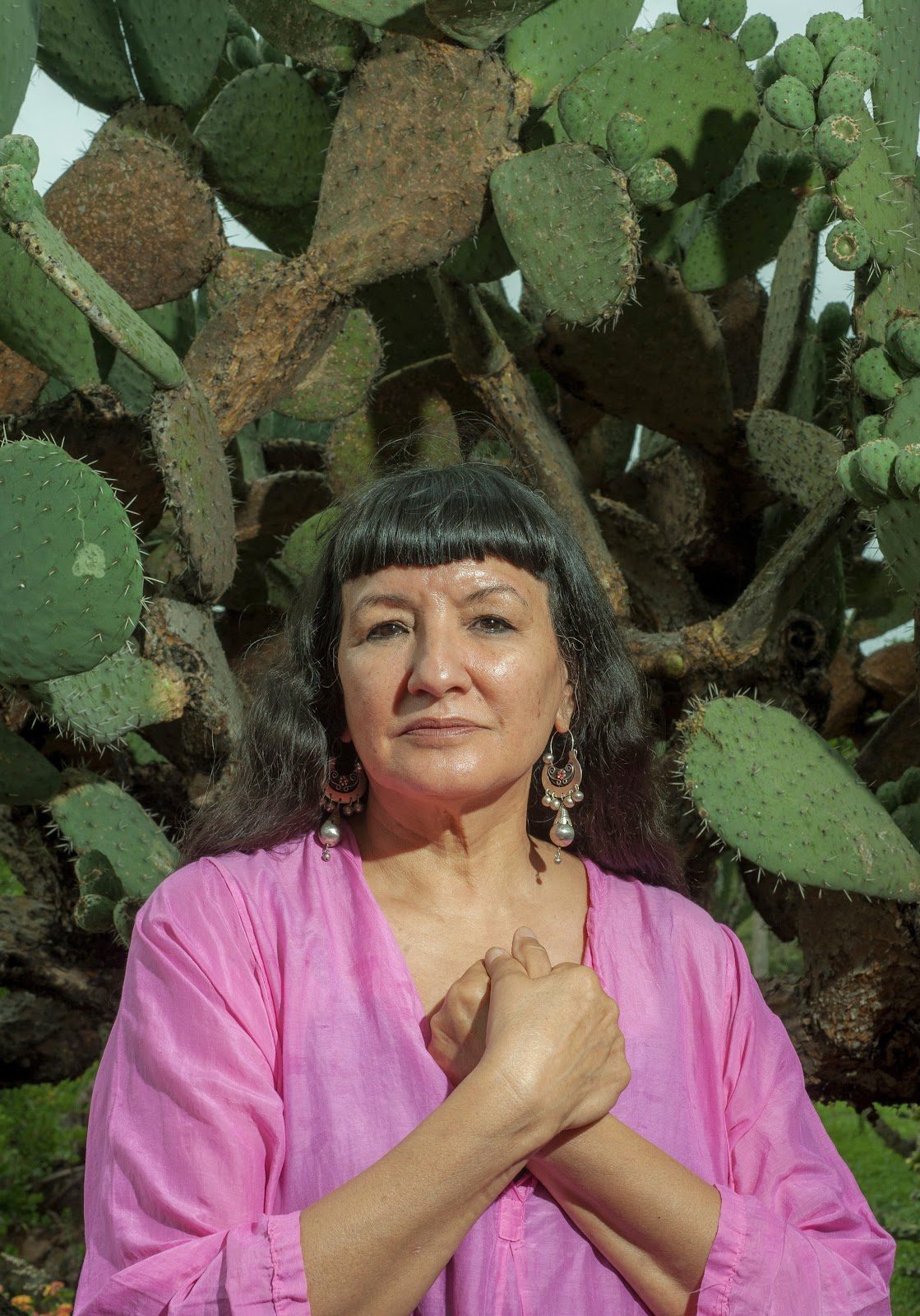
Recognition
Sandra Cisneros has earned widespread international acclaim and numerous prestigious awards that testify to her outstanding contributions to literature and culture. Among her most significant honors are:
- The American Book Award, which she received for her unique style and impact on American literature;
- The prestigious MacArthur Fellowship, awarded to exceptional individuals in various fields for their innovation and creative potential;
- The National Medal of Arts, which underscores the importance of her contribution to the development of the arts in the United States.
Her books have been translated into dozens of languages and are read all over the world. The themes Cisneros explores in her work remain incredibly relevant in the 21st century, resonating with contemporary social challenges and the ongoing fight for human rights. Sandra continues to work actively: she speaks at literary festivals, leads workshops, shares her experiences, and inspires young authors to freely express their thoughts and feelings. She has become a symbol of strength and resilience for many writers, especially those from minority backgrounds, who are searching for their voice in the complex world of literature.

Sandra Cisneros is more than just a writer. She is the voice of a community, the voice of women, and the voice of those who fight for equality and the right to self-expression. Her works are lessons in valuing individuality, respecting cultural roots, and having the courage to be oneself, even when it is difficult. Cisneros’s legacy is a source of inspiration for all who seek to find their own way and make the world a better place through words and art.
Also, learn about the political history of Chicago.