

During World War II, American women embodied patriotism and strength, taking on roles that had previously been out of their reach to support the war effort overseas. When the U.S. entered the war after the attack on Pearl Harbour in 1941, millions of men were sent abroad to fight. This event completely changed the lives of women in Illinois and Chicago. Before the war, they mostly held traditionally light jobs such as secretaries, sales clerks, or receptionists, and it was rare to see them in the workforce otherwise. However, with the massive wartime demand for labour, an estimated 6 million women started working in industries that had previously been closed to them, according to chicagoka.com.
Recruiting Thousands from Illinois
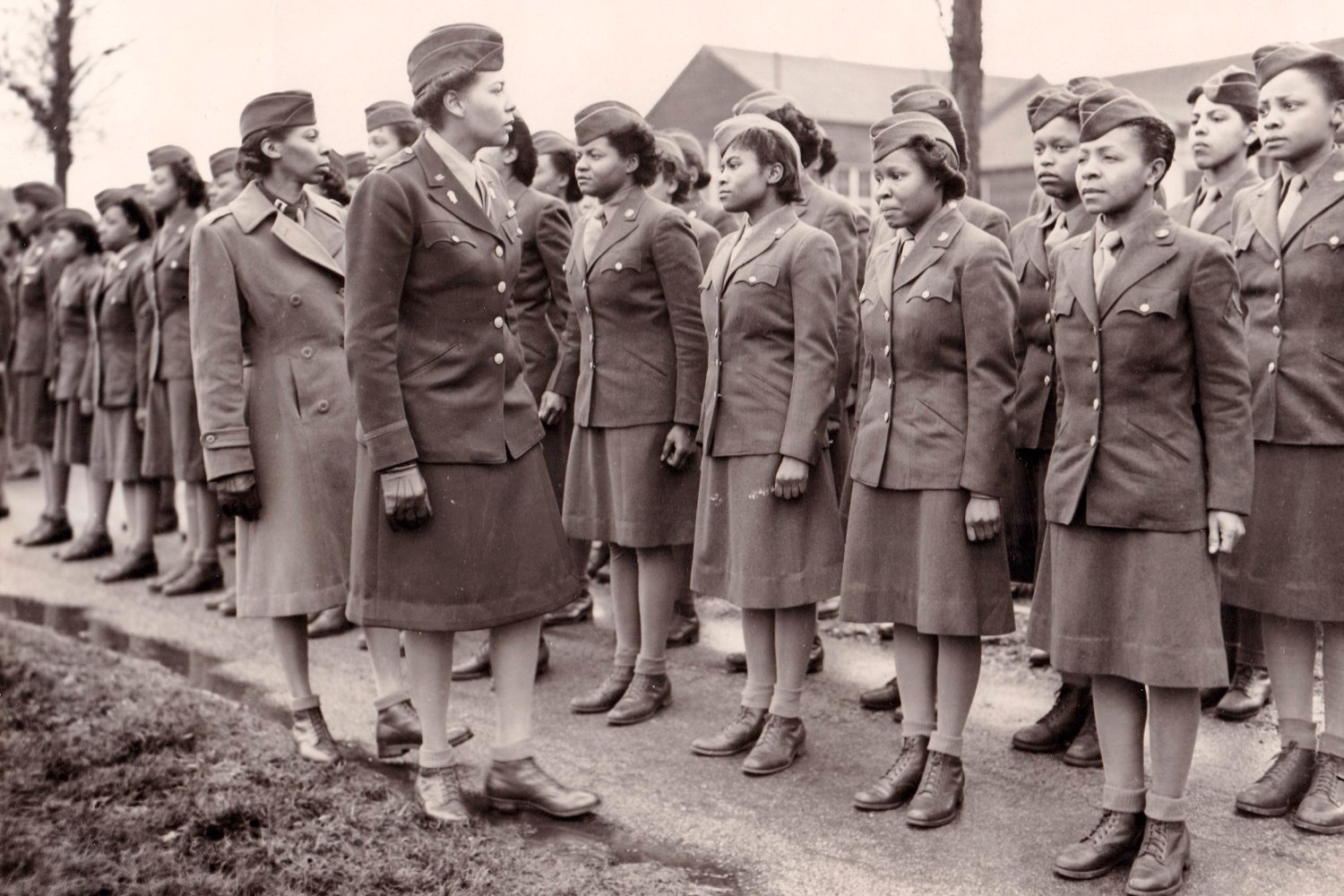
When war was declared in December 1941, thousands of men signed up for the army, and thousands more headed to training bases. The U.S. Naval Station Great Lakes, which had been open since before World War I, was a major recruit training centre, but enlistment had slowed down in the early 1930s. According to the Navy, during World War II, the base’s troop count grew from 6,000 to 68,000. By the end of the war in 1945, approximately one million sailors had been trained at the base in North Chicago.
A total of 13,587 women from Illinois enlisted in the military during World War II. Including those already serving and the units provided by the state, Illinois supplied nearly 1 million citizens to the U.S. armed forces throughout the war.
Women’s New Roles
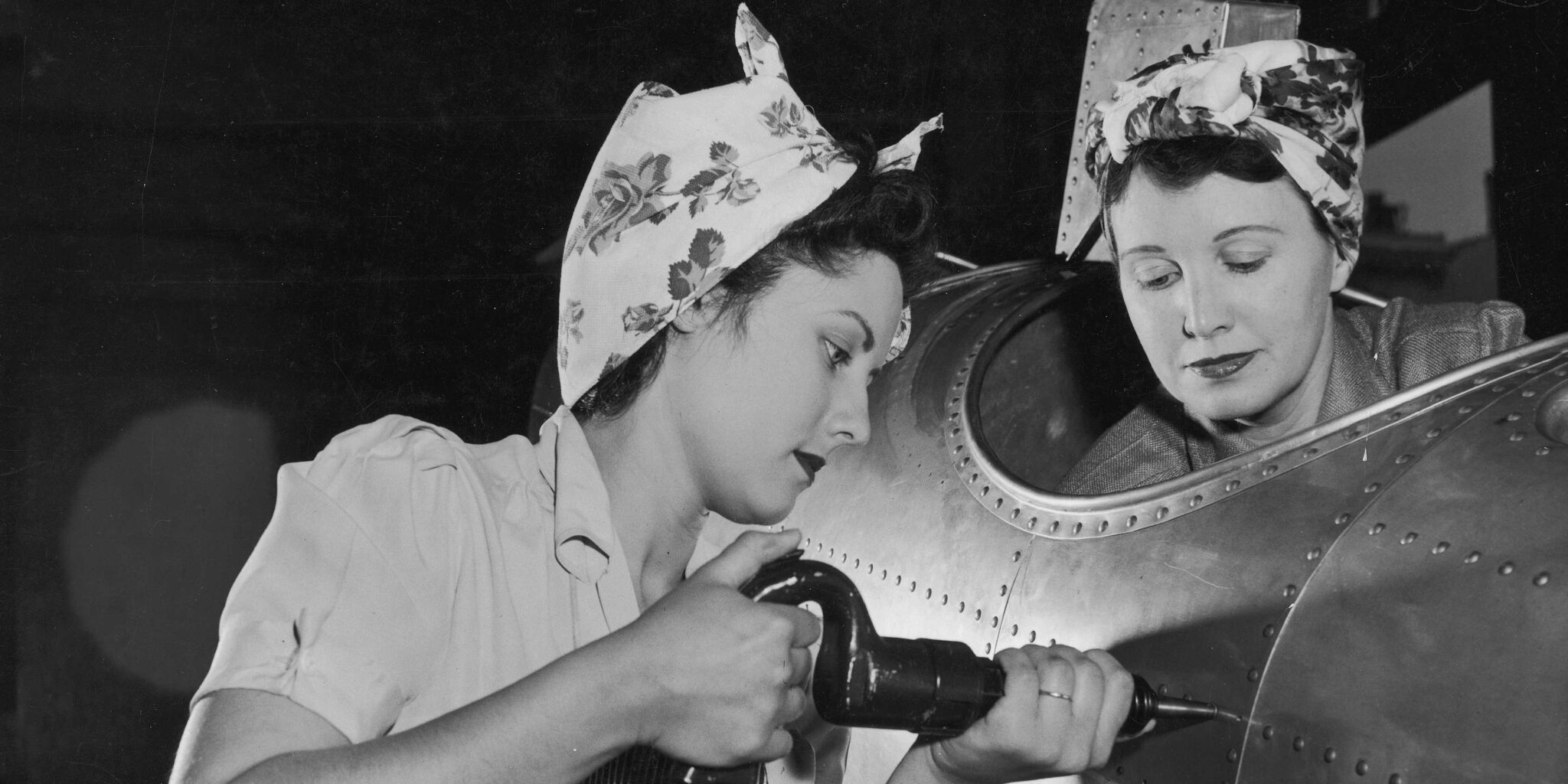
During World War II, the U.S. government ran advertisements to encourage women to join the workforce. The ads featured the fictional character “Rosie the Riveter” with the famous slogan, “We Can Do It!” In Chicago, women answered the call. By 1945, nearly a quarter of married women were working outside the home.
Women took on jobs in construction, drove trucks, chopped wood, and cared for livestock on farms. Many worked in factories that produced ammunition, airplanes, trains, and ships. They also became mechanics, parachute packers, and instructors. Nearly 350,000 American women served in the military, working as clerks and nurses. The overall percentage of women in the U.S. workforce grew from 27% to 37% during the war.
While women’s contributions were vital, they were not always treated fairly. Female workers often faced discrimination and harassment in the workplace and rarely earned more than half of what men made.
The push to employ women was only meant to last for the duration of the war. After it ended, many women hoped to keep their jobs, but they were displaced by the men who were returning home. While some women left their positions feeling empowered with new skills and confidence, others looked for ways to stay. Those who managed to do so were often demoted and given a pittance for pay.
Nevertheless, the transition to the workforce during World War II gave women a chance to demonstrate their abilities. Now with newfound strength, special women’s organizations waged a long and slow battle for equal employment opportunities and pay.
Women Nurses
Nursing had been a traditional wartime role for women since the American Revolution. In 1910, the Army Nurse Corps was formed, accepting the first women into service. Seven years later, the U.S. Navy followed suit, creating the Navy Nurse Corps. When Japanese forces attacked Pearl Harbor and the Philippines, Army nurses were there caring for service members. They faced every kind of injury imaginable, from deep chest wounds and massive amputations to severe burns. However, one of the most challenging aspects of their work was helping soldiers overcome the mental trauma they suffered during intense combat.
The courageous nurses, doctors, and medics of Chicago remained resilient in the face of death. Despite their vulnerability to enemy attacks, they skillfully dodged danger and overcame their fears, staying with the patients who needed their help.
Chicago’s Own Rosie the Riveter
During World War II, Caterpillar Inc.’s earth-moving equipment production in Peoria ramped up thanks to the federal Lend-Lease program, which supplied goods and military equipment to Allied nations. According to archives from the Journal Star, Caterpillar tractors were being used by the Allies as early as the beginning of World War II, but after the U.S. entered the war, production surged. Bulldozers were vital to the war effort as they allowed for the creation of airfields and the clearing of rubble after battles.
Illinois factories were ready for the increased production. The Department of Defense initially requested a variety of equipment from Caterpillar Inc., including transmissions for tanks and running gear for howitzers. Later, the U.S. Department of Defense decided to focus solely on the mass production of motor graders and track-type tractors. During World War II, African Americans actively moved to Illinois, especially Chicago, in search of work. The employment rate for women during this period increased by 50%. Chicago’s own “Rosie the Riveter” was Ruth Lockhart, who worked for Howard Aircraft Corp. When America entered the war, she was living on her family’s farm in Paris, but wanting to contribute to the war effort, she moved to Chicago where her sister lived. Lockhart trained as a riveter at the American Aviation Institute before moving on to Howard Aircraft Corp., where she helped build training aircraft for the Navy. She was proud for her entire life that she had mastered this profession and was able to contribute to the victory.
Women Pilots and Volunteer Organizations
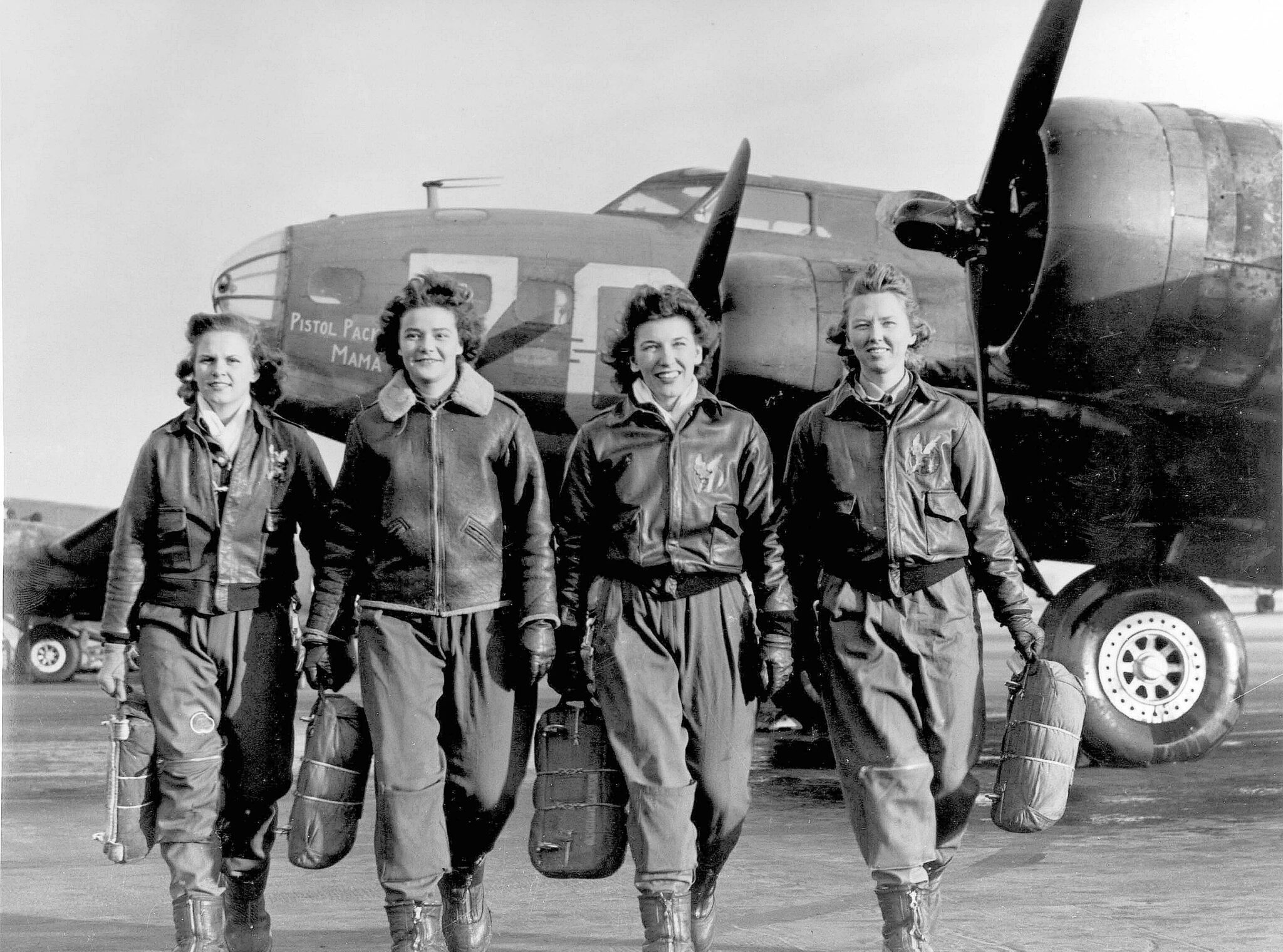
In September 1942, women began flying in the U.S. Air Force for the first time. Twenty-eight women were in the first group of ferry pilots, known as the WAFS. Shortly after, a training program called the WFTD began. Upon graduation from the WFTD, women became WAFS. They were responsible for ferrying aircraft from factories to airbases, towing aerial targets for gunnery practice, and testing planes. In addition, they flew almost every aircraft from the B-17 to the P-51.
During the war, many women in Chicago joined volunteer organisations to help both on the home front and with the troops. Popular organizations included the USO, the Red Cross, the American Women’s Voluntary Services, and others. The latter was founded based on a British model in January 1940. Its volunteers, who numbered around 325,000, engaged in a variety of activities, including working in canteens, selling war bonds, taking photos, and more. The American Red Cross, founded in 1881 by Clara Barton, was a well-established organisation that performed a number of important tasks, including collecting blood for the army’s medical needs.
Taking all of the above into consideration, it’s clear that life was challenging for women in Illinois and Chicago during World War II. Yet, despite everything, thanks to their strength and perseverance, they were able to prove they were just as capable as men. Their contribution to the victory was immeasurable.