

Ann Goldstein was a well-known figure, not just in America, but far beyond its borders. Her numerous athletic triumphs, especially in basketball and softball, represent one of the greatest achievements of Jewish-American culture in modern Chicago, according to chicagoka.com.
Goldstein was one of Chicago’s leading amateur female basketball and softball athletes for 15 years, from the late 1920s to the early 1940s. During the Great Depression, she was a regular participant in the Amateur Athletic Union’s (AAU) annual basketball tournament and various softball leagues.
Childhood and Her First Steps in Sports
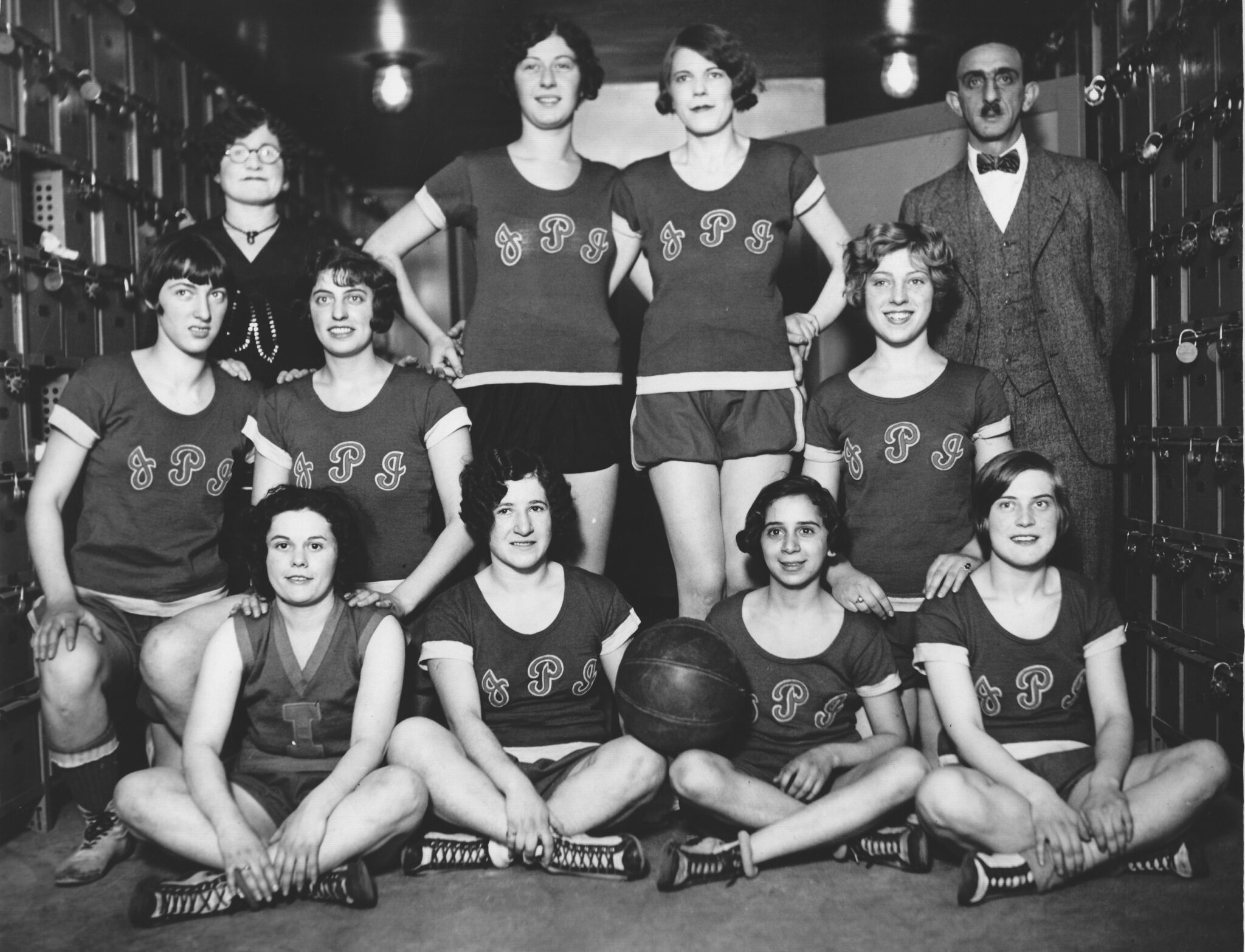
The future sports star was born in Chicago on January 16, 1913, to immigrant parents Abe and Rose. Her parents had moved to the U.S. from Russia in 1905, and Ann was the youngest of their four children.
In 1923, her father opened a men’s clothing store, Abraham Men’s Clothing. That same year, he moved his family to the North Lawndale community, following a trend of many Jewish families who were moving west as their prosperity grew. The community sponsored various youth sports competitions and supported several basketball teams, including one of the city’s top amateur squads—the women’s team from the Jewish People’s Institute (JPI).
Ann Goldstein joined the JPI team for the 1927-1928 season. She was just 14 years old, which was quite remarkable considering the team played at an elite level with a demanding practice schedule. The first public mention of Ann’s presence on the team was in a 1928 Chicago Herald and Examiner article. It reported on JPI’s victory over the Beloit Fairies, which went into double overtime. Thanks to the young Goldstein, who sank a basket with one second left on the clock, JPI won 13-11. More than 3,000 fans watched the thrilling finish.
In 1932, a 19-year-old Goldstein graduated from Marshall High School, a little later than her peers. Her intense basketball schedule at the Jewish People’s Institute had delayed her schooling.
Leading the JPI Basketball Team
With Ann on the roster, the JPI team was a powerhouse. Coached by Emil Golubier, sports journalists consistently noted the team’s lightning-fast feet and quick-moving play. Goldstein was the fastest of them all, excelling at guarding, running, and shooting. The team finished the 1929 season with only one loss. Ann traveled extensively with the team, playing games against the Beloit Fairies in Wisconsin and the YWHA Girls in St. Louis. The Jewish People’s Institute’s policy at the time was to send its female athletes on the road to promote the JPI Girls brand and showcase their accomplishments, with the unspoken goal of Americanizing and breaking the stereotype of Jews as unathletic.
JPI was one of the few white amateur teams that regularly played against African American teams, often on their home courts. As Jews who faced their own share of social alienation, they were well aware of what it felt like to be outsiders and didn’t want to subject others to the same.
Female athletes of that era, especially those in school, settlement houses, and church programs, often excelled in multiple sports. Starting in 1928, Ann and her teammates would join the JPI volleyball team at the end of each basketball season. For two weeks in April and May, they participated in the Amateur Athletic Federation (AAF) women’s tournament. Despite her short stature, Goldstein helped the team win five city championships in six years. These victories brought her widespread popularity and fame.
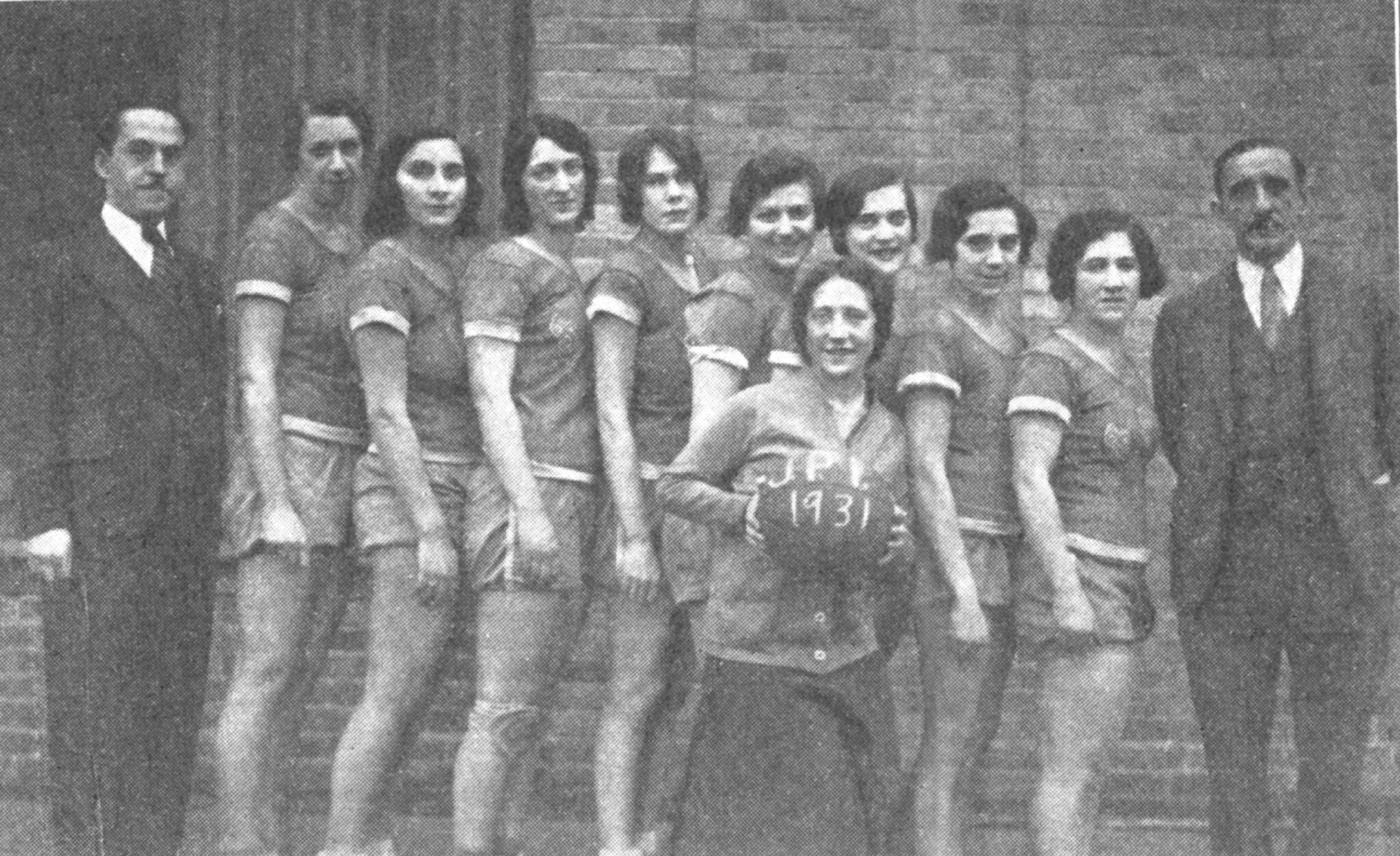
Throughout the 1930s, the veteran JPI team remained at the top of their game, with Goldstein playing as a forward. In February, the team won the annual Calumet Region Basketball Tournament. By the end of the season, they announced they had won 157 games and lost only 6 over the past five years.
Ann led the JPI women’s team to another successful season in 1931-1932, repeating their win as champions of the Calumet Region Basketball Tournament. Afterward, Ann was considered one of the sport’s biggest stars and was frequently singled out in Chicago newspapers. However, with the onset of the Great Depression, the JPI team was disbanded. Its three best players, including Ann Goldstein, moved on to a new team: the Spencer Coals.
A New Team, Continued Dominance
The Spencer Coals proved their dominant position in the 1932-1933 season. Under Ann’s leadership, they got their revenge against the Six Point Co-eds. In April, Goldstein led the Spencer Coals to a 42-40 victory in the AAU championship game. Ann completely dominated, scoring 27 of the team’s winning 42 points. In the 1933-1934 season, the Spencer Coals once again captured the AAU tournament title.
Meanwhile, Ann Goldstein continued to play softball, competing in local leagues. There, she met Guy Gomberg, a coach and official with local softball organizations. They soon began a relationship and were married on June 22, 1934. In July 1935, Goldstein, along with two other prominent basketball players, Mary Fendell and Marguerite Eastham, joined the Kilmer Trees team.
During the 1935-1936 basketball season, Ann played for the T. J. Bowlers. In April 1936, Goldstein and several other players were suspended by the AAU on charges of professionalism. The rules for amateur sports were extremely strict at the time, and no player was allowed to engage in any sports-related work, such as a physical education teacher or a park district specialist. Ann was working as a physical education instructor, and as a result of the high-profile scandal, she and her team were banned from competing in any sports events. Eventually, the circumstances changed, and Goldstein and her teammates regained the right to play in the championship.
By the 1936-1937 season, Ann was a key player for her team in the Windy City League competition. The team performed well, and when they won the American Tournament semifinals at the end of February with a score of 19-17, it came as a surprise to many.
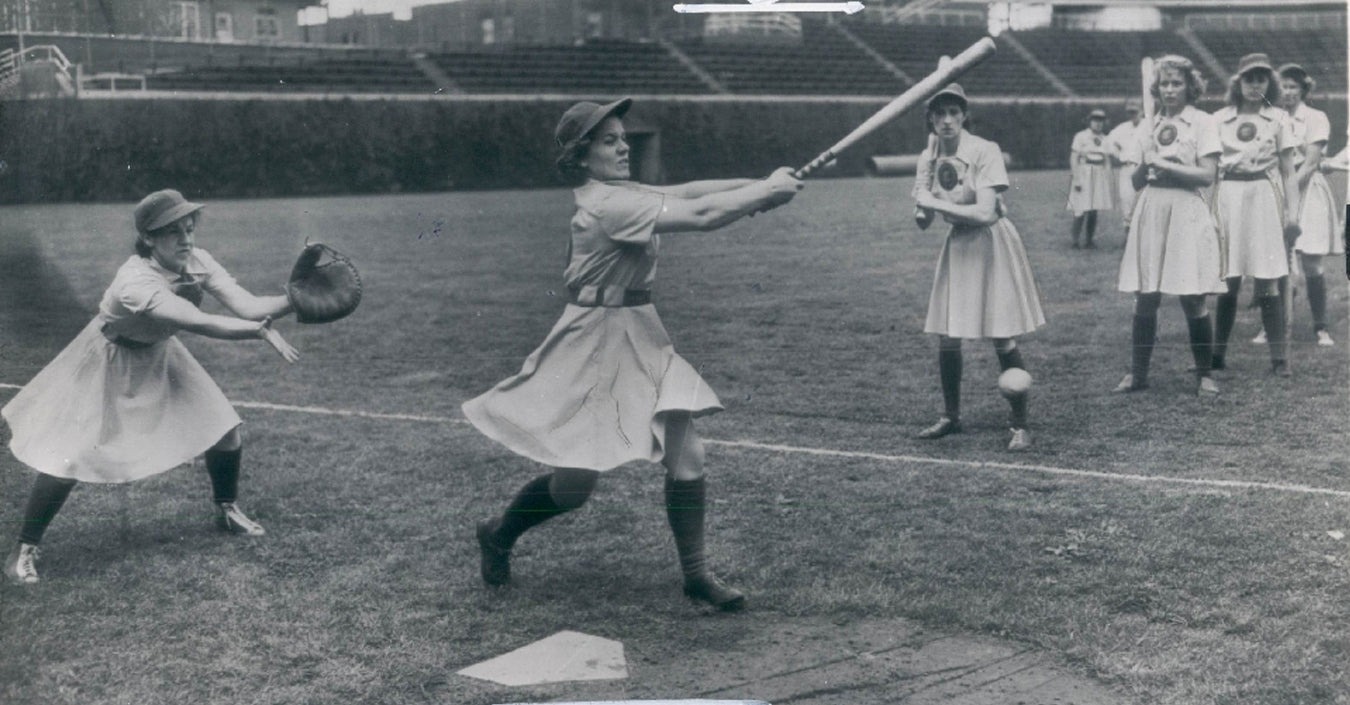
In the 1937-1938 season, Goldstein joined the Bill Rand Girls, a team that included Chicago’s best athletes. By the 1938-1939 season, Goldstein was arguably the oldest player on the team. Her skills may have diminished, but she still led the Bill Rand Girls to victory. This season would be her last in basketball. However, she continued to play softball. Starting in the summer of 1938, Ann became the star pitcher for the McCabe Boosters. The following summer, she played for the Down Drafts softball team, which was coached by her husband, Guy Gomberg.
The End of a Career and a Lasting Legacy
Ann Goldstein’s sports career ended in 1945. Around that time, she and her husband moved to California, where Guy became a baseball scout for various teams. Ann passed away on March 14, 1983, and her husband died in 1998.
Analyzing the biography of this remarkable woman, it’s clear she left an outstanding athletic legacy. Unfortunately, her story was unfairly forgotten by the Jewish-American community for some time. It’s important to note that Ann was able to build her legacy because she was born in Chicago and worked with the Jewish People’s Institute, which promoted talented young men and women. Goldstein was one of the city’s most successful female athletes for nearly two decades.