

The name of Bessie Coleman is known not only in Chicago but far beyond its borders. This beautiful, delicate woman became the one and only African American female aviator. She earned an international pilot’s license. However, Bessie had to confront difficulties to achieve success, and she handled it with ease, according to chicagoka.com.
Troubled childhood
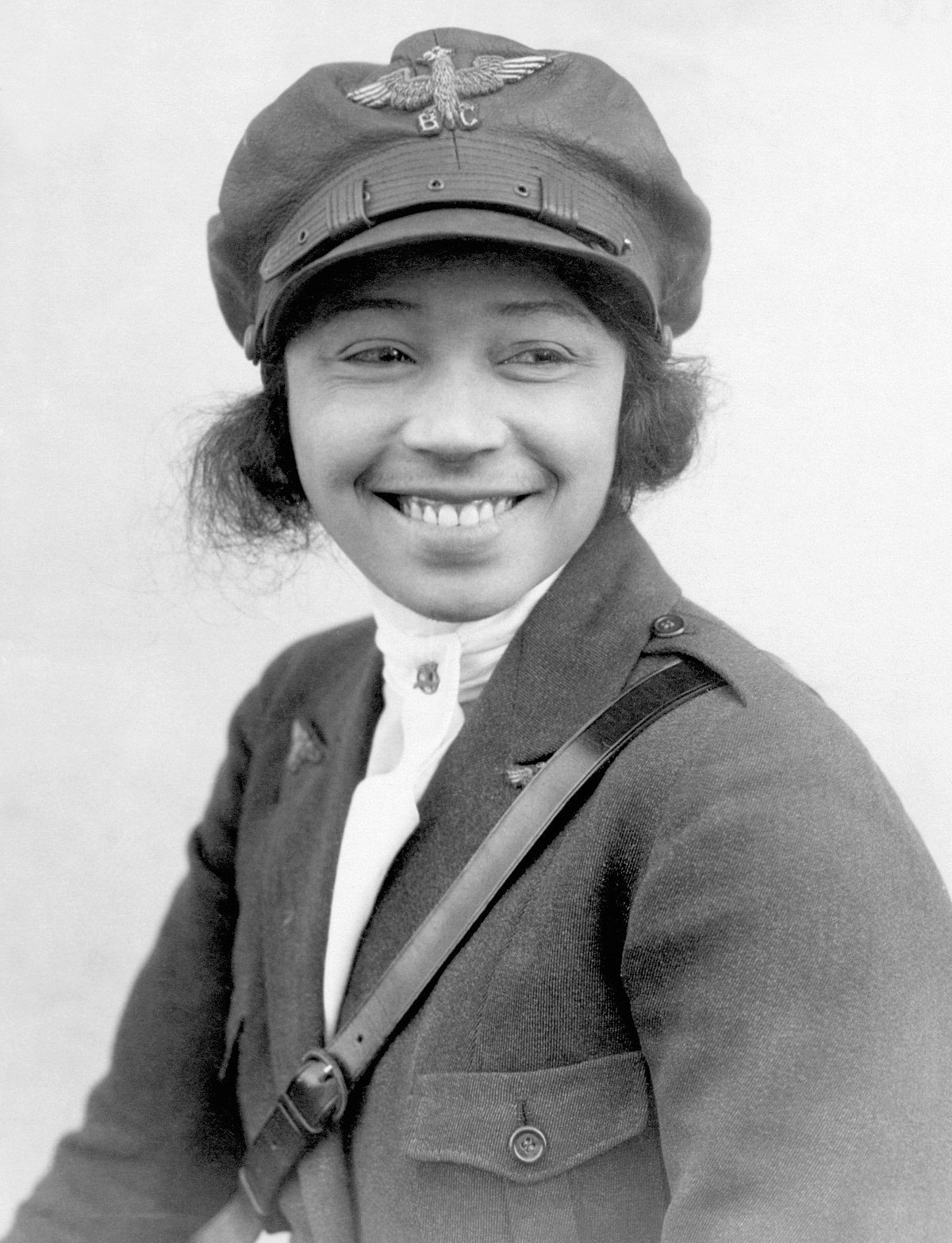
Bessie was born in Atlanta, Texas, on January 26, 1892. She had 12 siblings. When she was a child, her family moved to Waxahachie, Texas. Bessie went to school when she was 6. She studied in a one-room building without basic supplies such as chalk and pencils. Despite this, the girl was an exemplary student.
Every day, Bessie walked 6.5 kilometers to get to school. After classes, she had no time for homework as she had to help her parents gather cotton.
In 1901, a negative event occurred that affected the girl. Her father left the family and went to Oklahoma. The main reason for his actions was the racial barriers that existed in Texas at that time.
Overcoming obstacles
In 1910, 18-year-old Coleman entered the Colored Agricultural University in Oklahoma (now Langston University). After completing one semester, Bessie was forced to return home as she could not afford to continue her education.
Realizing that there were no prospects for her in her hometown, Bessie took her two brothers and moved with them to Chicago. Life in the new city was tough and it took a very long time for the girl to find at least any kind of work. She got lucky and found a job in a hair salon, doing manicures for rich women.
While working in the salon, Bessie repeatedly heard stories about aerial combat from people who fought during World War I. Soon, the girl had a dream to become a pilot, but it seemed to be impossible then. But despite her aspiration, Coleman couldn’t get into an American flight school because she was a dark-skinned woman.
However, Robert Abbott helped Coleman pursue training abroad. She also received significant financial support from banker Jesse Binga. Before going to study in France, the girl had to learn the language.
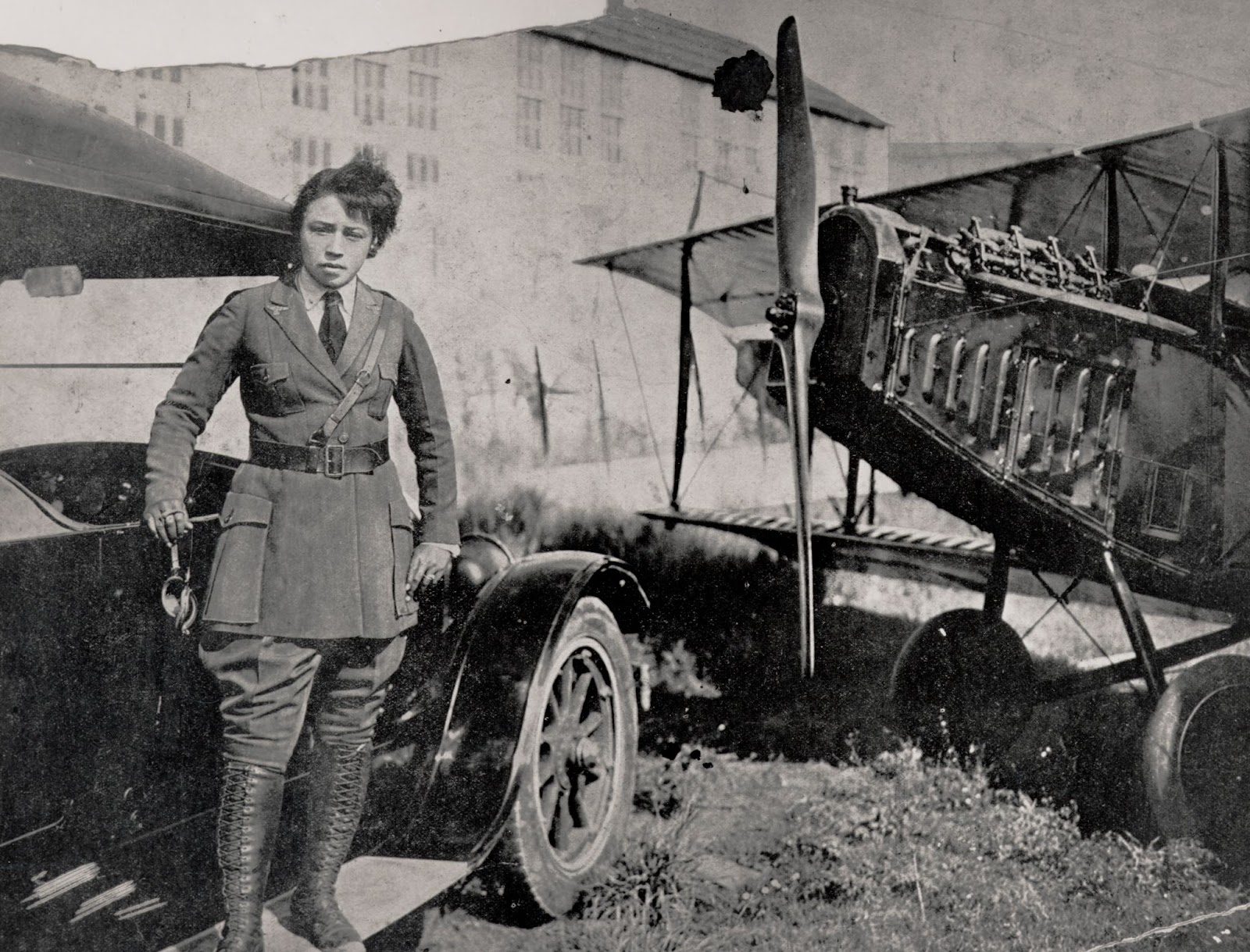
Coleman left the United States in November 1920 and traveled to Paris to learn to fly the Nieuport 564. It was a biplane equipped with a steering system. On June 15, 1921, she became the first African American woman to earn an international pilot’s license.
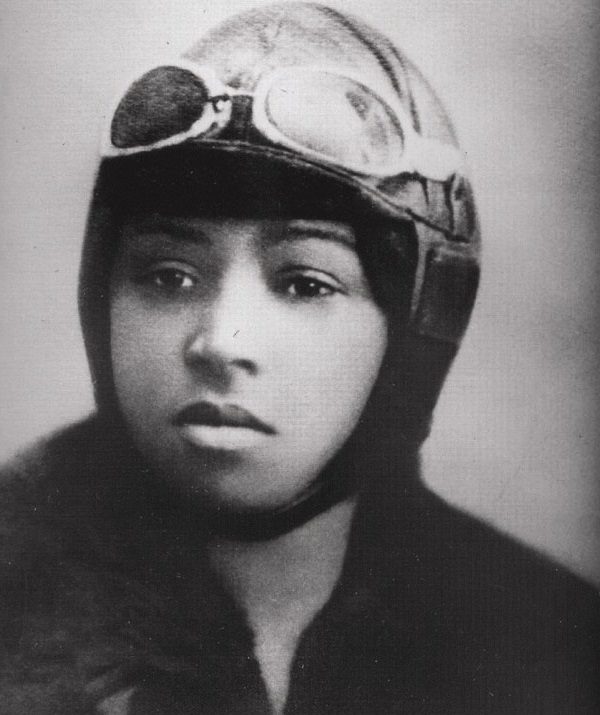
In 1922, Coleman went to Europe, where she took advanced training in aviation. In the Netherlands, she met with the famous aircraft designer Anthony Fokker.
After training in Germany, Coleman came back to America. There, she began to be called Queen Bess. She amazed everyone with her unique stunts in the sky and low-altitude flying. She was widely discussed all over the world for about 5 years.
Coleman experienced another challenging period in her life in 1923. Her plane crashed in Los Angeles, California. Bessie sustained moderate injuries, breaking a leg and three ribs.
Becoming a pilot, Coleman dreamed of opening her own flight school for black aviators, but she was unable to realize it due to financial problems.
There was no hint of trouble on April 30, 1926. Bessie was going to bail out but did not fasten her safety belt. Ten minutes after takeoff, the plane failed to pull out of a dive and sharply spiraled. At a height of 150 meters from the ground, Bessie was thrown from the aircraft. She died instantly.
Since 1931, dark-skinned pilots have flown over Coleman’s grave every year, thus honoring the memory of her. In 2006, Coleman was inducted into the National Aviation Hall of Fame. Her image appeared on a U.S. postage stamp.
The woman was able to overcome all the challenges on her path thanks to her passion for her work. Despite obstacles, she confidently pursued her goal. Her work became an inspiration for an entire generation of African Americans.