

Judy Chicago (nee Judith Sylvia Cohen) is a feminist, artist and educator from the United States. She is known for her installations that express the place of women in history and culture, writes chicagoka.com.
Influence of parents
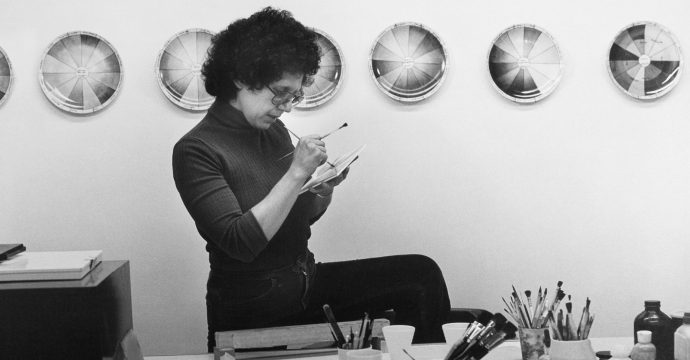
She was born in Chicago in 1939. Her father, Arthur Cohen, was the son of Jewish rabbis. But compared with his predecessors, he was a determined political activist. Judy always looked up to her father and followed his example.
Judy’s mother was a former dancer who also served as a medical secretary. She continued to work even though society condemned working women.
The girl’s father was liberal and advocated for the rights of working women. This greatly influenced her mindset in the future. A unique artistic talent Judy inherited from her mother, while a strong character passed down from her dad. Her future career and lifestyle were shaped by the influence of her parents.
Chicago showed great enthusiasm for art from a young age. Parents noted the exceptional abilities of their three-year-old daughter and sent her to study at the Art Institute of Chicago.
When the girl turned 5 years old, she realized that art was her whole life and swored to herself that she would pursue it in the future. Persistently working towards her goal, Judy managed to become an artist.
Education
After graduating high school, Judy applied to the same institution she attended as a child but was rejected. Nonetheless, her application was accepted by UCLA, and she enrolled there.
During her studies, she began to take a keen interest in politics and created posters for the National Association for the Advancement of Colored People.
Big changes
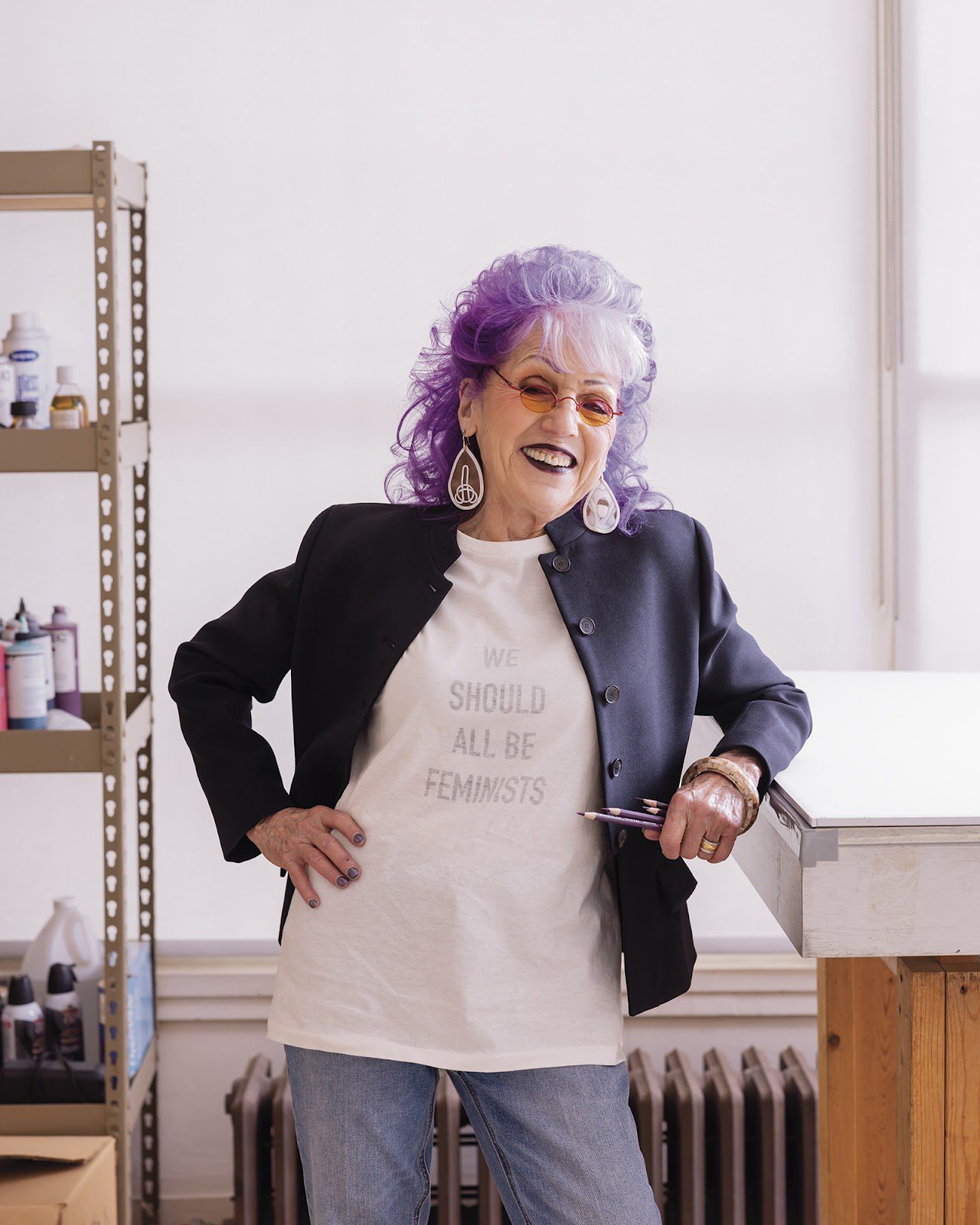
Judy met her love in 1959, after which she dropped out of university to live with her boyfriend, Jerry Gerowitz. While married, she purchased a studio in Chicago where she worked on her projects.
Soon, they moved with her husband to California and then returned to Los Angeles because she wanted to complete her studies. In 1961, Chicago weded Jerry. She received a Bachelor of Fine Arts in 1962 and became a member of Phi Beta Kappa.
Life seemed to be getting better, and everything was fine, but it was a deceptive impression. In 1963, Judy experienced a great tragedy. Her beloved Jerry was killed in a car accident. The devastating loss negatively affected Chicago’s health. She became severely depressed. Despite this, in 1964, she managed to obtain a Master of Fine Arts degree from the University of California.
In 1965, Judy did not feel such pain anymore and was able to live a normal life again. Fate gave her another husband, Lloyd Hamrol. He was a sculptor. Unfortunately, the couple separated in 1979.
Disappointed, Judy began to explore herself, shaping her own identity. At one point, she made the decision to change her surname to Chicago.
Works that brought popularity
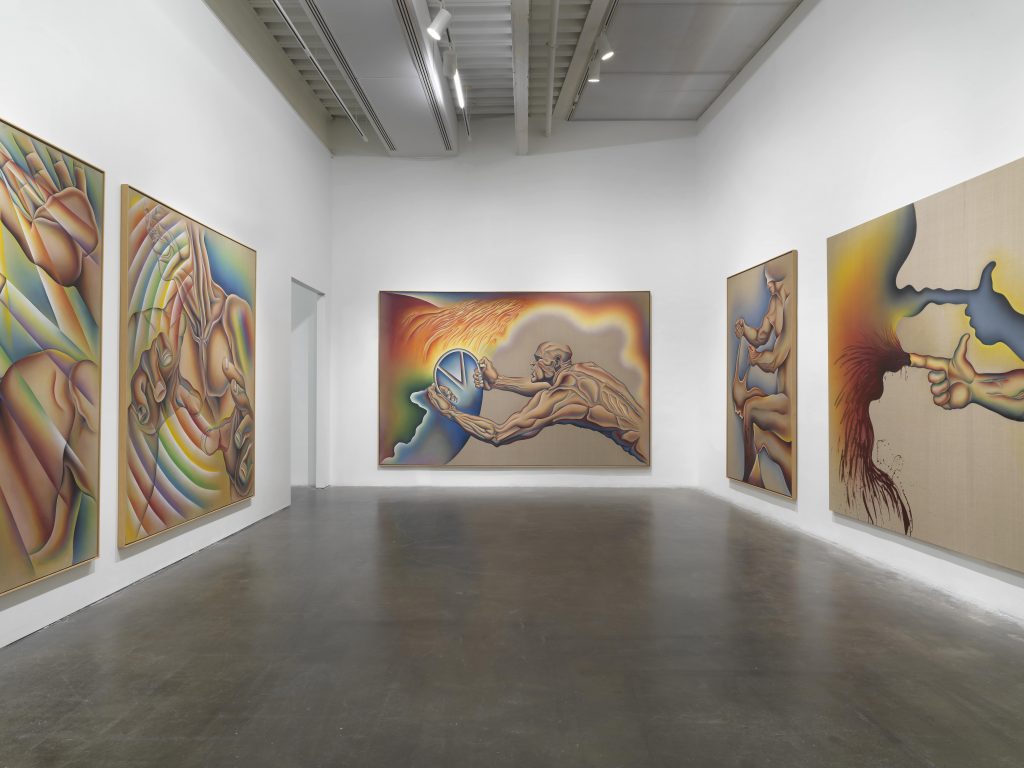
Her works “The Dinner Party” (1979), “The Birth Project” (1985), and “The Holocaust Project” (1993) brought Chicago fame. In the first two works, Judy established herself as a feminist artist. Her creations were often discussed and were very popular.
In her autobiography, Judy recounted all the difficulties that had haunted her throughout her life and her involvement in the women’s movement in the 1970s. This movement engaged in the development of feminist literature.
In 1972, Chicago, in collaboration with Miriam Shapiro, created a unique illustration called “Womanhouse.” It became the first artistic exhibition space to reflect the female perspective in art. Judy always believed that women should advocate for their rights in society by any means, preferably collectively.
Chicago was not only an American activist-artist but also wrote many books and articles. Thanks to her work, she gained recognition worldwide.