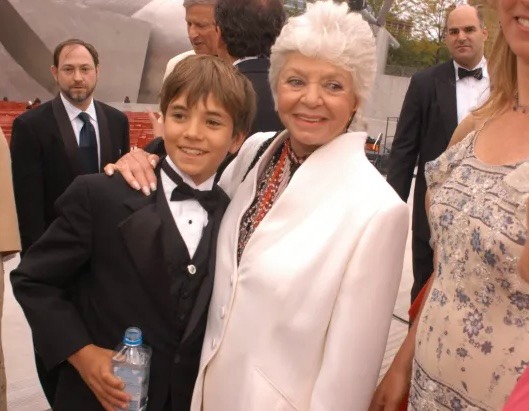

A woman whose energy, intellect, and love for the arts transformed her into one of the most influential figures on the 20th-century American cultural scene. She not only stood beside her husband but also became a driving force in shaping the family legacy herself. Thanks to her vision, projects emerged that define the face of modern Chicago today—from the magnificent Jay Pritzker Pavilion in Millennium Park to the founding of the world’s most prestigious architectural award, the Pritzker Architecture Prize. More at chicagoka.com.
Biography
Cindy was born in 1923 to Judge Hugo and Sadie Friend. From an early age, she was surrounded by examples of high standards, honor, and civic responsibility. Her father, Judge Friend, became famous for presiding over the 1919 “Black Sox” scandal case, in which eight Chicago White Sox players were accused of intentionally throwing the World Series for payment. This example of integrity and involvement in major public events left a significant mark on young Cindy’s developing character.
She grew up in the Kenwood neighborhood on Chicago’s South Side, attended Hyde Park High School, and later continued her education at Grinnell College in Iowa. Her education and environment shaped her taste, knowledge, and ability to see the world beyond her own experience. It was there that the foundations were laid for Cindy’s future involvement in the development of culture, architecture, and philanthropy.
She met her future husband when she was 13. Both families had vacation homes on the same lake, which was the beginning of an acquaintance that later grew into a lifelong partnership. The couple married on August 31, 1947, and Jay Pritzker went on to found Hyatt Corporation, the company that made their family one of the most influential in the business world. Cindy Pritzker was by her husband’s side at every stage of his career, supporting his ideas and actively participating in cultural and social projects.
After her husband’s death in 1999, Cindy continued the family’s work. She commissioned architect Frank Gehry to create the Jay Pritzker Pavilion in Millennium Park, which became one of Chicago’s architectural icons. Additionally, she served on the board of the Chicago Public Library and dedicated significant efforts to building the Harold Washington Library, one of the city’s most important cultural centers.
Family
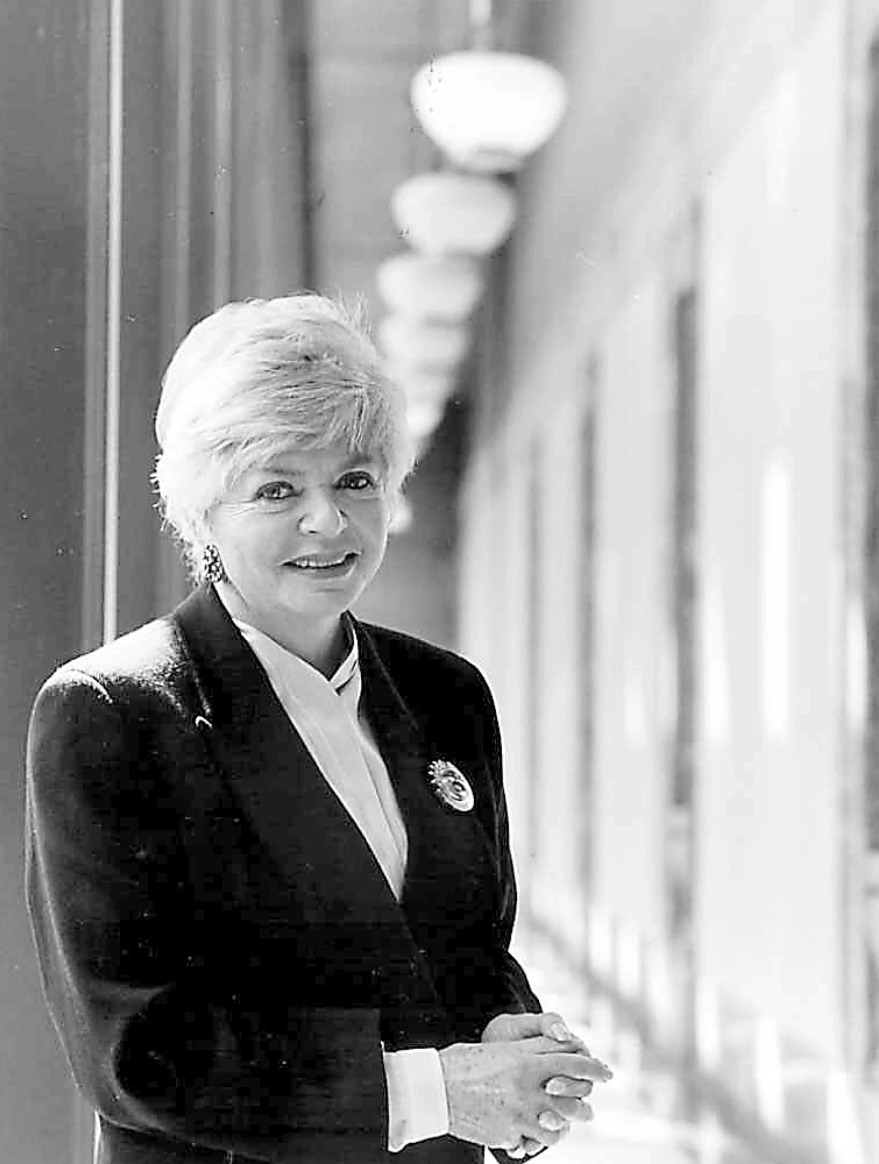
Cindy Pritzker had four children: Thomas, John, Dan, and Gigi. Thomas Pritzker took the helm of The Pritzker Organization and became the executive chairman of Hyatt after his father’s death. Her approach to parenting combined deep care, emotional support, and high expectations, which helped shape her children’s characters and led them to success in various fields. Cindy was known for her ability to balance family life with public activities. She actively supported initiatives aimed at improving the lives of children and youth, particularly through her involvement in charitable organizations and projects focused on advancing education and culture. Her children became prominent figures in business, culture, and politics.
Philanthropy
The couple jointly founded the Pritzker Architecture Prize, which is considered the architectural equivalent of the Nobel Prize. The prize encourages the development of architectural art and supports talented architects worldwide. This project reflects Cindy’s passion for culture, design, and the support of creative initiatives.
Cindy Pritzker’s philanthropic activities were extensive. She actively participated in the development of cultural and educational projects in Chicago and across the U.S., providing significant support to museums, libraries, and architectural initiatives. Her influence is felt in many areas where culture and civic engagement intersect.
Art Collection
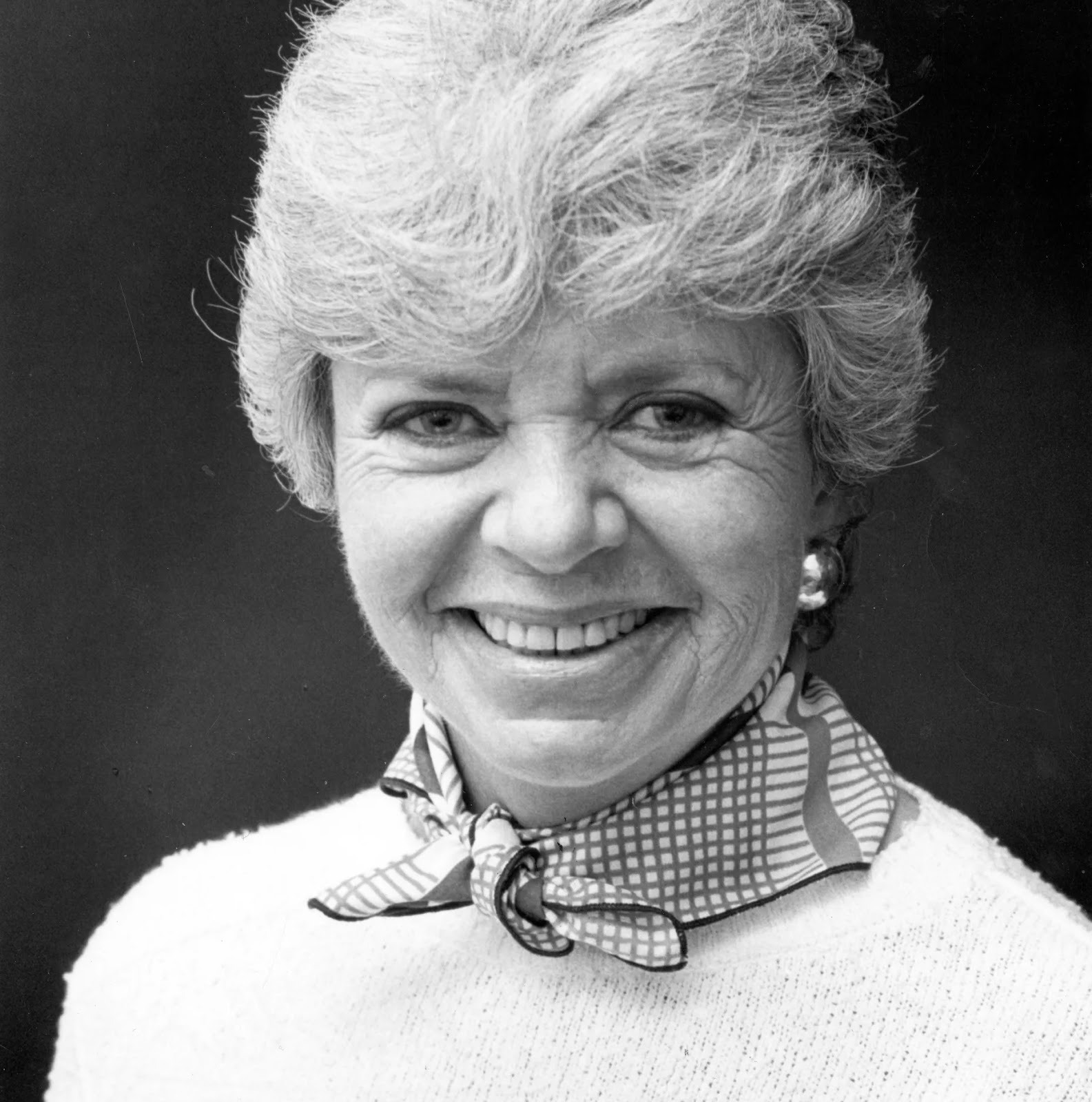
Over nearly fifty years, the couple built one of the world’s most unique collections of modern and impressionist art. The Collection of Cindy and Jay Pritzker reflects the family’s ability to combine the historical importance of the works with their aesthetic power.
The heart of the collection is “Romans parisiens” (1887) by Van Gogh—one of the artist’s most important still lifes. The painting was one of three works selected by Van Gogh himself for his first official exhibition at the 1888 Salon des Indépendants and became a pivotal piece that solidified his status in the Parisian avant-garde. For Cindy Pritzker, having this work in the family library held special meaning. It combined Van Gogh’s passion for books with her own civic and cultural vision.
No less significant is Henri Matisse’s triptych “Leda and the Swan,” which reimagines mythology through bold experiments with form and color. Other outstanding works in the collection include Paul Gauguin’s “La Maison de Pen du, gardeuse de vache” (1889), Max Beckmann’s “Der Wels” (1929), and Ernst Ludwig Kirchner’s “Hallesches Tor, Berlin” (1913), one of the largest surviving Berlin cityscapes in private hands.
Cindy Pritzker left behind an immense legacy. Her work influenced the development of Chicago and the U.S. as a whole, and the prizes, buildings, and cultural projects she founded remain symbols of her vision and dedication to society. Her life demonstrates that one person’s influence can combine family values, art, business, and philanthropy, shaping a legacy that will live on for many years after her passing.