

Shirley Jameson was a Chicago athlete who made a name for herself on the world stage. Between World War I and World War II, she was one of Chicago’s leading female athletes, building a brilliant, nationally recognized career in several sports. Jameson first made her mark in speed skating and softball, then in baseball. Read on for more about her life and accomplishments chicagoka.com.
An All-Around Athlete
Many call Shirley Jameson the most extraordinary athlete of Chicago’s golden age of women’s sports. She first found success in speed skating, winning the Illinois women’s championship title twice and the Silver Skates championship. At the same time, Shirley played softball and became one of the city’s amateur stars. Then, in the mid-1940s, Jameson earned her place as one of the stars of the All-American Girls Professional Baseball League. The athlete competed with great athleticism, speed, and power in every sport, proving to the world that a petite woman could hold her own against worthy opponents.
Childhood and Youth
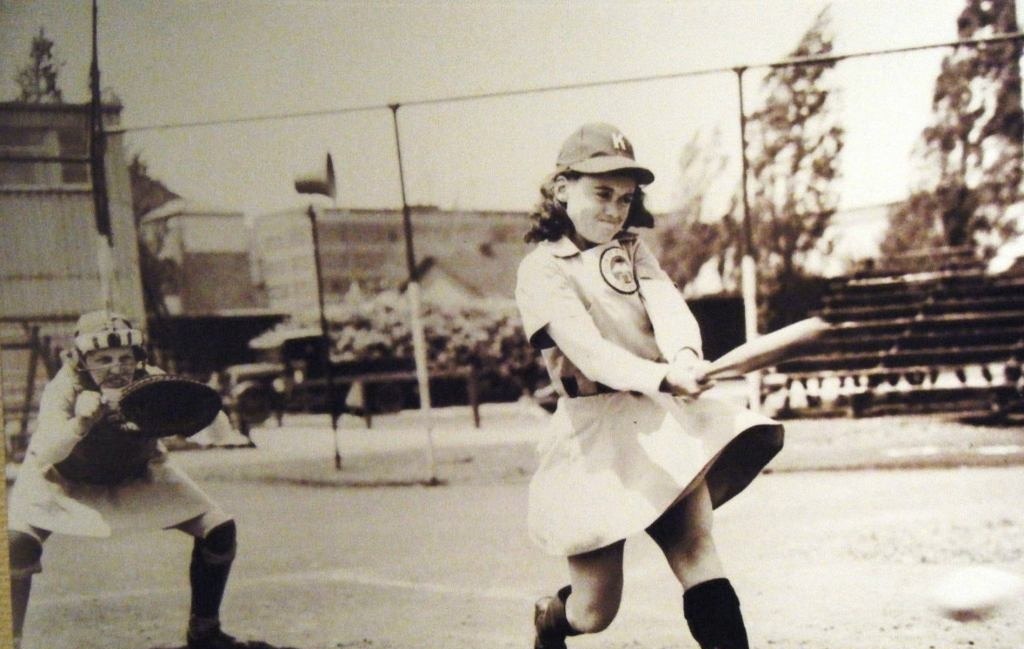
Shirley was born on March 29, 1918, in Maywood, a western suburb of Chicago, to a middle-class family. Her father worked at a telephone manufacturing plant, while her mother raised the children. From a young age, Shirley showed a love for sports. At a community picnic, she once won a 100-yard dash and received $3 for first place.
While attending Proviso Township High School, she was a member of the Girls’ Athletic Association sports teams. In her sophomore year, she participated in amateur figure skating competitions, including the Chicago Tribune Silver Skates tournament in 1933, where she finished third in the junior girls’ derby. In her junior year, Shirley became the manager of the girls’ baseball team. Later, she joined the prestigious and respected Northwest Figure Skating Club. As a member of the Northwest, Shirley won the Silver Skates junior girls’ derby in 1935. It’s also worth noting that she finished fourth in the senior girls’ derby at the Silver Skates tournament.
Career Development, Speed Skating Success
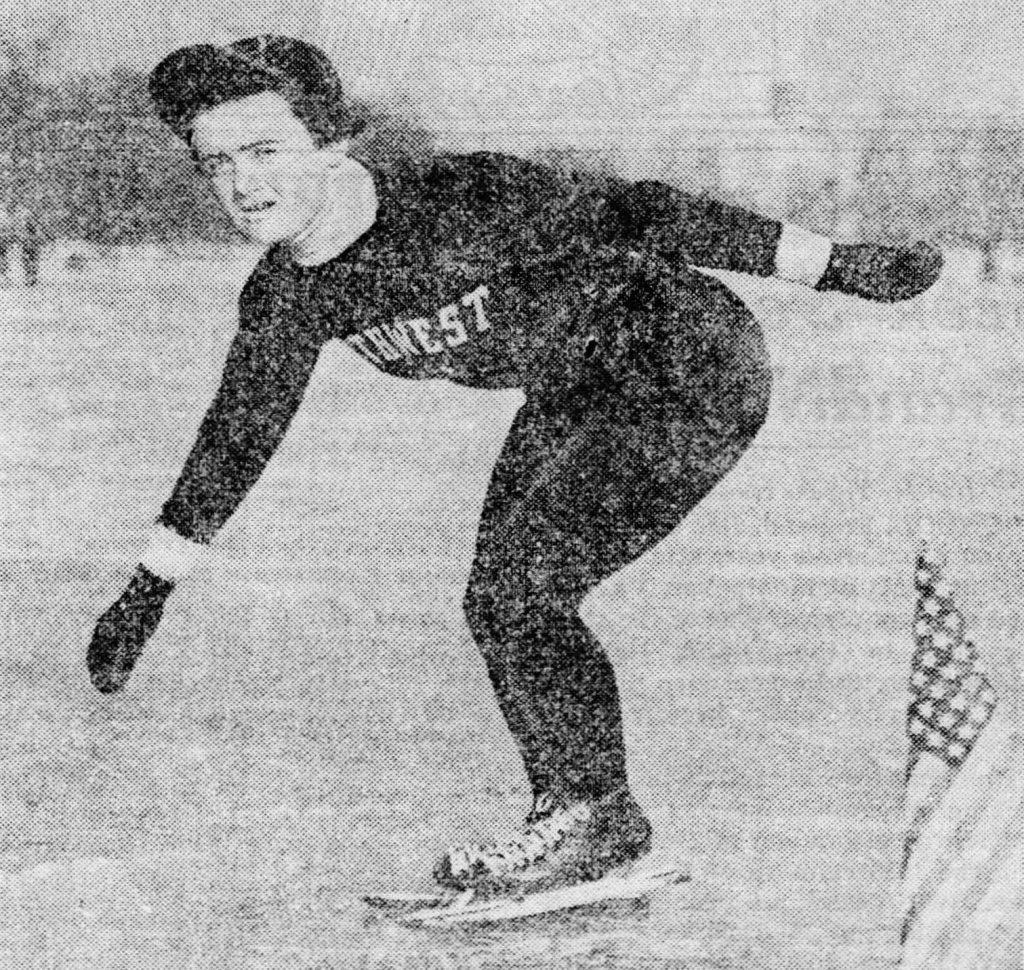
After graduating from Proviso Township High School in 1935, Jameson joined the women’s amateur softball league, which was at a high level at the time. She was considered talented enough to join one of Chicago’s best teams, the Vogel Bloomer Girls, who had regularly participated in the American Tournament and others for the previous two years.
The 1937 skating season was special for Jameson. In the Silver Skates competition, she had the opportunity to compete in the newly created intermediate division for 17-year-olds, but she chose to compete in the senior division. She performed admirably and won. Then, in a thrilling finish, after trailing competitor Elaine Bogna by 20 yards in the final, Jameson suddenly picked up speed and caught up to Elaine. She was clearly ready to compete at the highest level of speed skating. A week later, on January 23, at the legendary Sleipner Derby, Jameson had a brilliant performance in the women’s division, easily beating her two rivals, Eleanor Thiel and Elaine Bogna. Her major accomplishments that season allowed Shirley to compete in the national championship in St. Paul, Minnesota.
Throughout the 1938 season, Jameson was a contender to win a number of local, state, and national competitions. However, she ultimately didn’t have any significant wins. In 1939, she made it into the top group of champions. That year, Shirley competed at the Illinois State Derby in Glen Ellyn, winning the 440-yard dash and finishing second in the 880-yard run. Her triumph at Silver Skates was significant when the athlete won the Illinois State women’s championship title.
Playing Softball
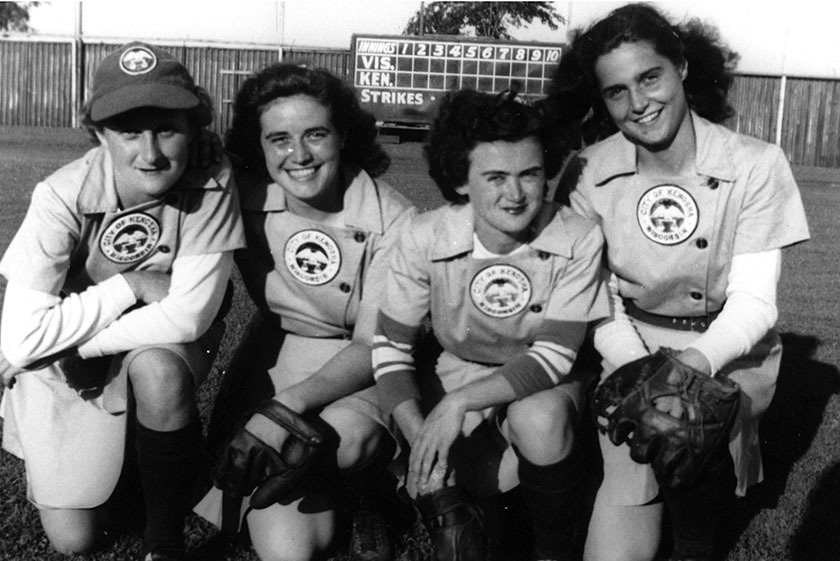
Meanwhile, in softball, Shirley remained one of the best players. In the spring of 1937, she was studying at the University of Illinois and was appointed manager of the girls’ softball team. However, the following summer, she did not participate in the Chicago softball league competition. In the 1938 season, she became a member of Chicago’s top women’s softball team, the Down Draft Furnace Girls. She played her usual position of short right-center fielder. The team was unmatched in Chicago, winning the Metropolitan title and making it to the ASA national championship. The following year, she again qualified for the national championship. However, the team failed to reach the semifinals.
In May 1943, Jameson tried her hand at the professional softball league. Phillip K. Wrigley, chewing gum manufacturer and owner of the Chicago Cubs, believed that with the reduction in the number of league sports games caused by World War II, a women’s professional league, the All-American Girls Professional Baseball League (AAGPBL), could be created. Initially, it was a hybrid of softball and baseball, but in 1944, its representatives changed, and it became a predominantly baseball league. Jameson was part of the initial group of four players chosen by the league.
Shirley turned out to be a powerful hitter and very fast on the base paths. In 1943, she set a league record with 126 stolen bases and was named to the league’s first all-star team. With a .271 batting average, she helped the Comets win the first-half title, but they lost in the playoffs again. The athlete’s stats remained high with 119 stolen bases and a .253 batting average.
End of Career, Legacy
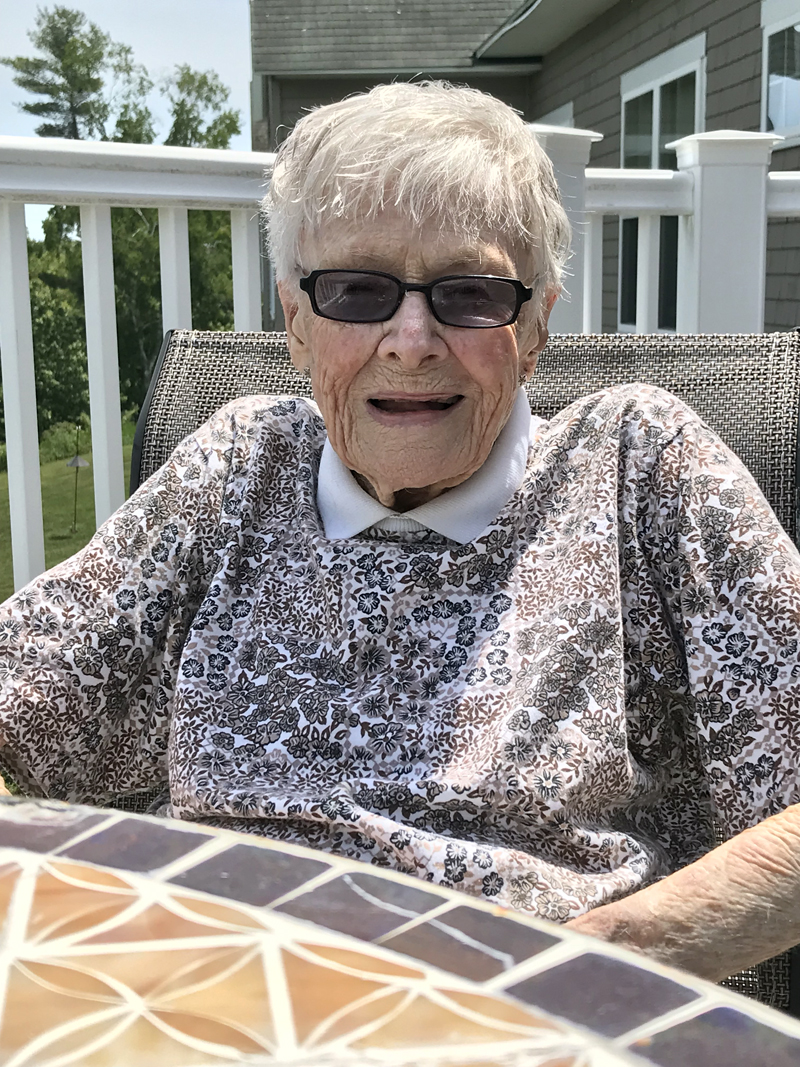
During her first two years with the Kenosha Comets, Jameson taught in the East Dundee, Illinois school system and attended Northwestern University. In 1945, she earned her master’s degree in education and became a physical education teacher at Kenosha High School. Shirley soon left speed skating and then baseball to take up basketball. In 1947, she played for the Kenosha Chocolate Shop Girls team. In 1948, several Wisconsin teams joined together and formed the Industrial Women’s League, in which Jameson played. In 1949, she began playing for a new basketball team, the Metal Parts Girls. This was likely the last season in which Shirley competed. In September 1949, she left Kenosha High School and began teaching at Superior State College in Superior, Wisconsin. She eventually returned to her childhood home in Proviso and, in the 1970s, became the director of Triton College in River Grove, Illinois.
Jameson ended her sports career in 1949. Afterward, she taught physical education at a college and also coached sports teams. The athlete passed away on December 29, 1993. Shirley left behind a great legacy in women’s sports, which can rightfully be called one of the best, having achieved success in speed skating, softball, and professional baseball. Her inner strength and self-confidence allowed her to prove to everyone that desire, effort, and following one’s dreams can help achieve unprecedented heights in any activity. The memory of this great athlete will live on forever.