

Carl Rogers was one of the most renowned American psychologists who pioneered the humanistic approach to psychology and developed a novel psychotherapy approach known as person-centered psychotherapy. Learn more about this remarkable man’s life and accomplishments at chicagoka.com.
Childhood and youth
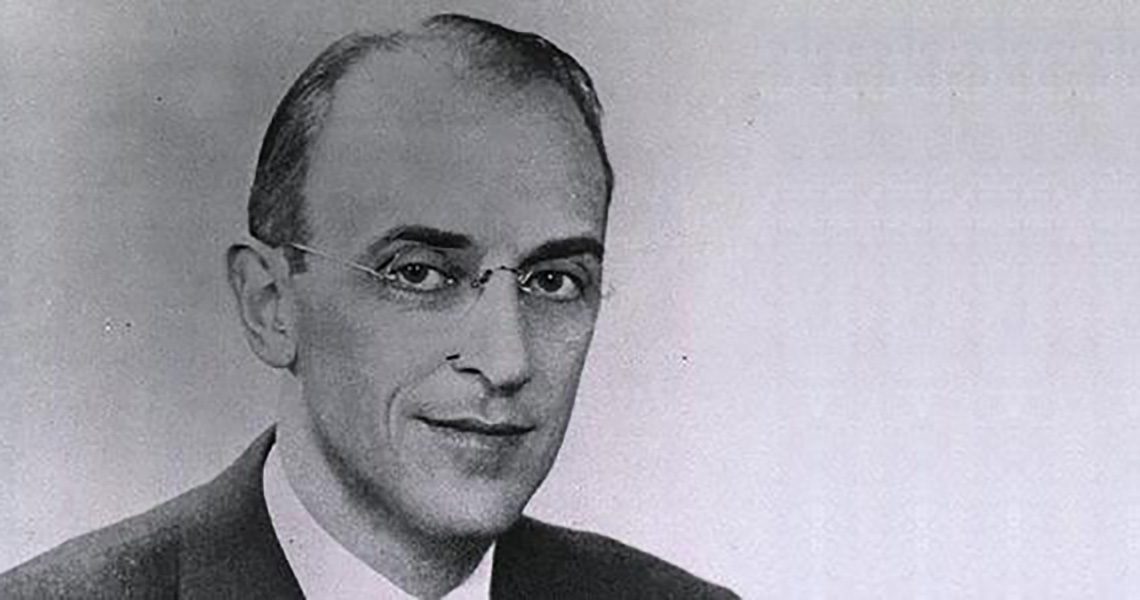
Carl R. Rogers was born on January 8, 1902, in Oak Park, Illinois. His father was a well-known civil engineer, while his mother was a homemaker. Carl was the fourth of six children. The boy excelled in school from a young age. When Carl was twelve years old, his family relocated from the suburbs to a rural farm. In 1919, he enrolled in the University of Wisconsin’s agricultural program. However, after attending a Christian conference in China in 1922, Rogers began to question the career he had chosen. Later, he changed his specialty and aspired to become a priest.
In 1924, Carl earned a bachelor’s degree in history from the University of Wisconsin. He then attended Union Theological Seminary before transferring to Teachers College at Columbia University in 1926, where he acquired a master’s degree. The young man decided not to study theology because of a student seminar that made him doubt his faith. Another motivation for him to pursue a career in psychology was a course he took at Columbia University, which was taught by psychologist Leta Stetter Hollingworth.
Rogers saw psychology as a way to look into and solve a wide range of life problems without adhering to a specific doctrine. He enrolled in Columbia University’s clinical psychology program and successfully defended his PhD dissertation in 1931.
Career development
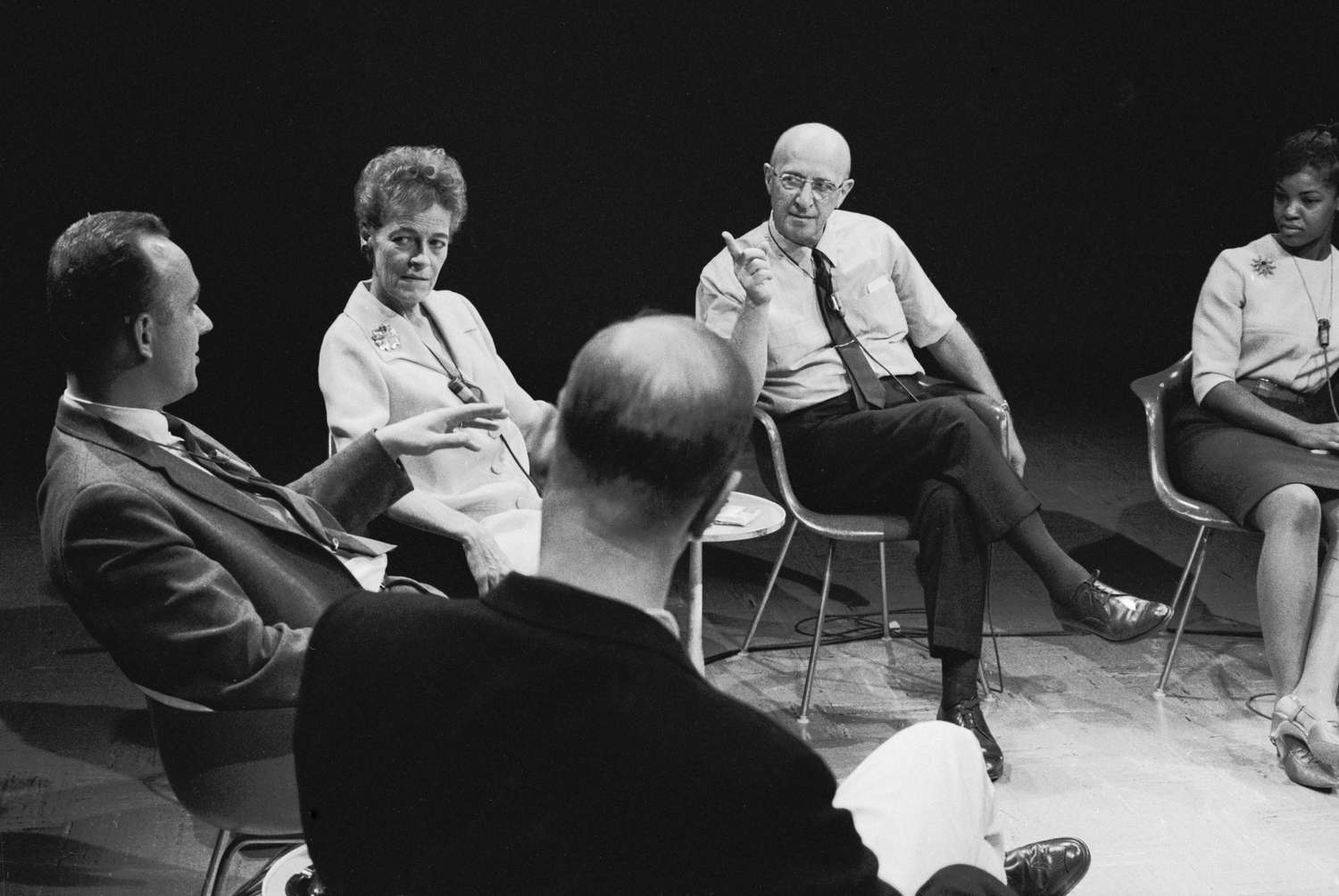
After receiving his doctorate, Rogers spent several years working in academics, including posts at Ohio State University, the University of Chicago and the University of Wisconsin. During this time, he devised a novel therapeutic approach, which was originally known as non-directive therapy. Rogers’ method assumed that the therapist served as a facilitator rather than the instructor of the treatment session, which later became known as client-centered therapy. In 1940, Rogers was offered a position as professor of clinical psychology at Ohio State University. In 1942, he published his first book, “Counseling and Psychotherapy”.
In 1946, Rogers was elected President of the American Psychological Association. Throughout his career, he wrote 19 books and over 200 articles that thoroughly explained his humanistic theory. His most notable works include “Client-Centered Therapy” (1951), “On Becoming a Person” (1961) and “A Way of Being” (1980).
Following some disagreements in the psychology department at the University of Wisconsin, Rogers accepted a post at the Western Behavioral Sciences Institute in La Jolla, California. He eventually left the institution with several colleagues to establish the Center for Studies of the Person.
In the 1970s and 1980s, Carl spent a significant amount of effort introducing humanistic concepts to the international arena, as well as assisting in the resolution of political oppression and national social issues. He traveled to Northern Ireland, South Africa, Brazil and the Soviet Union to give practical seminars on communication and creativity. Together with his daughter Natalie and three other psychologists, Rogers created the Person-Centered Approach Workshops, a series of seminars centered on cross-cultural communication, personal growth, empowerment and learning. In 1987, Rogers received a Nobel Peace Prize nomination.
Person-centered therapy
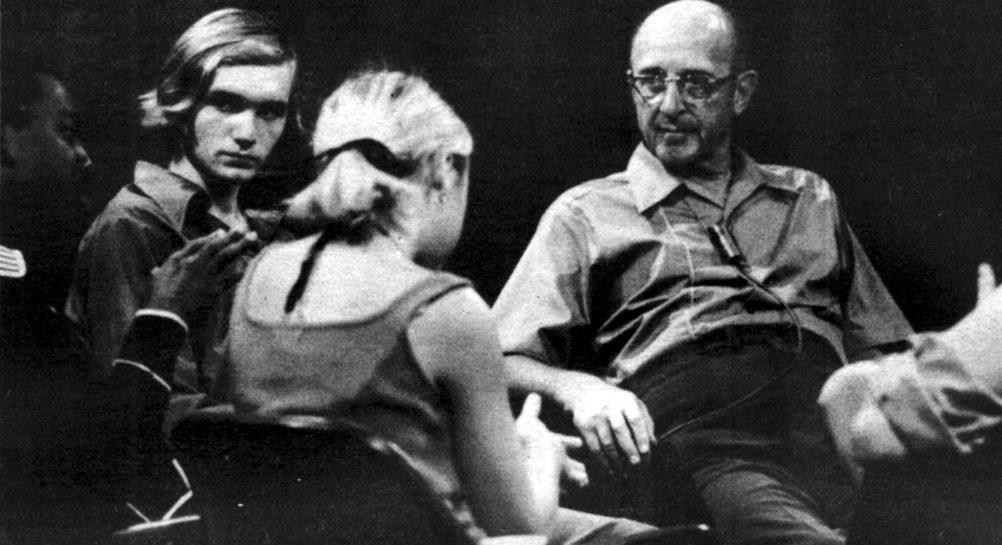
Rogers created his own approach to psychotherapy after becoming disillusioned with the standard methods and procedures employed in Freudian psychoanalysis and other forms of therapy. He soon discovered that he had obtained great results by listening to his patients and allowing them to set the course of treatment.
Some of Rogers’ key theories should be highlighted separately:
- Self-actualization. Carl believed that everyone, starting from childhood, should realize their full potential. According to him, one of the main factors influencing behavior is the need for self-actualization.
- Unconditional positive regard. Rogers believed that in order for psychotherapy to be successful, a psychologist needs to respect the client. This means that the psychologist accepts the patient as he is, allowing him to express both positive and negative emotions without condemnation or reproach.
- Personal development. According to Carl, the development of healthy self-esteem is a continual process influenced by a person’s life experiences. People with a steady sense of self-esteem are more confident in themselves and can effectively deal with difficulties in life.
Rogers also proposed that self-concept emerges during childhood and is greatly determined by upbringing. Parents who demonstrate unconditional love and respect for their children are more likely to help them develop a positive self-concept. Children who believe they must earn their parents’ love develop low self-esteem and feelings of worthlessness.
According to Carl, people frequently tend to have an idea of their ideal self. When the idea of ourselves differs from our ideal self, then incongruity occurs. The only way to achieve congruence is to strive for self-actualization. Like many other aspects of Rogers’ theory, unconditional positive regard is critical in the development of full functioning. Those who receive support and love are most likely to develop high self-esteem and confidence and reach their full potential.
Rogers believed that a fully functioning person should possess the following characteristics:
- Openness to experience
- The ability to live in harmony with others
- Unconditional respect and self-love.
The great legacy of Carl Rogers
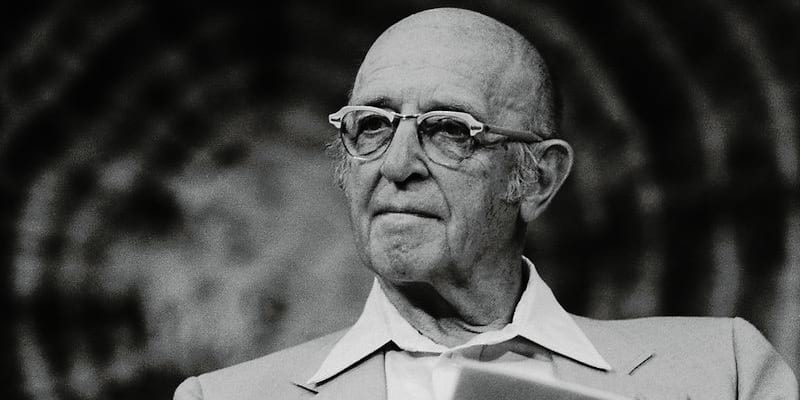
Carl Rogers had a significant impact on psychotherapy, personality theory and education. His enthusiasm for humanistic ideas and optimistic belief in people’s innate goodness contributed to the popularity of his work. Publications, the number of students and honors all indicate the psychologist’s outstanding academic achievements. All of this contributed to Rogers’ status as one of the most influential psychologists of the 20th century.
His person-centered approach provides a framework for group therapy, which Rogers termed the “Basic Encounter Group.” Together with his colleagues, he began experimenting with the concept of large social groups of 300-500 individuals, later expanding to include representatives from many cultures and nationalities. These groups provided Rogers with a framework for conducting seminars based on client-centric principles.
The theories of this brilliant psychologist continue to inspire specialists who work with individuals, couples and families. Additionally, Rogers’ work on experimental learning has had a significant influence on education.
Carl Rogers passed away on February 4, 1987.