

Everyone who has read Lorraine Hansberry’s works is delighted with the interesting and meaningful plots. This talented writer boldly expressed a radical vision of America and the world in her works. Throughout her life, she fought for civil rights, writes chicagoka.com.
Childhood and adolescence
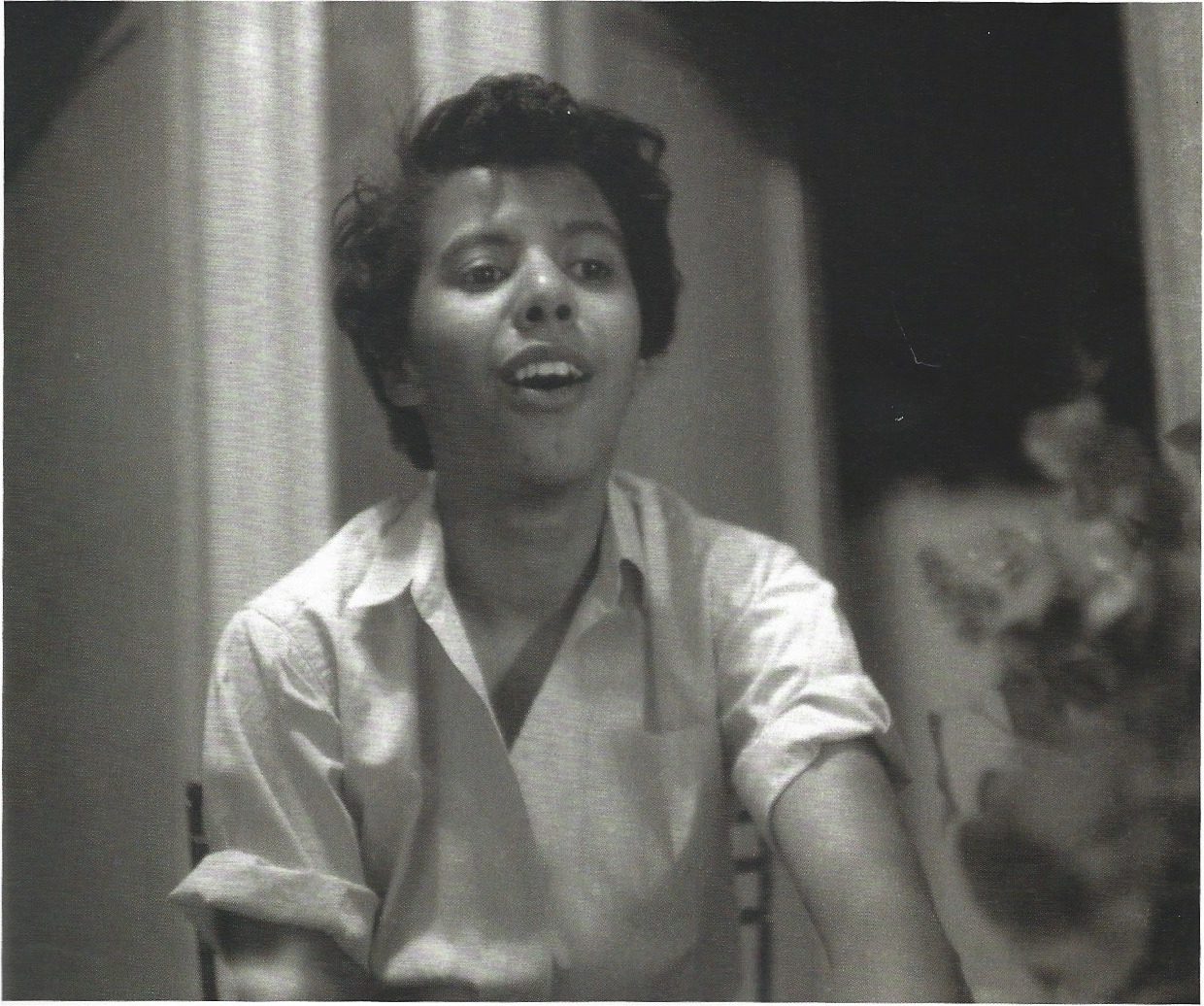
The future writer was born on May 19, 1930 in Chicago. The girl was the youngest of four children in the family. Lorraine’s father was a successful real estate broker and her mother worked as a school teacher. In 1937, the Hansberrys moved to a white area of Chicago with restricted access for African-Americans. There, they experienced segregation. The family was threatened by neighbors who spoiled their property and started fights. When the case reached court, the family was forced to leave the home.
Development of a writing career

After graduating from high school, Lorraine entered the University of Wisconsin-Madison. There, she began to campaign for Henry Wallace’s Progressive Party. Hansberry immersed herself in the peace and freedom movement, marching on picket lines and studying African history. In her second year, the girl left the university and moved to New York. There, she began attending the New School for Social Research. Then, she got a job at the Freedom newspaper as a writer and assistant editor. On weekends, she worked as a waitress. In 1956, Lorraine quit her job and decided to devote herself to writing. In 1957, she joined the organization Daughters of Bilitis and wrote articles about feminism and homophobia in their magazine The Ladder.
Hansberry’s greatest success came after writing the play The Crystal Stair, in which she told about the difficult fate of an African-American family in Chicago. She renamed it A Raisin in the Sun. On March 11, 1959, it was played at the Ethel Barrymore Theatre. It was the first play staged on Broadway by an African-American. Thus, at the age of 29, Lorraine became the youngest American woman to receive the New York Film Critics Circle Award.
The play A Raisin In The Sun became an American classic, published and staged in more than 30 languages abroad and throughout the country. In this work, the writer told the whole truth about the life of African-Americans. The play brought a new black audience to the theater and opened the door for a whole generation of artists, writers and performers. The seemingly simple story of a black family’s refusal to sacrifice their human dignity to please a racist society contained many themes and levels of the revolution in the African-American consciousness that quickly erupted in the 1960s. It touched on topics of black identity, power and liberation.
In 1953, Lorraine met Robert Nemiroff, a Jewish songwriter. They married but divorced after nine years. Her ex-husband remained Hansberry’s best friend and confidant throughout her life.
A great legacy
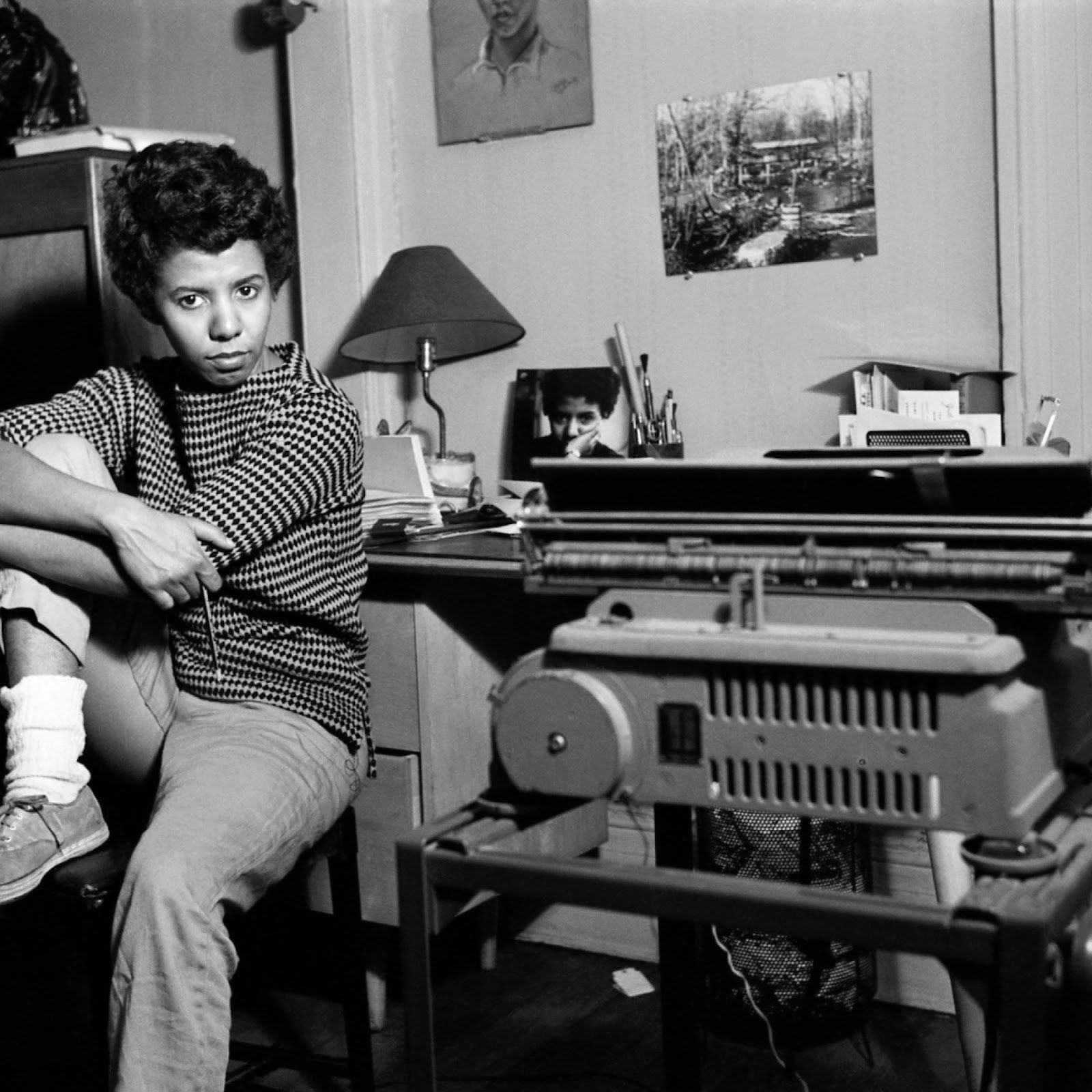
The writer died on January 12, 1965, after a long battle with pancreatic cancer. After her death, her ex-husband edited and published three unfinished plays by Hansberry: Les Blancs, The Drinking Gourd and What Use Are Flowers?. He also managed to collect the works and diary entries and present them in an autobiographical film.
The longest play, To Be Young, Gifted and Black: A Portrait of Lorraine Hansberry in her Own Words, was filmed and recorded. It was also broadcast on television and published as a book. The last play, Les Blancs, was presented posthumously on Broadway and received positive reviews from critics.
Lorraine Hansberry, who participated in the historical and liberation movements of her time, left a great legacy of commitment to the struggle of disadvantaged and affected African-Americans.