

Prostitution flourished in Chicago from the time it was founded. Most men used this service, which in the mid-19th century, existed in special salons, apartments and boarding houses located in downtown Chicago. As the city developed, brothels were gradually pushed south, writes chicagoka.com.
Sins undercover
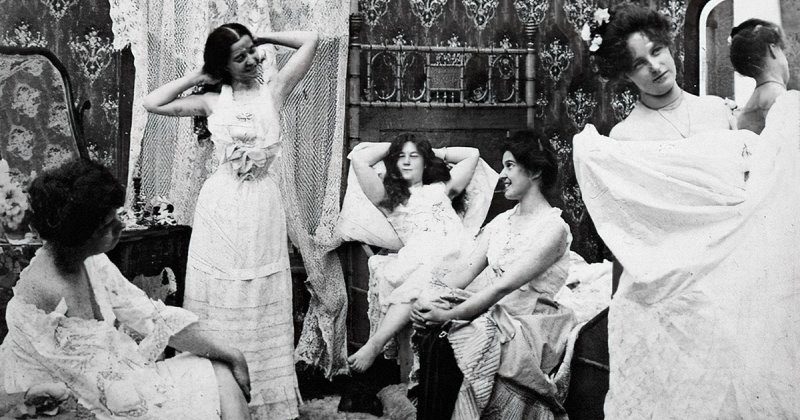
Prostitution was never legal in Chicago. The famous Levee district was a place where brothels, gambling halls and bars were located. The townspeople and the police tolerated and ignored the riots that took place there. Organized crime controlled the large and highly profitable illegal establishments in this area, bribing the police and officials. Periodic efforts to reform this area received wide publicity. However, they did not have the desired effect. The income and employment provided by these enterprises were very important, especially during times of economic difficulties.
The fight against prostitution in Chicago
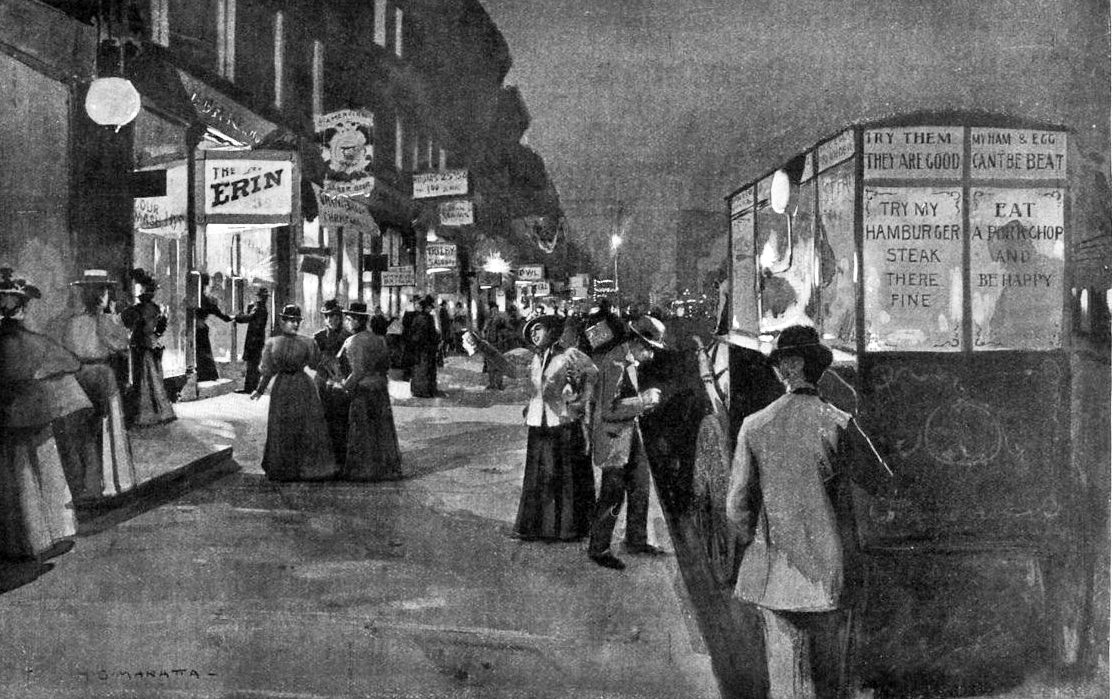
The most extensive reforms aimed at combating prostitution were carried out in 1911-1912 after the election of Chicago mayor Fred A. Busse and the creation of the Vice Commission. Throughout this period, an active fight against prostitution, syphilis and drunkenness began, which were inextricably linked.
Prostitutes no longer worked in brothels. They moved to cabarets, nightclubs and other similar establishments that were common in Chicago in the 1920s. Many brothels, fearing punishment and closure, were forced to change their location and move to the growing African-American community on the south side of the city. During this period, many brothel owners collaborated with influential clients to ensure their protection from police. In the 1920s, brothels were most often opened in the suburbs. There, law enforcement agencies found it difficult to control their work.
A brothel for the elite
In 1900, in the Levee district, sisters Minna and Ada Everleigh opened the most luxurious and popular brothel the city had ever seen. The Everleigh Club was often visited by politicians, princes and other influential people. Men not only received sexual services but also enjoyed delicious chocolates, pastries, expensive seafood and luxurious dishes. There was also plenty of alcohol.
The sisters lived on the premises of the brothel together with thirty employees. Clients were served in 50 well-appointed rooms. Ada recruited young girls, barely 18 years old, from all over the country for her club. Before working at the establishment, candidates had to undergo a medical examination and complete etiquette courses. For a night with a beautiful girl, visitors paid $50.
It seemed that the business was flourishing and brought a lot of income to the owners. However, they had to close the brothel. Once, Ada ordered an advertisement in the newspaper, indicating the services of the institution. She attracted the attention of city officials, who did everything to close it. In October 1911, the sisters threw a farewell party. The next day, they left Chicago with assets of more than $1 million.
In the last decades of the 20th century, institutions associated with prostitution were again introduced into the urban landscape. In the early 1970s, massage parlors and bars joined the street trade in such areas as Rush Street and Wall Street. In the late 1970s and 1980s, urban redevelopment transformed these sex hotspots into areas with expensive condominiums, upscale restaurants and shops. Gentrification pushed prostitutes off the streets in the 1990s. However, prostitution continued to flourish.