

Clothing, traditionally sewn at home or by custom tailors, began to be produced commercially in the early 19th century. In Chicago, this industry grew rapidly after the Great Fire of 1871 and remained one of the city’s most dynamic sectors until the Great Depression, writes chicagoka.com.
The Beginning of Garment Production
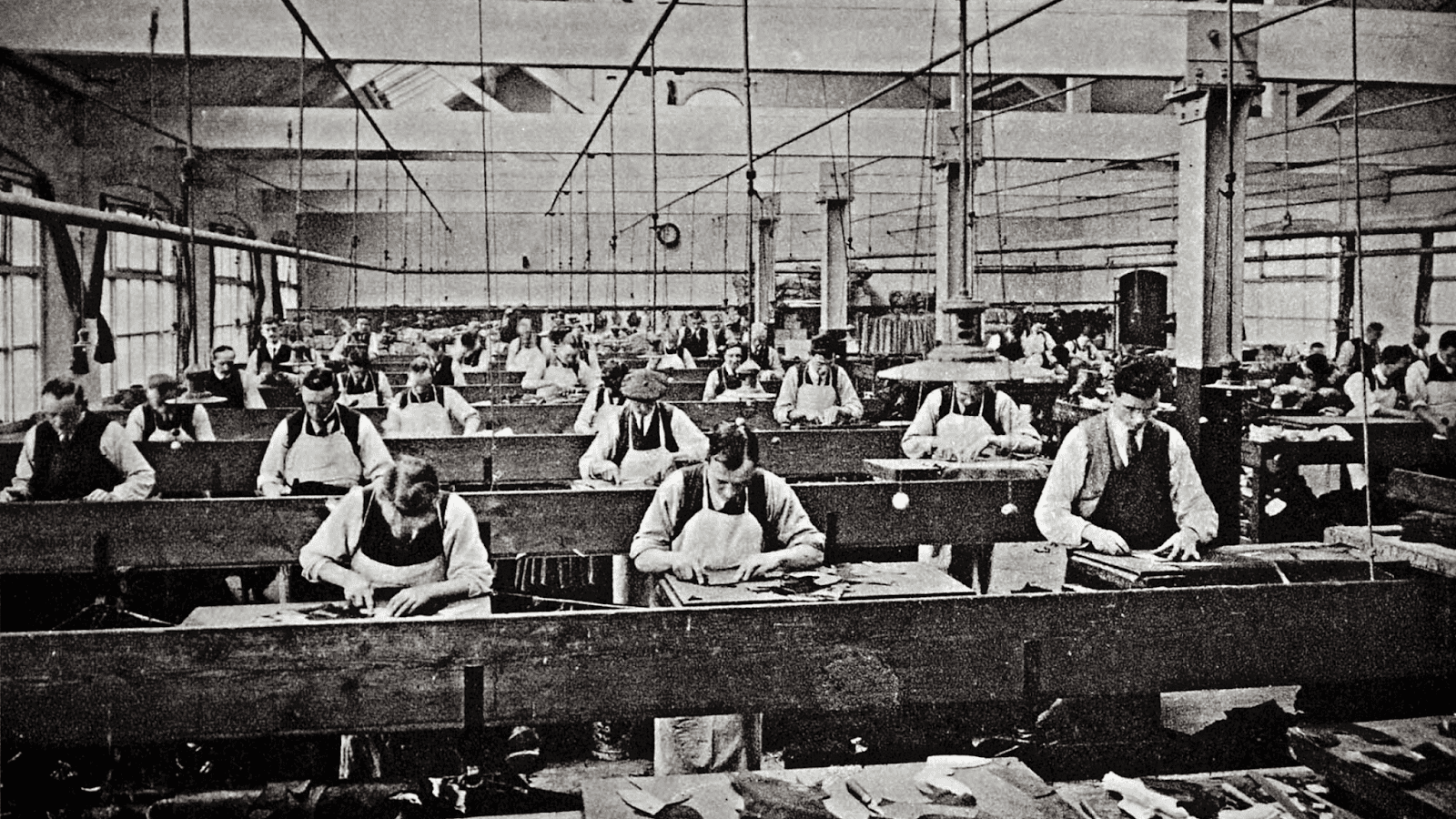
Beginning in the 1860s, the city’s men’s clothing merchants hired tailors to produce ready-to-wear garments for their stores. The industry expanded in the following decade, as merchant-manufacturers like Harry Hart and Bernard Kuppenheimer began producing suits and workwear, selling them throughout the Midwest and the South. During these years, women’s apparel manufacturing was also added to the garment industry. Chicago became increasingly involved in nationwide competition, which led to the rise of the sweatshop system in the 1880s. Manufacturers started working with contractors and subcontractors, who often opened small shops in the city’s poorest neighborhoods, particularly on the Near West Side, and hired immigrants for difficult work at low wages.
The Growth of the Garment Industry
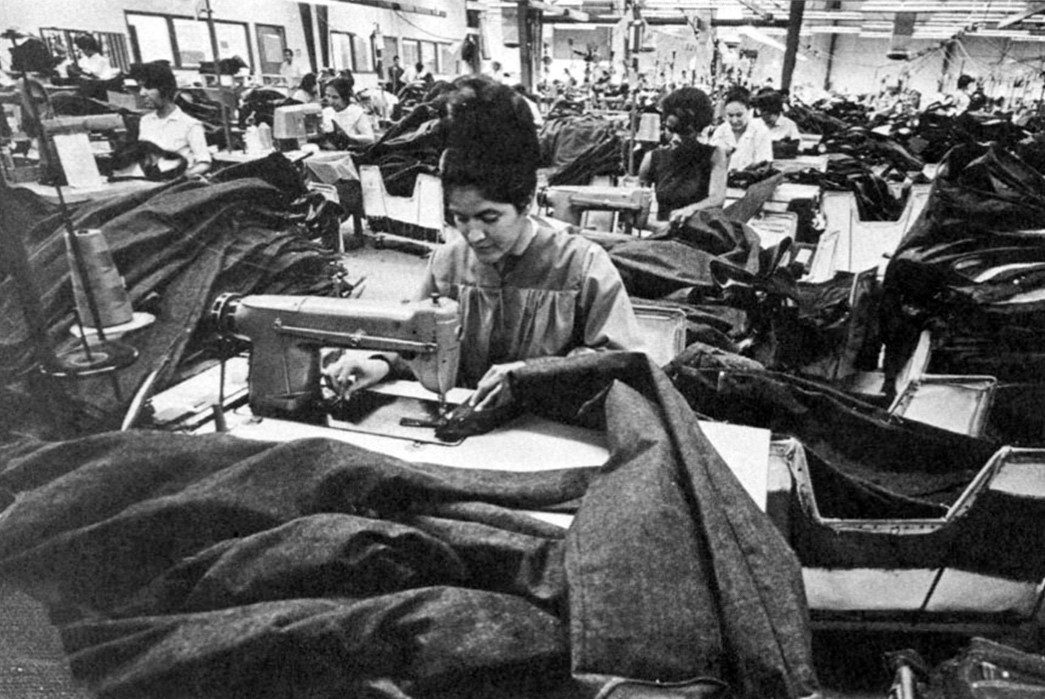
In the early 1890s, city reformers launched a campaign against the sweatshop system, not only in Chicago but across the country. By that time, however, the factory system had already begun to take hold in Chicago. Seeking an edge over new competitors from New York and Philadelphia, manufacturers began producing higher-end clothing using quality materials. They opened large factories where each worker specialized in just one part of the production process, mastering their task. They also aimed to popularize ready-to-wear clothing among consumers through national advertising. A pioneer in this field was Joseph Schaffner of the Chicago firm Hart, Schaffner & Marx, which grew into a giant in the early 20th century, employing 8,000 workers and leading the U.S. garment industry.
These efforts, aimed at the emerging urban middle class, led to industrial expansion. By the end of the century, Chicago had become the nation’s second-largest center for men’s clothing production, accounting for approximately 15% of the country’s total output. New York, as the fashion capital, dominated women’s apparel, attracting numerous small shops and producing 4.5 times the national volume. Chicago, with only 4% of the women’s market, focused on cloaks and suits and established only a few large factories for sewing.
Labor Relations
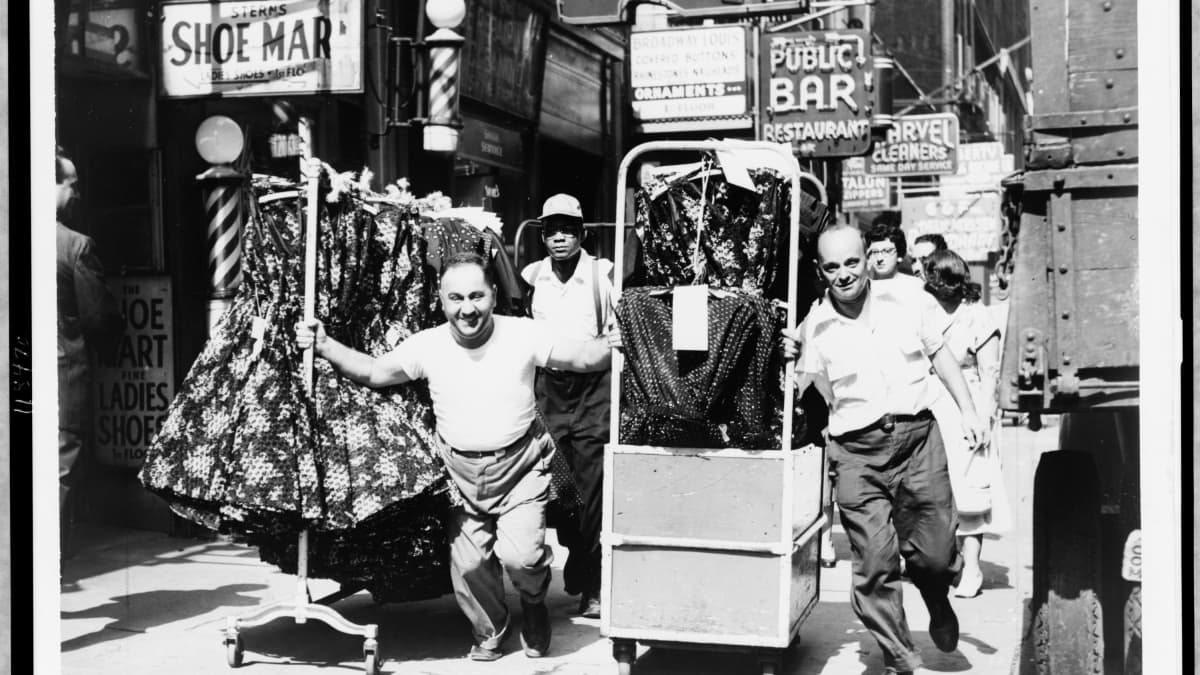
Although the factory system never fully replaced sweatshops, it gave rise to modern labor relations. Chicago’s workforce was characterized by its ethnic diversity, including large numbers of Swedes, Czechs, Poles, Lithuanians, Jews, and Italians. The labor force was divided by gender and skill. Women made up the majority in the workshops but lacked access to high-paying jobs. The cutters, mostly of German and Irish descent, looked down on the tailors. However, the factories, located mainly near immigrant settlements in the Northwest and Southwest Sides, helped workers build strong social networks and engage in collective action. In the men’s clothing industry, a general strike involving over 40,000 workers that lasted 14 weeks in 1910-1911 spurred the creation of a local immigrant workers’ union. In 1914, the Amalgamated Clothing Workers of America (ACWA) was founded. Under the leadership of Sidney Hillman, it fully organized Chicago by 1919 and claimed 41,000 members the following year. The International Ladies’ Garment Workers’ Union (ILGWU) helped the city’s smaller unions form a joint board in 1914, which launched organizing campaigns and soon secured a citywide agreement with employers.
Decline of the Garment Industry
The mid-1920s marked a high point. After gaining a larger share of the national market and stabilizing labor relations through collective bargaining, Chicago’s garment industry faced new challenges. Men began seeking cheaper clothing, spending more of their money on cars, radios, and other goods. Women’s fashion shifted toward dresses, skirts, and coats over suits. Manufacturers became less interested in technological innovation than in securing concessions from the unions. As a result, large menswear firms tried to maintain sales by integrating retail outlets, while smaller ones relocated to non-union towns in the Midwest.
By the late 1920s, Chicago’s garment industry was in decline, a trend that was intensified by the Great Depression. The New Deal revived women’s apparel manufacturing, government orders for military uniforms boosted men’s clothing, and post-war prosperity brought temporary benefits to many. However, manufacturers soon began leaving Chicago, with many relocating to the South where labor costs were lower. This low-cost production model catered to Americans who were spending less on clothing than on homes and appliances. Lower costs also helped them compete with imports, especially from low-wage countries in Northeast Asia, which were capturing an ever-larger share of the American market. By the mid-1970s, only 7,000 workers remained in Chicago’s garment industry. Few manufacturers attempted to integrate men’s and women’s apparel production or experiment with new technologies like laser cutting or programmable sewing.