

Ruth Page was a talented dancer who was able to become famous all over the world. This woman made a great contribution to the development of dancing area in Chicago. Learn more about how she did it on chicagoka.com.
A dancer since childhood
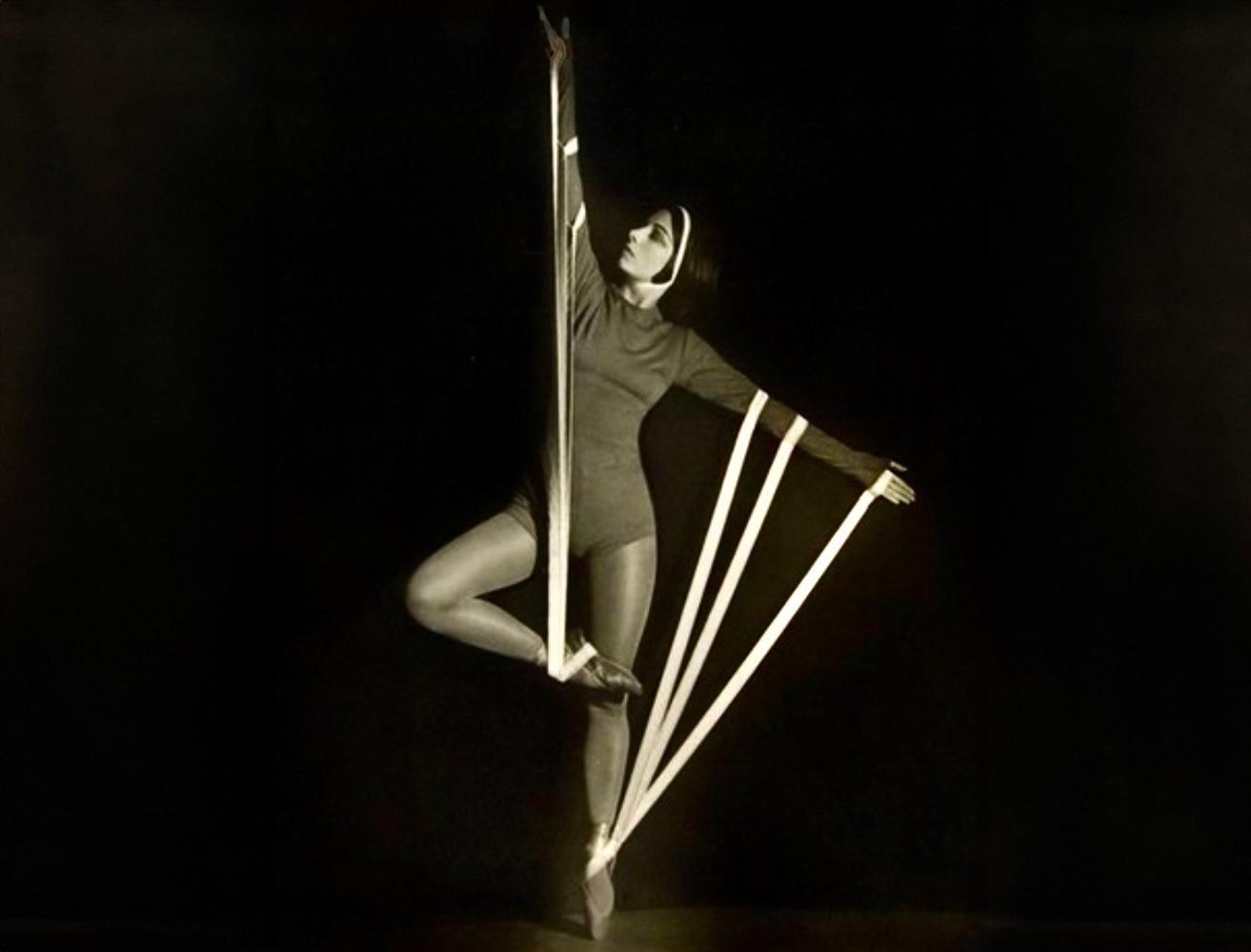
The future dancer was born in Indianapolis in 1899. The girl’s father was an honored neurosurgeon and her mother was a pianist. Ruth showed a love for dancing and music from an early age. Seeing this, her parents sent their daughter to study dancing. In 1918, the girl danced in Anna Pavlova’s group. Then, Page began a fruitful collaboration with Adolph Bolm, a dancer of Russian origin who lived most of his life in the US.
In 1919, she danced the title role in the production of The Birthday of the Infanta. There, she was noticed and became a member of the Bolm ballet.
Professional development
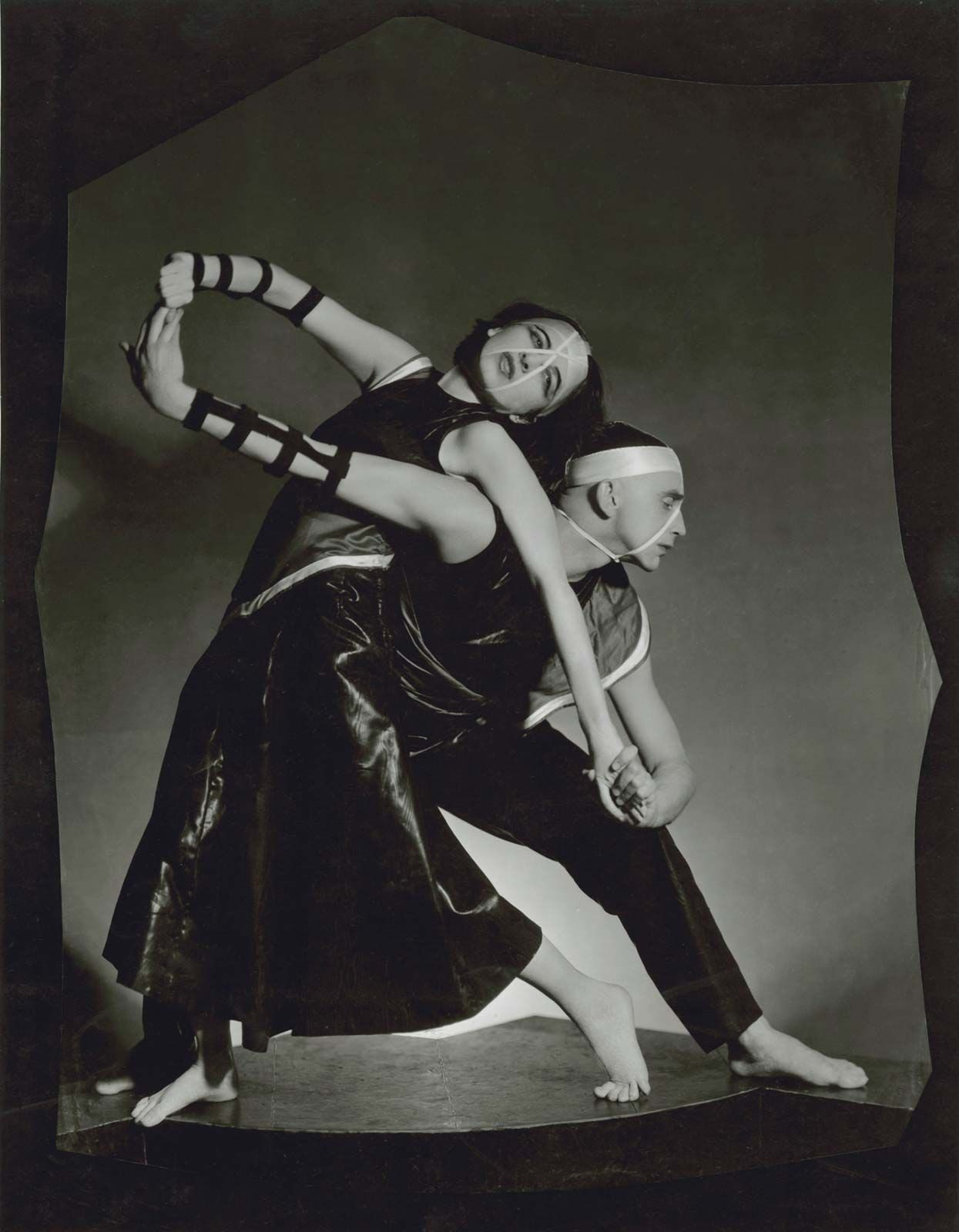
In 1920, Page’s career began to develop actively. She danced all over the world and began to try herself at choreography. For two years, she was a prima ballerina in a series of musical theater productions Music Box Revue by Irving Berlin in New York. She also danced for Allied Arts, under the direction of Bolm. In 1925, she collaborated with Diaghilev.
Soon, Page went to Monte Carlo. There, she began to study with Enrico Cecchetti. Then, she joined the Ravinia company. In 1928, Ruth was invited to dance at the enthronement ceremony of Emperor Hirohito. In the 1920s and 1930s, she toured extensively in Asia and Europe. Ruth gave a series of solo concerts in Moscow in 1930. Then, she toured the US with impresario Kreutzberg.
In 1925, Ruth’s life changed dramatically. She married a wealthy lawyer and moved to Chicago. There, she staged The Flapper and the Quarterback. Thus, she became one of the first choreographers to introduce important American topics into ballet. She combined classical dance and other options, making important social notes.
The dancer was respected by political and artistic figures around the world and was invited to major events.
From 1934, she was prima and director of the local Opera Company. At the same time, she directed projects of the Federal Theatre and went on tour in South America. Her own ballet company existed until 1946 and gave performances both local and abroad. In 1954, she headed the Lyric Opera of Chicago.
Ruth Page’s great achievements
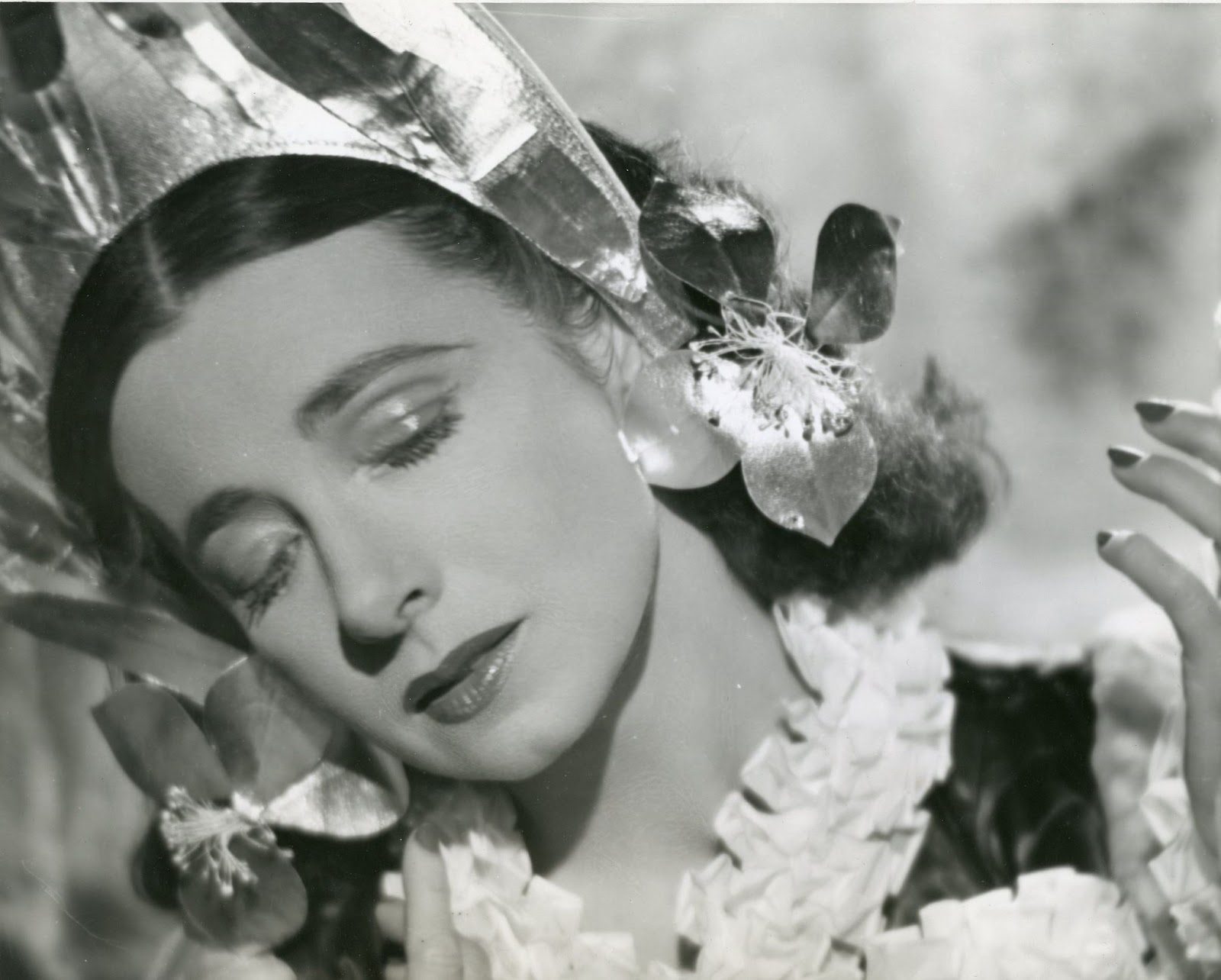
This woman’s contribution to American art goes far beyond her career. She helped many aspiring artists. She is the author of a book of essays about her career. She also developed a foundation dedicated to dance, which managed the local library, school and theater.
For her achievements, she was awarded numerous prizes. Page died on April 7, 1991, leaving behind numerous unique choreographic works. Among the most popular were Revanche (1951), Villa (1953) and Die Fledermaus (1985). The dance school that she opened in 1971 was renamed the Ruth Page Center for the Arts. It still continues the dancer’s legacy. One of the streets in Chicago is named in honor of this great woman.