

Margaret Taylor-Burroughs was a well-known figure not only in Chicago but far beyond its limits. She was a talented artist, writer and co-founder of the DuSable Museum of African American History. Burroughs made a significant contribution to the development of fine arts and literature. Learn more at chicagoka.com.
Adolescent years and teaching career
Margaret Taylor-Burroughs was born in 1915 in Louisiana. Her father worked as a handyman at a railway warehouse. In 1920, her family relocated to Chicago. There, Margaret attended Englewood High School and was in the same class as the great poet Gwendolyn Brooks.
In 1937, Margaret received a teacher’s degree, and two years later co-founded the South Side Community Arts Center (SSCAC). The center was established as part of the Franklin D. Roosevelt Program. Since its foundation, SSCAC has greatly contributed to the development of art and culture. It also functioned as a gallery and studio for exhibiting works by African-American artists. At the age of 23, Margaret became the youngest member of the board of directors.
In 1946, Burroughs earned a degree in art education from the School of the Art Institute and a master’s degree from the same institution in 1948. From 1946 to 1969, she held the position of a teacher at DuSable High School in Bronzeville. Later, she became a professor of humanities at Kennedy-King College in Inglewood. In the early 1950s, Burroughs worked hard to establish the Lake Meadows Art Fair in Chicago.
In 1985, Mayor Harold Washington appointed her commissioner of the Chicago park district, and she held the post until 2010.
Artistic career
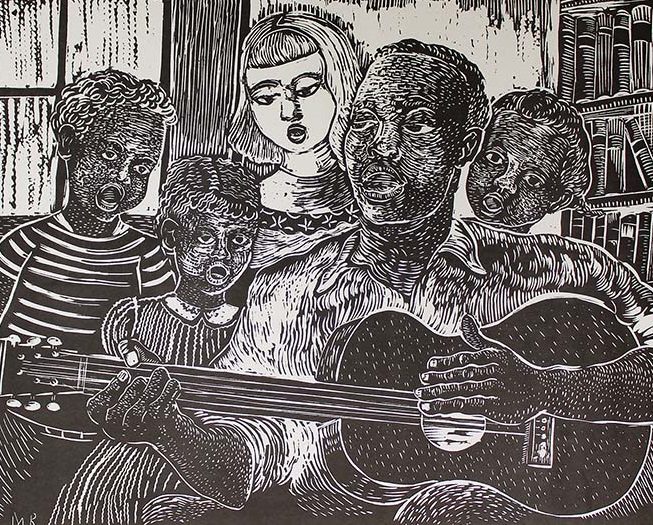
The artist’s most popular work of art is the linocut “Birthday Party”, which depicts children. The painting represents the artist’s belief that skin tone is a minor difference between people.
Many of the artist’s works feature people with half-black and half-white faces. Burroughs’ artwork “The Faces of My People” depicts five individuals looking at the viewer. In this work, the artist attempts to bring African-American society and white people together, highlighting the barriers that prevent this from happening.
Great contributions
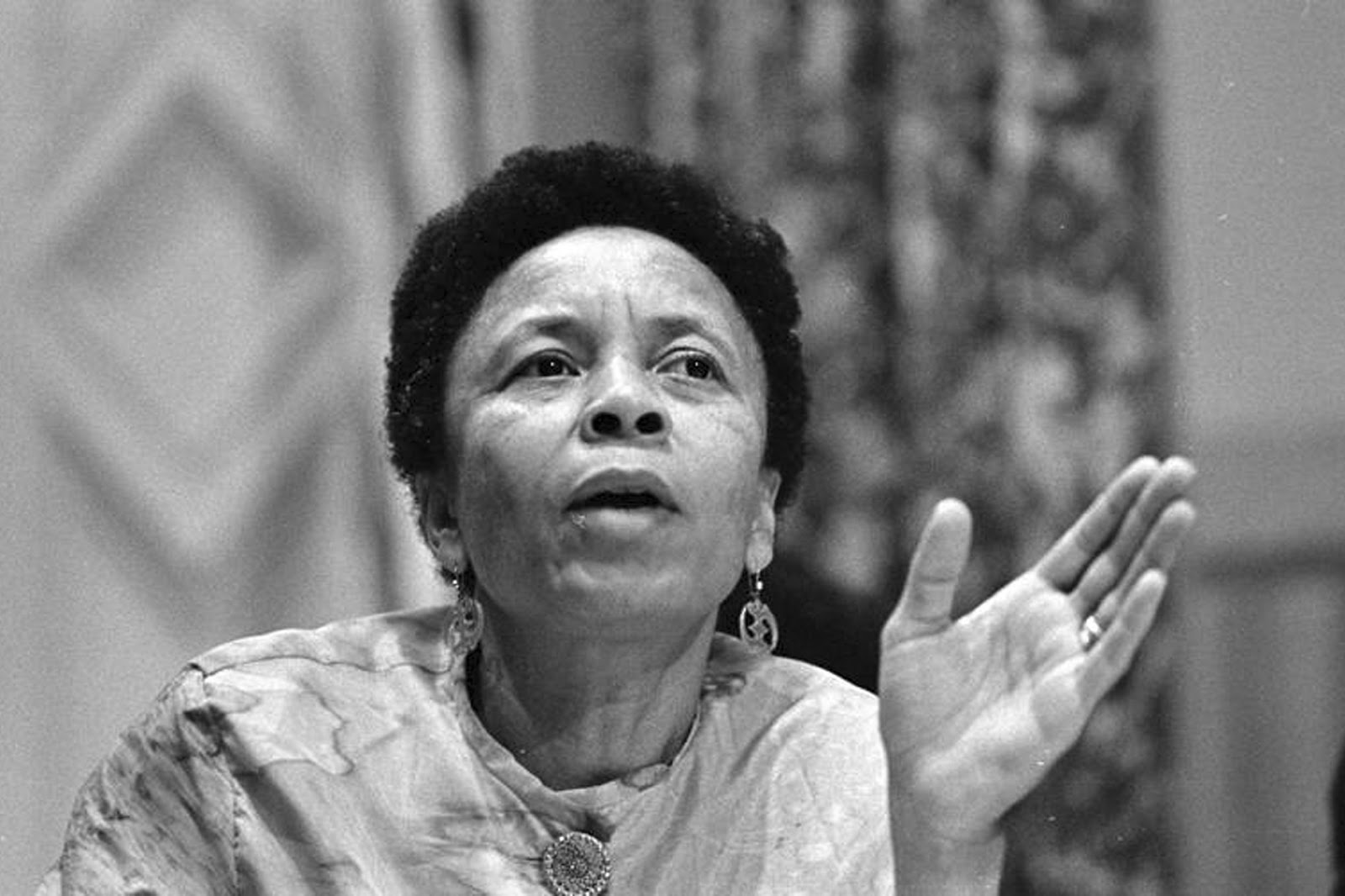
In addition to being a teacher, poet and artist, in 1961, Burroughs and her husband Charles managed to establish the DuSable Museum of African American History. It was previously known as the Ebony Museum of Negro History and Art. The museum was situated in the living room of the Burroughs House. It was founded with the goal of studying and preserving African American culture, which was previously disregarded by other museums.
In 1968, the museum was renamed in honor of Jean Baptiste Point du Sable, the first African-American to settle in Chicago. In 1973, the museum relocated to the empty Washington Park administration building, where it remains today.
The DuSable contemporary museum is regarded as the center of African-American culture and history in the United States.
Not only did Burroughs establish cultural organizations in Chicago, but she was also a talented poet and artist. According to the Poetry Foundation, she made both sculptures and paintings. Mostly, she engraved images of prominent black people on linoleum. Some of her works are housed at the Art Institute.
This remarkable woman established herself as a skilled poetess. One of her successful works was “What Shall I Tell My Black Children?” This poem was written in 1963 from the perspective of a black mother who is concerned about raising her children among white people. Burroughs also composed a poem called “Chicago, I Love You!”
Margaret Burroughs died in 2010, leaving behind cultural institutions and works that are the pride of Chicago.
In 1994, SSCAC, which Burroughs created, was recognized as a Chicago official historic landmark. The DuSable Museum is likewise an important asset to the city.