

Gwendolyn Brooks was one of the most prominent American poets of the 20th century. She wrote over 20 great books and was the first African-American poet to win the Pulitzer Prize. Brooks held the position of Illinois Poet Laureate for 32 years. Find out more at chicagoka.com.
Writing since childhood
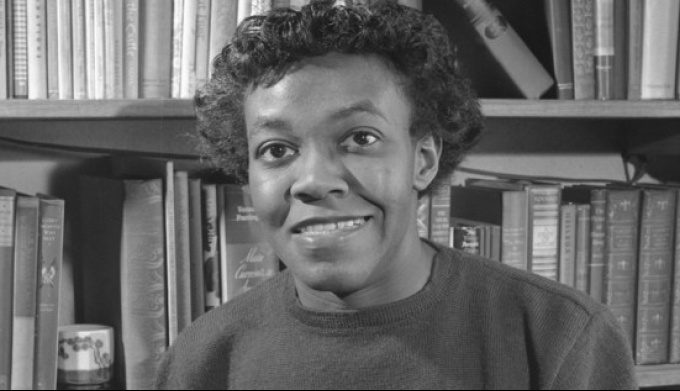
Gwendolyn Brooks was born on June 7, 1917, in Topeka, Kansas. Her mother was a teacher, and her father was a janitor. When Gwendolyn was six years old, the family relocated to Chicago. Here, the girl started elementary school and then transferred to Hyde Park High School, a prestigious integrated high school. After 4 years of studying there, Brooks completed her education at integrated Englewood High School.
Brooks had a love of literature from an early age. Parents were very supportive of their daughter’s interest in reading and writing. At the age of 13, Gwendolyn published her poem “Eventide” in the children’s magazine American Childhood. By the age of 16, she had written and published approximately 75 poems.
When Gwendolyn was 17, she applied to be the correspondent of the poetry column “Lights and Shadows” in the African-American newspaper Chicago Defender. However, the attempt was unsuccessful since she was rejected. Following that, Brooks worked in a variety of positions and eventually started working as a typist.
In 1941, the young writer actively participated in poetry seminars. One of the most significant events of her career was organized by Inez Stark.
Brooks’ poems quickly became popular among the public. In 1943, she received a poetry award from the Midwest Writers Workshop.
Career development
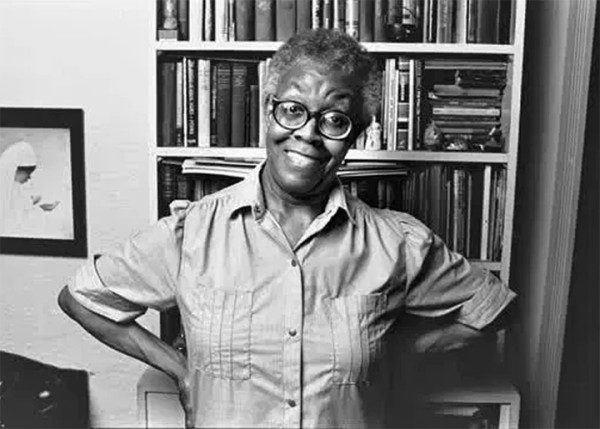
Brooks’ debut collection, “A Street in Bronzeville,” was published in 1945, receiving positive reviews from critics. This work brought the author unprecedented popularity, earning her the Guggenheim Fellowship and other awards. In 1949, the writer published her second book, “Annie Allen”. For it, she received the Pulitzer Prize in Poetry.
In 1950, Brooks published her only novel, “Maud Martha”.
The rest of her work was devoted to politics, in which she openly addressed racial discrimination and infringement of the rights of African Americans.
She worked for Columbia College in Chicago, Chicago State University and Northeastern Illinois University. At the same time, Gwendolyn continued to write and publish.
In 1960, she released her third collection of poems, “The Bean Eaters,” which includes her favorite work, “We Real Cool.” It explores issues of youth, rebellion and morality. In 1968, the writer published a collection of poems “In the Mecca”, which was nominated for the National Book Award for poetry.
In 1962, John F. Kennedy, the 32nd president of the United States, invited Brooks to participate in the Library of Congress poetry festival. Since then, she started teaching a creative writing course.
In 1985, the writer was appointed as the Consultant in Poetry to the Library of Congress.
In recognition of her outstanding work, Gwendolyn Brooks was inducted into the National Women’s Hall of Fame. In 1994, she presented the Jefferson Lecture, which was the greatest honor for American writers and poets.
In 1995, Brooks received the National Medal of Arts. In addition to multiple awards and distinctions, Gwendolyn received over 75 honorary degrees from colleges and universities around the world.
Gwendolyn Brooks was able to accomplish such remarkable success thanks to her love of literature.
The famed poetess died of cancer in 2000, leaving behind a rich literary legacy.