

Clothing made at home by custom tailors was first commercially manufactured in the early nineteenth century. Since 1871, Chicago’s clothing industry has developed quickly and has long been one of the most dynamic. Find out more at chicagoka.com.
The first tailoring workshops
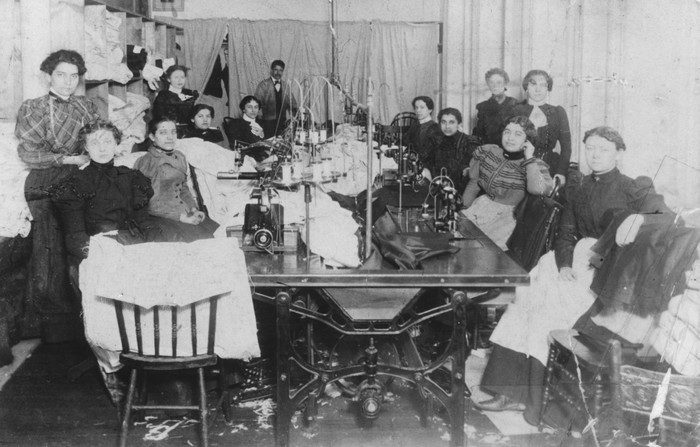
Beginning in the 1860s, the city’s male clothing merchants established workshops where tailors were invited to work or engaged in tailoring on their own. Over the next decade, the industry grew. Famous Chicago merchants Harry Hart and Bernard Kuppenheimer specialized in tailoring suits and work clothes, selling them throughout the Midwest. At that point, production of women’s apparel began.
Due to increased competition among tailors, in 1880, the city introduced the sweating system, a unique method of production that allowed for the exploitation of cheap labor. There were many unemployed individuals in Chicago and a continuous flow of immigrants who were forced to labor 18 hours a day in very poor hygiene conditions for a low fee. The workshops that used this form of production were situated on the West Side.
In early 1890, the city’s reformers began a campaign against the sweating system in the workshops.
The evolution of tailoring
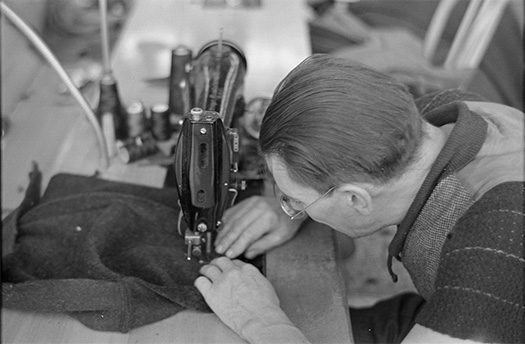
Soon, a factory system for clothing production was established in Chicago. To get an advantage over their competitors in New York and Philadelphia, manufacturers began producing better clothing made of reliable materials.
Large factories were established in the city, where each worker had their own place in the production process. In order to lure customers to their product, manufacturers placed advertisements.
Joseph Schaffner was a pioneer in the clothing business. He owned Hart, Schaffner & Marx, a company that grew into a massive menswear manufacturer in the early 20th century. It employed 8,000 tailors and swiftly rose to become the leader of the clothing industry in the United States.
In the late twentieth century, Chicago became the second-largest producer of men’s clothes. The factories’ output accounted for almost 15% of the country’s total production. New York, as a fashion center, dominated the tailoring of women’s apparel.
Chicago soon developed an effective employment relationship. Chicago’s workforce was ethnically diverse, including Swedes, Czechs, Poles, Jews and Italians.
The labor force was separated according to gender and qualification. Women usually worked in workshops and were unable to obtain high-paying jobs. Tailors of German and Irish origin despised other tailors. However, factories in the Northwest and Southwest allowed workers to engage in close collective action.
Between 1910 and 1911, a strike broke out at the majority of Chicago’s factories and workshops that manufactured men’s clothing. It prompted the formation of a local trade union for emigrant workers.
1914 saw the establishment of the Amalgamated Clothing Workers of America (ACWA). Also, the International Ladies’ Garment Workers’ Union (ILGWU) provided assistance to small local factories producing women’s clothes.
Negative changes
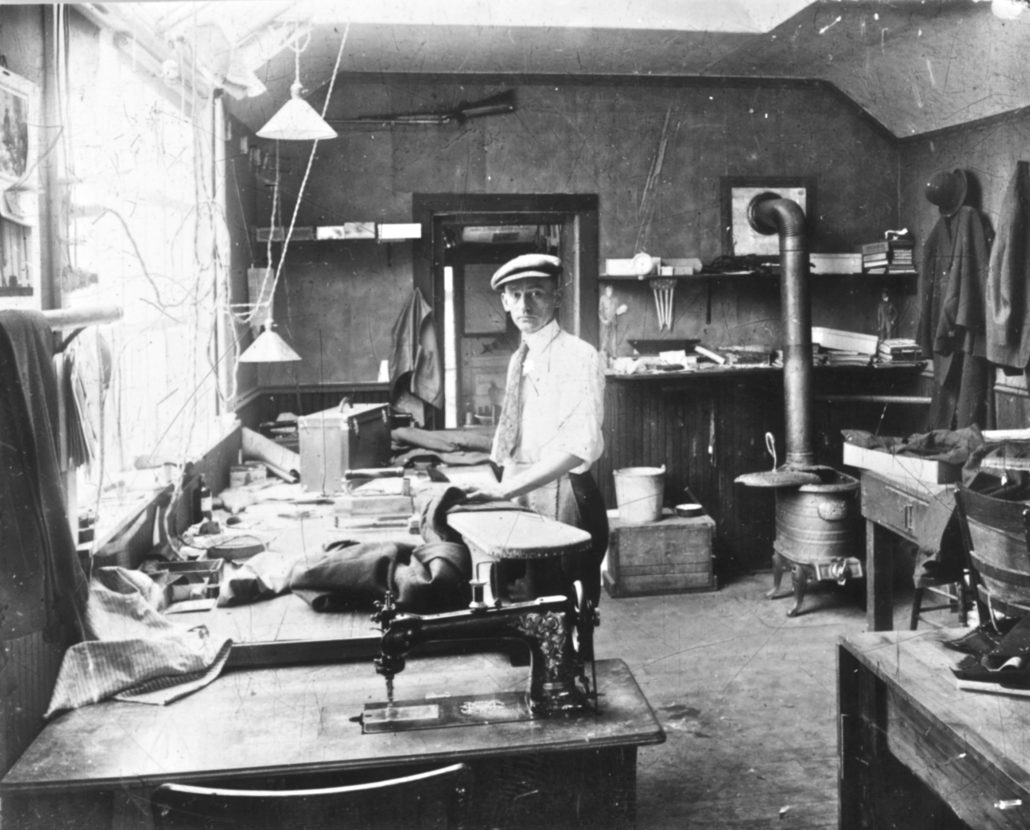
In the mid-1920s, labor relations in Chicago stabilized, and the city gained a larger share of the national market. However, the Chicago clothing business encountered new challenges.
Men were looking for cheaper clothing while spending more money on equipment and cars. Women loved dresses and tailored coats, and frequently wore suits. Manufacturers were not particularly interested in technological innovation.
By the end of 1920, Chicago’s clothing industry was in decline, and the Great Depression had only made things worse. The new course revived the production of women’s clothing. Men’s clothing manufacturing has expanded as a result of state orders for tailoring military uniforms.
Soon, manufacturers began to depart the city, with many settling in the South, where labor prices were much lower. In 1970, Chicago had only 7,000 garment workers. A few factories that remained in the city attempted to merge the manufacturing of men’s and women’s apparel while also experimenting with new technologies such as laser cutting and programmable sewing.