

Annette Rogers is a world-class sprinter and a two-time Olympic champion in the 4×100 meters relay in the national team. Rogers made a significant contribution to the development of track and field athletics and showed the world that women are capable of many things, writes chicagoka.com.
Annette was one of the best track athletes in Chicago during the interwar period. Her career was an excellent example of how the city’s private clubs trained world-class athletes.
Childhood and youth of the athlete
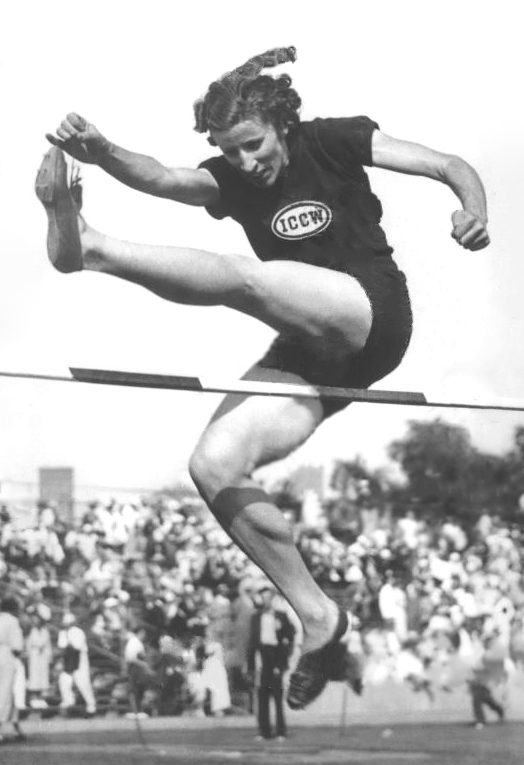
Annette was born in 1913 into a family of Irish immigrants. When the girl was 3 years old, the family moved to the North Side, Chicago. The girl’s father worked as a tram conductor, and her mother, a homemaker, took care of their daughter.
From an early age, Annette often competed with friends. She enjoyed beating everyone, even boys. At the age of 10, the future champion already participated in high jump competitions at the Hayt Playground. Her teacher, Margaret Leimer, noticed that the child had a knack for it and began involving her in local contests.
At the age of 14 (1928), Rogers took third place in the 50-meter dash in her age group at the Women’s Olympic Games.
Annette needed a good coach to reach a new level, so Leimer helped her join the Illinois Women’s Athletic Club (IWAC). After that, Rogers started training with the most prominent coaches in Chicago.
Triumphs in sports
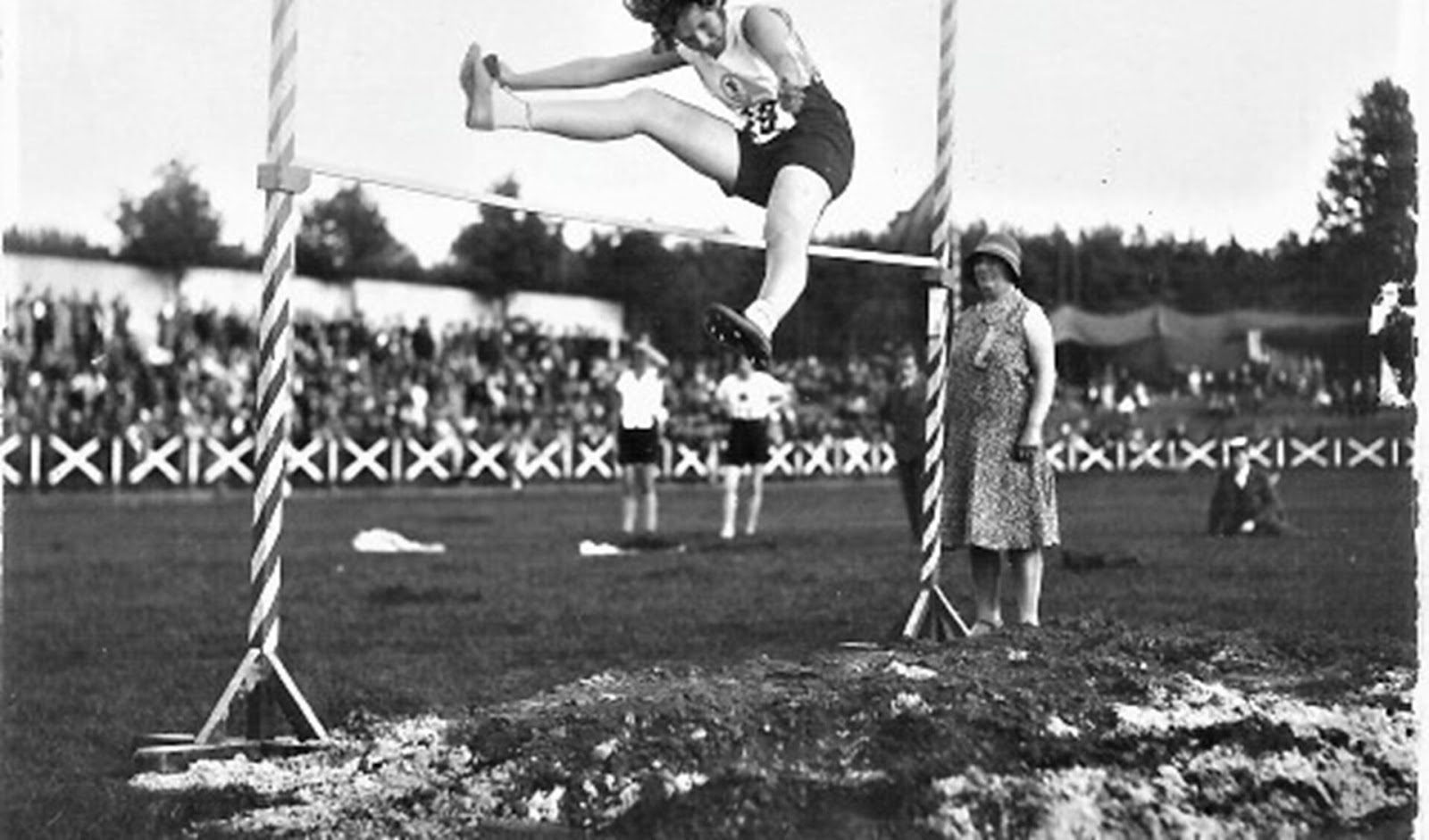
Annette graduated from Senn High School in Chicago and dedicated herself fully to sports. She took part in the 1932 Summer Olympics held in Los Angeles, where she won the 4×100 meters relay as part of the US team and placed sixth in the high jump.
In 1933, the IWAC club faced serious financial difficulties. However, its team continued to achieve victories in the national arena. At the AAU Nationals championship in NY, owing to Rogers, her team won the national title in the 200-meter run and high jump. Shortly after, Annette took first place in the 40-meter dash.
Rogers played a key role in the IWAC team’s victory at the AAU National championship in July 1933. Unfortunately, these were the last competitions for the team as it disbanded.
In 1936, Annette and her friend from IWAC became members of another club, the Illinois Club for Catholic Women (ICCW). Rogers continued to regularly win competitions. As a result, she ended up on the Olympic team.
In 1936, the US team, including Rogers, participated in the Olympic Games in Berlin. Annette was the only participant who competed in both games. She then finished fifth in the 100-meter run.
Rogers won her second gold medal in the 400-meter relay. After the Olympics, she took part in the Canadian National Exhibition in Toronto.
In 1937, Annette graduated from Northwestern University and retired from world-class sports. She then started working as a PE teacher in several Chicago public schools. Soon, she became the head of the track and field department in the Amateur Athletic Union.
As for her personal life, Annette got married in 1948 and had two children. For 23 years, she successfully balanced her family and work.
Rogers stopped teaching in 1965 and enjoyed a well-deserved retirement. In 1996, the former Chicago champion attended the Summer Olympic Games in Atlanta.
Annette Rogers passed away in 2006 at the age of 94, leaving behind a great legacy of achievements in sports.