

The 1990s were a period of bright fashion expression, contrast, and style reinterpretation in one of America’s most influential metropolises: Chicago. Fashion in 1990s Chicago was not merely a reflection of national trends; it was a unique cultural phenomenon that merged urbanism, African American and Latin American identity, hip-hop culture, and street style. Also, find out about the history of clothing manufacturing in Chicago. More on chicagoka.
The Influence of Hip-Hop Culture
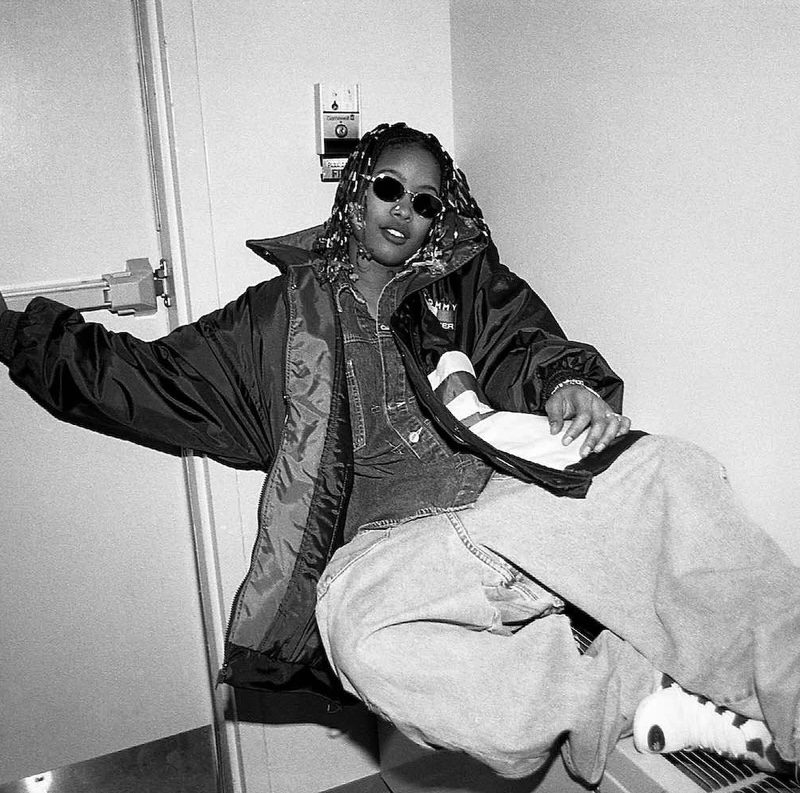
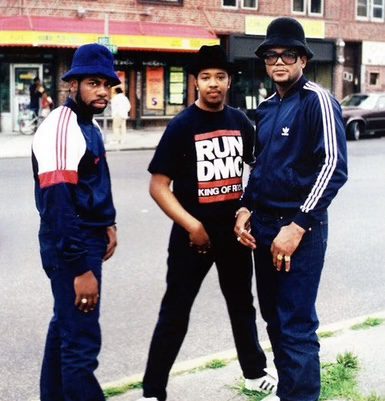
In 1990s Chicago, a vibrant and diverse street fashion scene emerged, reflecting the spirit of the era, social attitudes, and the city’s cultural complexity. One of the most influential currents was hip-hop culture, which extended far beyond music and became a lifestyle. Chicago youth, especially in the South Side and West Side neighborhoods, wore baggy, low-slung jeans, oversized hoodies with bright prints, baseball caps turned backward, and high-top sneakers—Nike Air Force 1s, Adidas Superstars, or Timberlands.
Brands that became symbols of African American culture and self-affirmation played a special role in creating this look: FUBU (For Us By Us), Karl Kani, and Cross Colours. These items were worn not just by celebrities; they were visible in schools and at garage parties. Clothing was often adorned with slogans about equality, community power, and pride in one’s heritage.
In the Lincoln Park and Wicker Park neighborhoods, another movement—grunge—flourished. Inspired by Nirvana, Pearl Jam, and Smashing Pumpkins, youth protested commercialism, consumerism, and the mainstream. The look included flannel shirts worn over nothing, ripped jeans, heavy Dr. Martens boots, and worn sweaters and jackets from thrift stores. Their style was deliberately careless yet thoughtful—it was clothing for those who refused to play by others’ rules. Grunge was often combined with punk elements—chains, studs, and patches that demonstrated subculture affiliation.
Separately, sports fashion conquered the city, fueled by basketball fever. The 1990s were the triumphant era of the Chicago Bulls and the legendary Michael Jordan. His style was not just copied—it was emulated. Starter jackets with NBA team logos, Bulls-branded hats, and basketball shorts, even in winter, all became hallmarks of the city streets. But the ultimate prize was Air Jordan sneakers. In some neighborhoods, people even fought over rare models.
The Influence of Subcultures and Ethnic Hubs
Some of the most prominent representatives of the city’s street style were Latin American teenagers, particularly from the Humboldt Park, Pilsen, and Little Village neighborhoods. Their style was formed at the intersection of street codes, family culture, and the attempt to assert themselves in American society. Guys often wore tight-fitting Dickies pants or trousers that sat perfectly at the waist and fell below the hips, heavy boots with thick soles (like Stacy Adams or Caterpillar), and the main style marker was button-down shirts or flannels fastened only at the neck. Haircuts also mattered: geometrically precise fades, designs shaved into the back of the neck, and thin mustaches. For girls, the look was characterized by high hairstyles, large hoop earrings, and bold makeup with an accent on the lips. This style was not just fashionable—it was a way to declare one’s affiliation.
Chicago’s African American youth were a driving force in local fashion. The style they promoted was loud, proud, and visually strong. Baggy, bright-colored jackets, bomber jackets, gold chains, overalls, and T-shirts with cultural heritage prints were common. African flag colors—red, black, and green—were often incorporated into clothing. Symbolism related to lesser-known leaders of the Black civil rights movement also found expression in prints.
A separate trend was the LGBTQ+ community, which was particularly visible in the Boystown area (now Northalsted). Here, fashion transformed into a performance, a form of rebellion, and an act of self-expression. In underground clubs and at vogueing parties, looks were created that combined glitter, leopard prints, sheer fabrics, feathers, extravagant accessories, platforms, and makeup without rules. The aesthetic of kitsch, glam, and androgyny was not merely a tribute to fashion here—it was a language of resistance, dignity, artistry, and self-love.
Television, Boutiques, and Magazines
In the 1990s, Chicago was not just an observer of fashion trends coming from New York or Los Angeles—it actively shaped its own unique style. The clothing worn on the streets was increasingly created not by large brands but by young local designers working at the intersection of art, culture, and urbanism. Hubs for the fashion underground included neighborhoods like Lincoln Park, Pilsen, and Wicker Park. These areas saw the emergence of small boutiques and showrooms selling unique, handmade items.
Here, one could find customized denim with original prints, unique jackets, jewelry with ethnic motifs, and clothing featuring appliqués inspired by African and Latin American art. Designers often used accessible materials, repurposed thrift store items, and transformed tracksuits into designer ensembles—all of which created an authentic Chicago fashion language. Boutiques like Karma, Silver Room, and Akira, as well as lesser-known art spaces such as galleries attached to cafes or music studios, became launching pads for the future stars of the local fashion scene. They hosted small shows that more closely resembled performance art, where models strutted to live hip-hop or jazz.
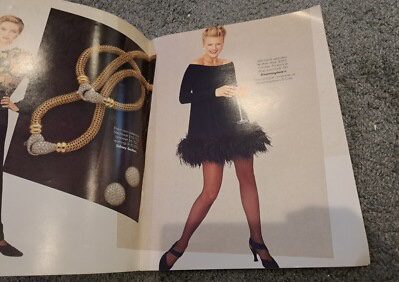
Local television actively supported the new styles. Music programs on WGCI-TV played a particularly important role, covering youth life, including the fashion prevalent among rappers, DJs, and dance crews. The shows featured artists performing in clothes from local designers, stylized videos with trendy choreography, and reports from nightclubs and boutiques. Print publications also played a vital role, giving a voice to alternative fashion. Publications like Chicago Magazine, UR Chicago, New City, as well as journals like The Baffler or The Lumpen Times, published street-style photo shoots, interviews with independent designers, and articles about fashion as a social phenomenon. These publications featured models who did not conform to glossy standards—with tattoos, dreadlocks, varied body types, and diverse skin colors.
The Legacy of the 1990s in Modern Fashion
Young Chicago designers and stylists openly refer to the archives of 1990s fashion. They study images from local magazines, watch old footage of music shows, and visit thrift stores in search of items from that era. But it’s not just about the appearance—they are inspired by the spirit of freedom that existed then: the freedom to be oneself, to wear what one likes, and to create one’s own language through clothing. It was in the 1990s that the “clothing as a statement” approach was formed, and this idea is becoming relevant again in the context of the global conversation about identity, equality, and rights.
No less important is the multiculturalism that was the heart of 1990s Chicago fashion. Modern brands like Reformed Society, Tribe of the City, or Luella Lane boldly combine African American, Latin American, and Asian cultural motifs with contemporary trends. They are not afraid to feature models of varied body types, skin colors, and gender identities on the runways. In this, they continue the work of those 1990s designers who were the first to refuse to play by the rules of the mainstream.
Contemporary Chicago fashion is a conversation with the past, in which the 1990s sound clear and proud. It’s not just about retro; it’s about legacy: the energy of protest, the desire to be visible, and the importance of belonging to a community.
Also, find out about Jenny McCarthy, a shining star of American cinema.