

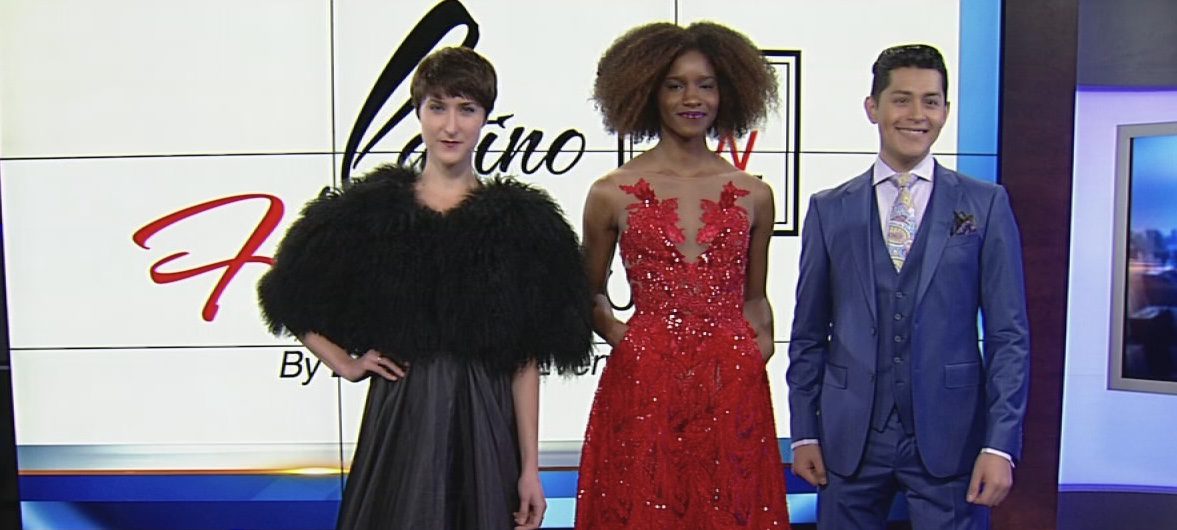
Latino Fashion Week (LFW) is a unique fashion event, founded in Chicago in 2006 by Arabel Alva Rosales and Cesar Rolon Jr. This event is the only one in the U.S. fully dedicated to supporting the talents of Latino designers and models. Under the motto “By Latinos, for everyone,” LFW has become not just a fashion show but a cultural movement that promotes the visibility of the Latin American community through fashion, art, and creativity. Also, learn about Virgil Abloh, a revolutionary of modern fashion. More on chicagoka.
History and Development of the Event
The idea for Latino Fashion Week originated with two entrepreneurs and activists: Arabel Alva Rosales and Cesar Rolon Jr. Both observed a significant lack of space for Latin American representation in the U.S. fashion industry. Although Latinos represent a significant share of the consumer market, they were barely visible as creators of fashion—neither on the runways nor behind the scenes. This gap sparked the idea to create a fashion week that showcases Latin American aesthetics, culture, and power through clothing, music, art, and community activism.
The slogan “By Latinos, For Everyone” is not just a phrase but the philosophy of Latino Fashion Week. The organizers emphasize that the event is created by Latinos, but it is open to everyone, regardless of background. It is a platform for inclusivity where every talent can be noticed, while still maintaining a clear cultural focus.
The first seasons of Latino Fashion Week took place in humble spaces, featuring local designers and small audiences. But thanks to the organizers’ enthusiasm, the event quickly gained momentum. Local media began covering the shows, the number of brand partnerships grew, and designers were invited to participate from across the country and Latin America. Over time, Latino Fashion Week expanded beyond Chicago. Events were held in other major U.S. cities, including Miami, Dallas, Los Angeles, and New York. In addition to runway shows, LFW began hosting:
- master classes for emerging designers;
- forums on women’s leadership;
- initiatives to support entrepreneurship within the community;
- educational programs for teenagers.
In 2016, to celebrate the 10th anniversary of LFW, a historical project was presented: “The History of Puerto Rican Fashion,” which for the first time was showcased outside of the island and became part of the cultural dialogue in the U.S.
Brand Collaboration
One of the main factors driving the growth of Latino Fashion Week (LFW) is its collaboration with key brands and city institutions. These partnerships not only provide funding but also offer opportunities to promote the event to a massive market, opening new channels for interaction and audience engagement.
In recent years, LFW has forged powerful partnerships with a number of major brands such as Comcast, McDonald’s, Toyota, and Target. Comcast has repeatedly supported LFW through its Comcast NBCUniversal program, which promotes diversity in the media landscape. The partnership allows the brand to actively advance inclusive initiatives and provide a platform for content representing cultural diversity. McDonald’s, known for supporting local communities and raising awareness of cultural differences, has become an important LFW partner, organizing special initiatives that support young designers and entrepreneurs during the event. Toyota and Target are actively involved not only financially but also through their own platforms to distribute event information to their customers, significantly expanding the audience reach.
The municipal governments of Chicago and other major cities where LFW expands its activities play an equally important role in the event’s development. Local authorities support LFW not only through funding but also by providing venues for events, as well as collaborating with educational and cultural institutions.
Social Mission
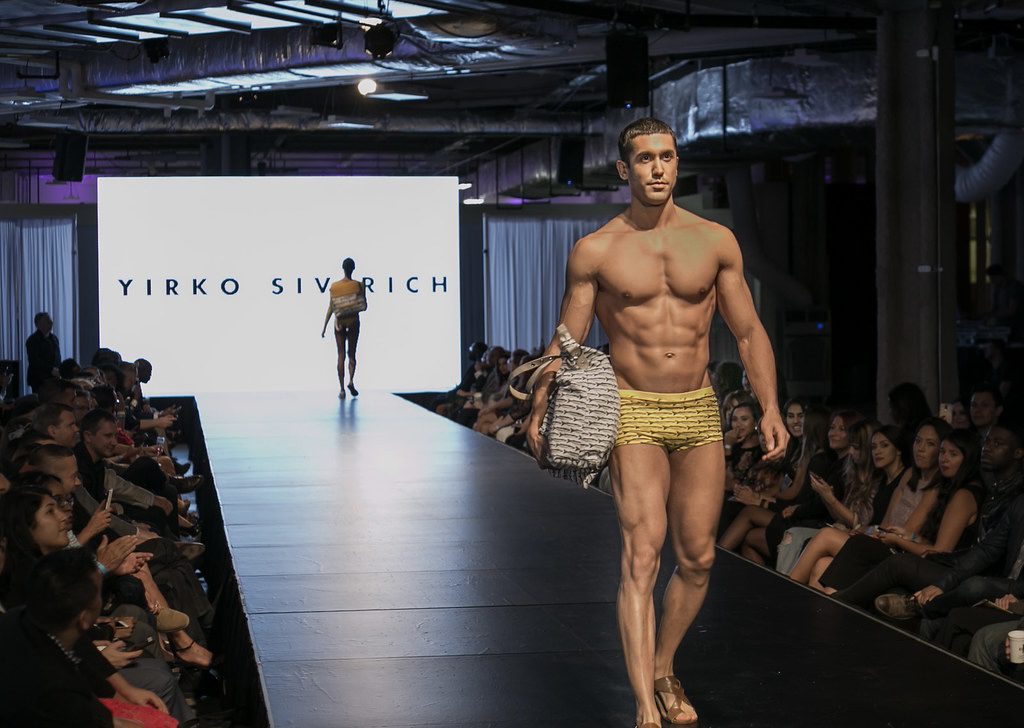
Latino Fashion Week (LFW) stands out not only for its aesthetics, inspired by Latin America’s cultural heritage, but also for its deeply rooted social mission. One of LFW’s key features is its geographical and ethnic inclusivity. On the Chicago runway, in addition to designers from Puerto Rico, Mexico, the Dominican Republic, Colombia, or Venezuela, there are designers of Latin American descent residing in the U.S., Canada, and Europe, as well as representatives of other cultures who share the idea of a diverse fashion industry. This allows for a dialogue between cultures, styles, and experiences—not only at the level of fashion but also at the level of identity.
The LFW initiative to inclusively represent gender and sexual diversity deserves special attention. In 2018, the event featured shows that challenged traditional notions of beauty and gender. Androgynous models, transgender individuals, and non-binary performers all became an integral part of the show. Some designers create clothing not for “men” or “women,” but for individuals—outside the bounds of the binary. This is not only a new step in the development of fashion aesthetics but also a deeply political act of supporting the LGBTQ+ community.
Another example of social impact is the presentation of the non-profit organization “Pivoting in Heels,” founded to support women seeking to change their lives. The initiative focuses on providing academic and leadership scholarships to women, particularly those from vulnerable groups—immigrants, single mothers, and ethnic minorities. The founder, entrepreneur, and activist Jacquelyn Camacho-Ruiz, sees fashion as a powerful means of transformation—not only of appearance but also of self-perception and social status. Thanks to “Pivoting in Heels,” dozens of women have received not only knowledge but also faith in their own power.
Impact on the Community
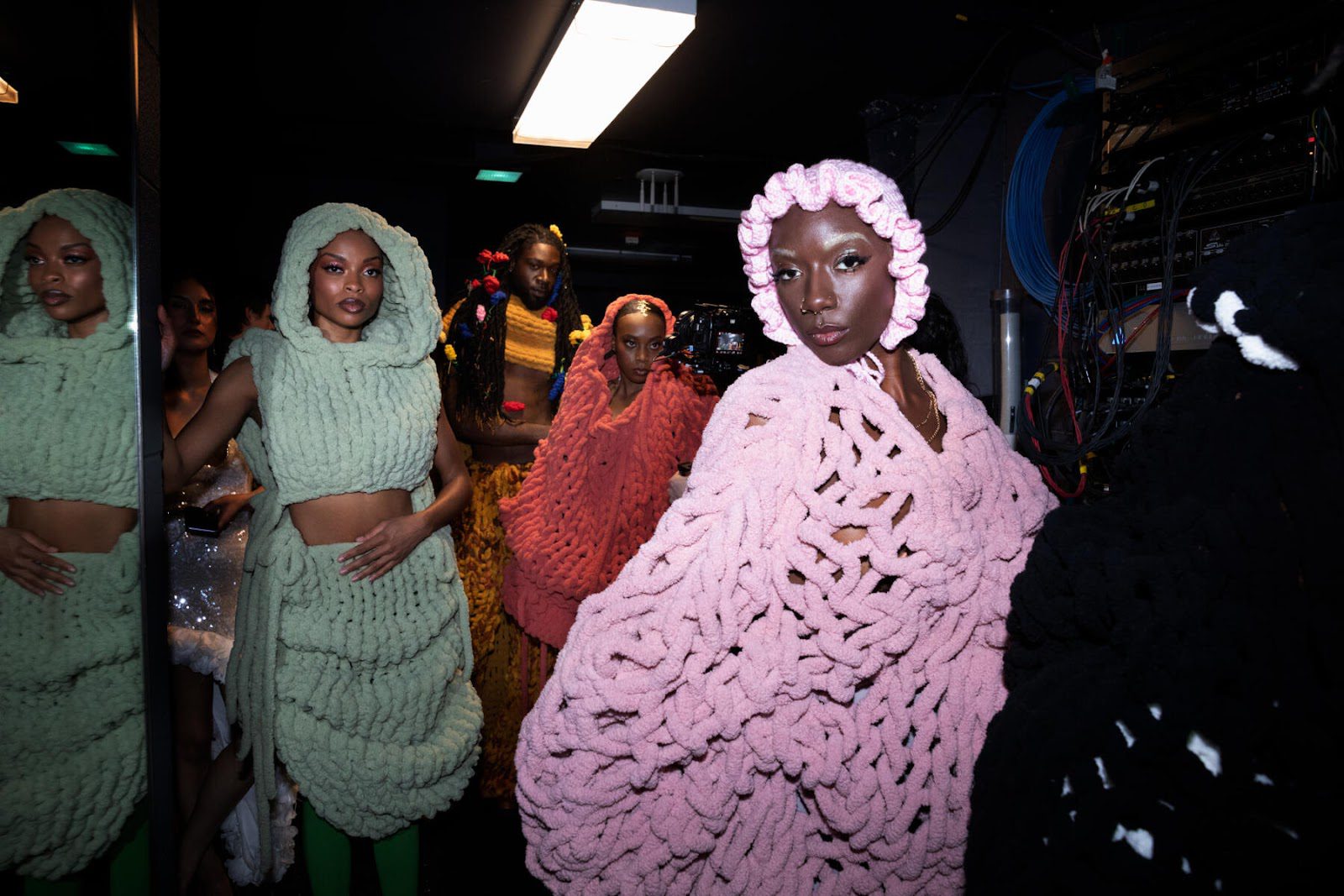
One of LFW’s key missions is to discover new names in the world of fashion and design. For many aspiring designers, models, stylists, and makeup artists in Chicago, LFW serves as the first step into the professional industry. By participating in shows, workshops, and presentations, they gain access to a professional audience, media, and potential investors. The event also supports students from local fashion colleges, including Columbia College Chicago, the School of the Art Institute of Chicago, and other institutions, where young people have the opportunity to intern, learn practical skills, and showcase their own collections.
The hosting of LFW stimulates the work of local businesses: from shops and ateliers to cafes, restaurants, sewing workshops, and beauty studios. Often, small business representatives become partners of the event—they sew outfits, create decorations, and serve guests. LFW also actively cooperates with ethical brands and businesses owned by members of the Latin American community. This not only increases employment within the community but also promotes products created in Chicago beyond the city limits.
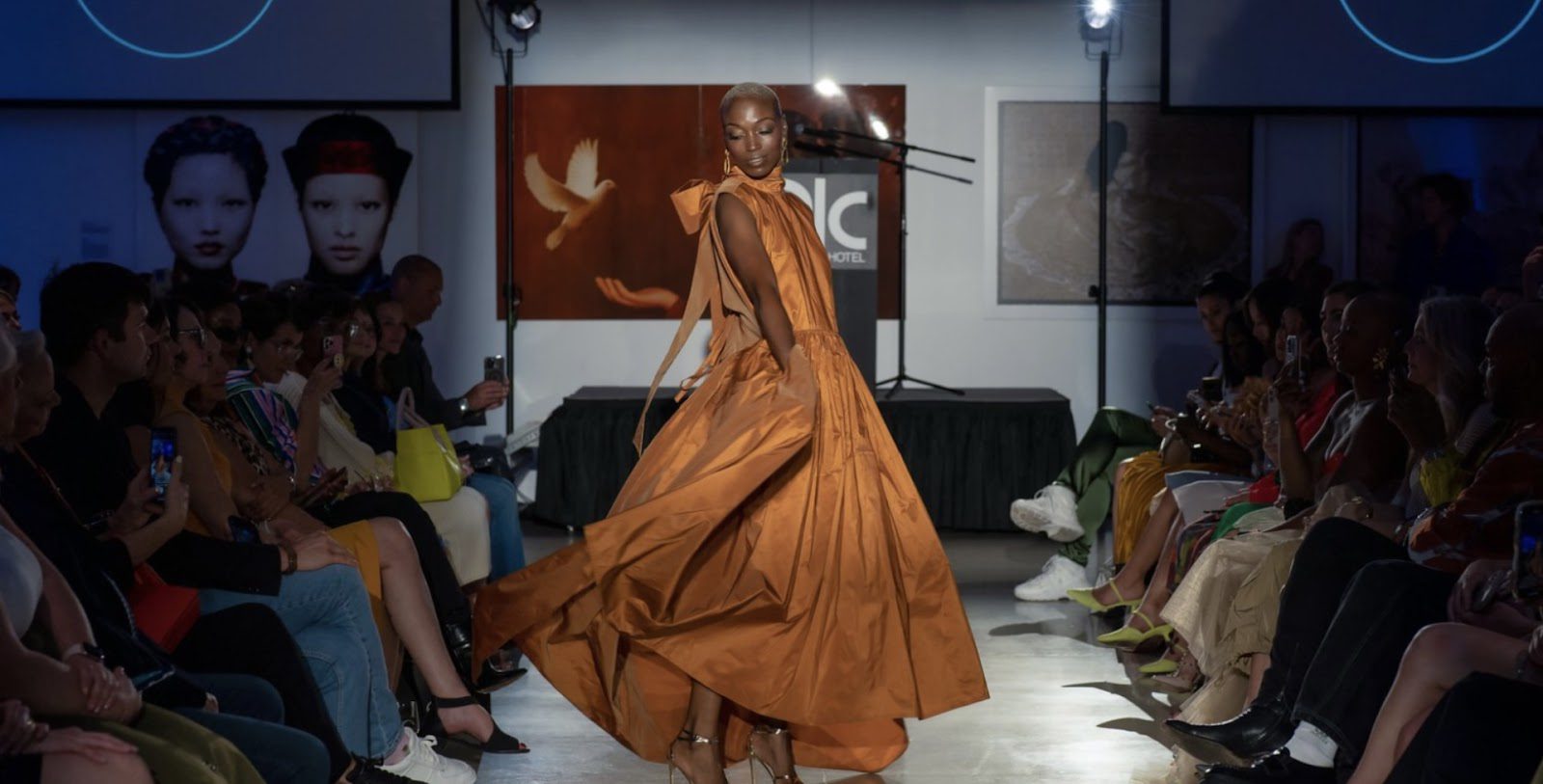
LFW brings together not only designers but also artists, musicians, photographers, and performers. Many events take place in Chicago’s creative spaces—galleries, cultural centers, and theaters—where not only fashion shows but also exhibitions, performances, and lectures are held. Thus, Latino Fashion Week acts as a cultural bridge between art and fashion, between tradition and new forms of self-expression.
The organizers pay special attention to educational initiatives. LFW hosts training sessions, motivational speeches, and business seminars for youth, particularly for girls and teenagers from immigrant families. For many of them, participating in the event is the first opportunity to see themselves as part of the larger world of creativity and professional growth. This aspect is especially important in the context of neighborhoods where young people often face economic hardship or lack access to culture. LFW changes this situation by demonstrating that talent and passion matter, regardless of where you were born or what resources you have.
Also, learn about the Lollapalooza festival.