

Ida Wells-Barnett was a famous journalist and activist of the late 19th and early 20th centuries. Throughout her life, this woman fought against sexism, racism and violence, writes chicagoka.com.
Childhood in slavery
The girl was born on July 16, 1862 in Holly Springs. She was the eldest of eight children. The girl was not even three years old when the Civil War ended and slavery was abolished. Thus, she had no memories of being a slave. Still, Ida heard the horror stories of her parents and saw the scars on her mother’s back from the beatings she suffered. After the abolition of slavery, the girl’s parents learned to read and made sure that their children received an education. The head of the family, James, learned the carpenter’s trade and worked to support a large family.
When she was 16, her family suffered a tragedy. Her parents and younger brother died of yellow fever. Six children were orphaned and the girl had no choice but to take them under her care. To feed her large family, Ida began working as a school teacher. In 1881, together with two sisters, she went to Memphis to live with an aunt. There, she continued to work as a teacher.
From teacher to journalist
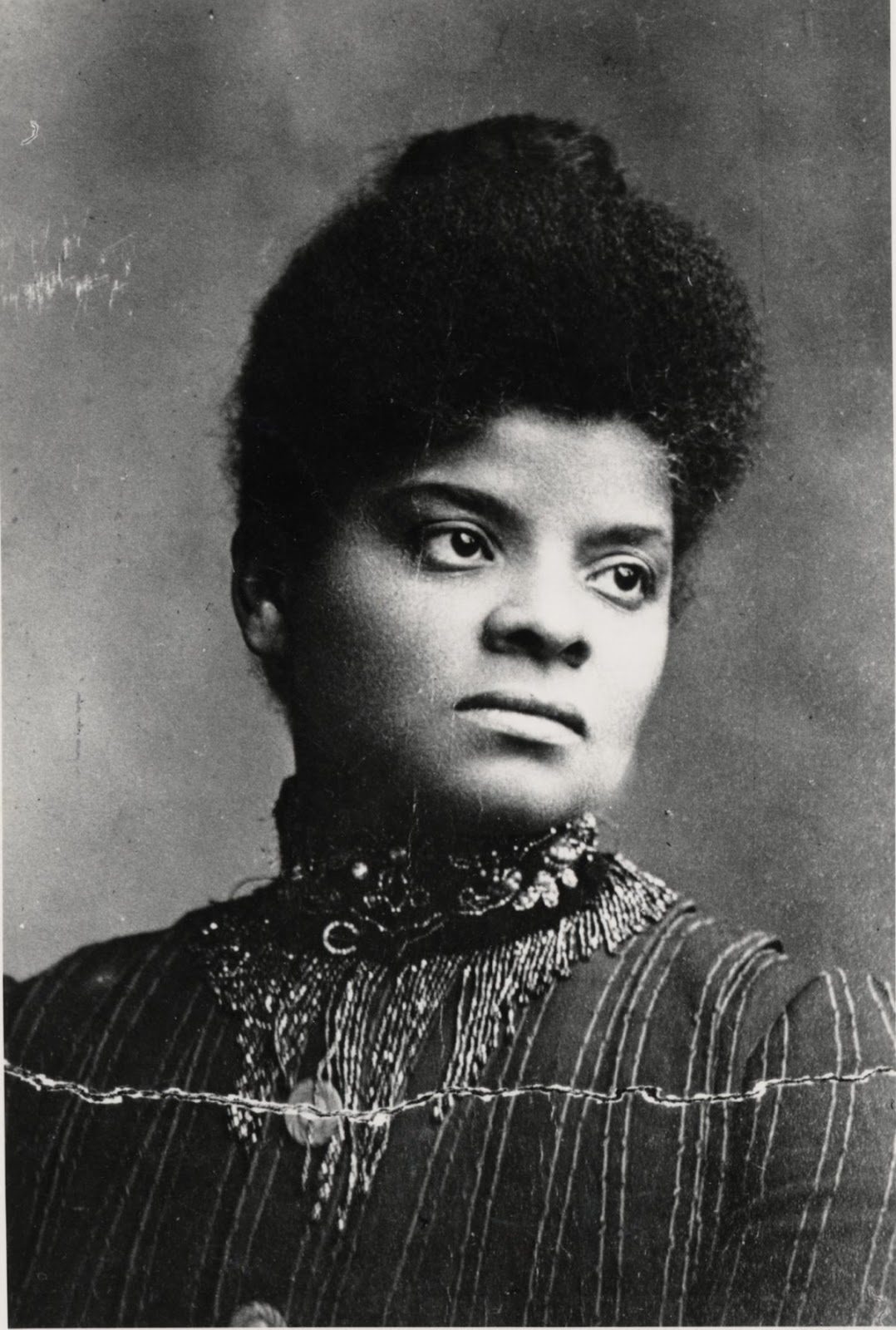
The South was changing. Reconstruction was over. The new, harsh Jim Crow laws gradually restricted the rights and freedoms of African-Americans and forced segregation, often through intimidation and violence.
In 1884, 22-year-old Ida bought a first-class ticket on a train from Memphis to Holly Springs and took a seat in the women’s car. However, the conductor ordered her to change. Ida began to resist. When he tried to pull her away by force, she bit his hand. Two men helped him and white passengers began to laugh loudly watching this. At last, Ida was dragged out of the train. After this unpleasant incident, she filed a lawsuit against the railway company. Wells managed to win only at the local level. The federal court cancelled the decision.
In 1886, Ida lost her job. The reason was her criticism of the conditions in the local schools. She wrote articles and decided to engage in journalism. After 3 years, Ida acquired a share in The Free Speech and Headlight and was appointed its editor. Thus, she became the first woman co-owner and editor of a newspaper for black people in the US. Soon, she was writing articles under the name Iola.
Fighting lynching
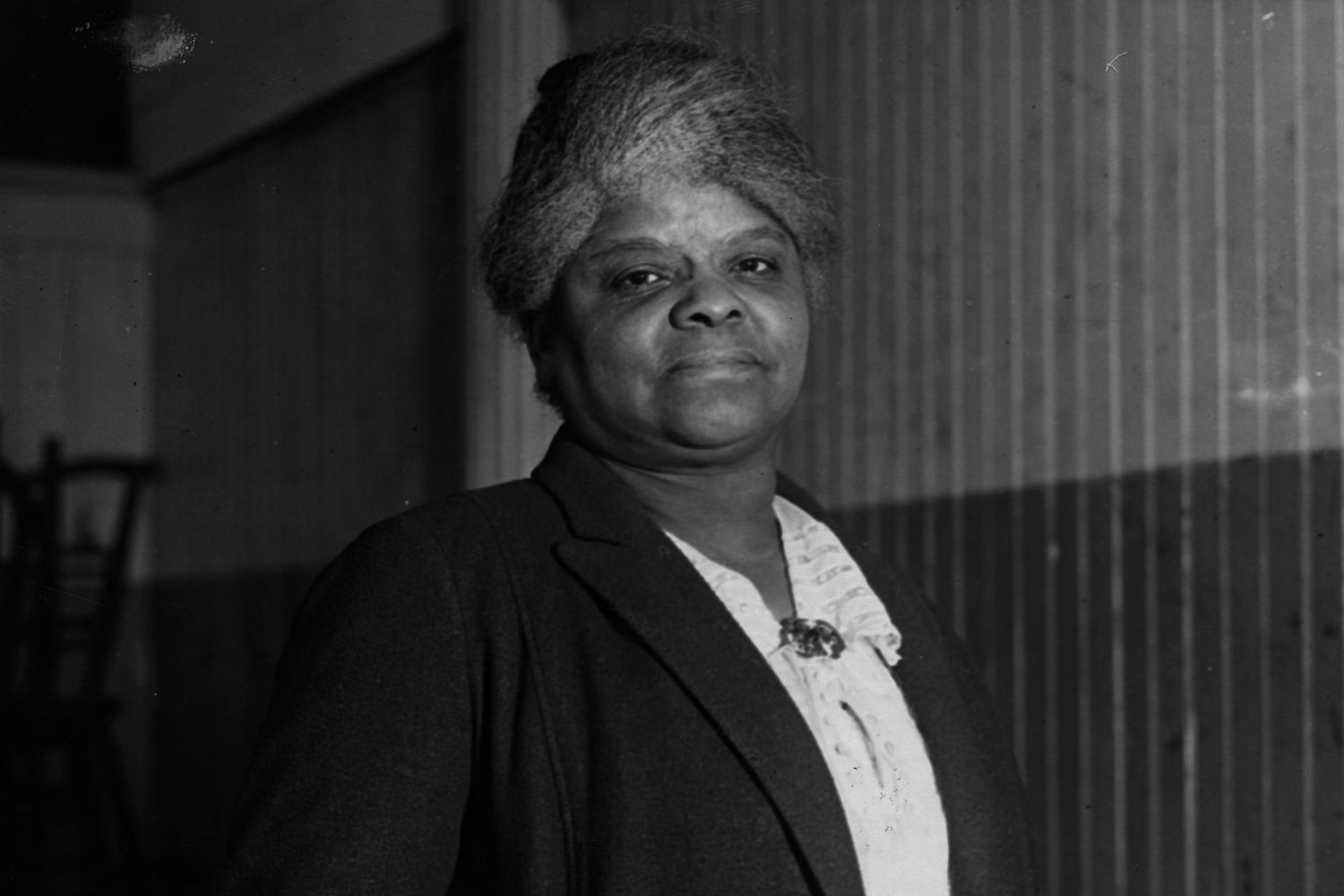
A turning point in Wells’s life came in 1892. Her friend Thomas Moss, a postman and grocer, was lynched by a mob after a confrontation with white grocers. After this incident, Ida wrote an article in which she urged African-Americans to leave the city for their safety. She began to pay special attention to the lynchings that were becoming more frequent in America. Soon, lynching turned into a terrorist campaign designed to strengthen white control over the South. Black men became victims. They were constantly accused of raping white women. Ida did not believe this, noting that the accusations were made after the person had been hanged, burned or beaten. She wrote editorials against lynching. In the last of these, she suggested that African-American men were more attractive to white women and went to New York for three weeks. Soon, she learned of threats against her and that her office had been burned down. After that, she moved to Chicago and took the pseudonym Outcast.
Between 1884 and 1892, Ida managed to document 728 cases of lynching. Within a few months of her friend’s murder, she wrote a collection of articles called Southern Horrors. Her main goal was to awaken the conscience of America. Wells traveled around the world, shedding light on lynching to foreign audiences. She opposed the white women of the suffrage movement, who ignored lynching in every possible way. Because of her position, she was often ostracized by various organizations.
A staunch suffragist
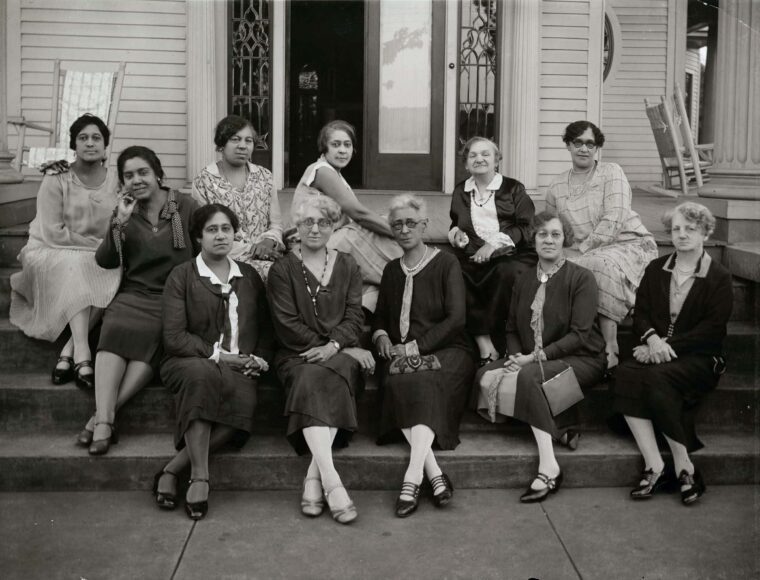
She was also a strong advocate for women’s suffrage. In 1895, she married Ferdinand Barnett, a prominent African-American lawyer. They had four children. Thus, our hero combined motherhood with activism.
In 1913, she co-founded the Alpha Suffrage Club, which became the largest black women’s organization in Illinois. In addition to supporting women’s efforts to gain the right to vote, it trained them to be politically active and promoted African-American women for office.
She participated in the 1913 suffrage parade in Washington, D.C. In 1922, she sponsored an anti-lynching bill that was considered by Congress. It failed due to Democratic opposition. This great woman passed away on March 25, 1931. In 2020, she was posthumously awarded a Pulitzer Prize for her reporting on lynchings.