

Main Rousseau Bocher is a name known worldwide. This man was a renowned couturier and a skilled salon director in Paris. His meticulously crafted garments were exceptional, with none other than the Duchess of Windsor commissioning her wedding dress from him, as noted by chicagoka.com.
Early Steps in Fashion
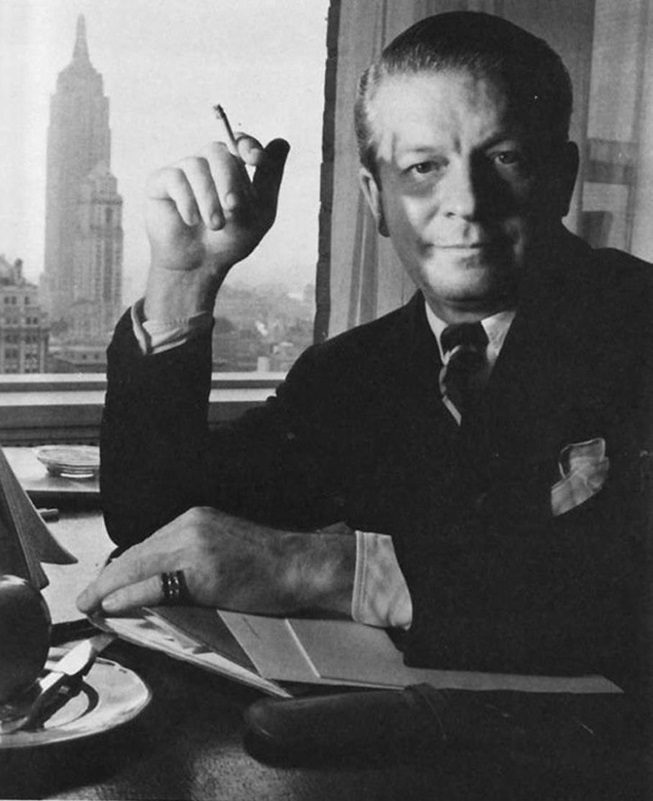
Main Rousseau Bocher was born in Chicago in 1890 to a haberdasher’s family. From a young age, he displayed a love for the arts, a passion his parents encouraged. His father wanted him to become a musician, while his mother saw a future artist in him. After graduating from high school, Bocher enrolled at the University of Chicago, and after his father’s death, he transferred to the School of the Art Institute of Chicago.
In 1909, Bocher moved from Chicago to New York to study at the Art Students League. From 1911 to 1917, he worked in Munich, London, and Paris. In 1917, Bocher enlisted in the U.S. Army in Paris, where he was assigned to the Intelligence Corps. After the end of World War I, Main remained in Europe.
In 1922, Main Rousseau began working at the Paris office of Harper’s Bazaar as an illustrator, and in 1923, he became the editor of the French edition of VOGUE. During his time there, he earned a solid reputation. By 1929, after learning a great deal about fashion, he left the magazine and decided to pursue a career as a fashion designer, opening his boutique in Paris at 12 Avenue George V. He adopted the pseudonym “Mainbocher” and began creating fashion masterpieces that earned him worldwide recognition.
Mainbocher ensured that every design he created was exclusive. In his early collections, he presented sheath dresses in a narrow cut, made from black and white patterned silk, later using printed taffeta or crepe. He invited select people to his fashion shows and charged high entrance fees. His salon was luxurious, with zebra-skin rugs adorning the walls, mirrors, porcelain figurines, and vases filled with fresh flowers decorating the tables. Many famous women of the time visited his boutique, the most notable being Wallis Simpson, who became the Duchess of Windsor after marriage. In 1938, Bocher designed her wedding gown made of pale blue silk chiffon. The floor-length dress featured a sleek design with meticulously detailed tiny buttons at the waist and wrists.
Career Development
In the 1930s, clients flocked to Bocher’s salon for clothing suitable for any occasion. He had a gift for making women look like true ladies. The mannequins in his salon were adorned with white gloves, pearl necklaces, headbands with flat bows, and other accessories that perfectly complemented his suits and evening gowns. All of Mainbocher’s creations exuded elegance and style. The designer believed that outfits should be worn with beautiful jewelry and simple shoes. He also offered the socialites a fragrance called White Garden, which could only be purchased at his salon.
In 1932, the couturier released a collection of evening dresses made from cotton, which were highly appreciated by women. In 1934, he introduced the first-ever strapless evening gown made from satin. However, it didn’t gain popularity until the end of the decade. By the late 1930s, Bocher was designing voluminous gowns with large sleeves, ruffles, and trains.
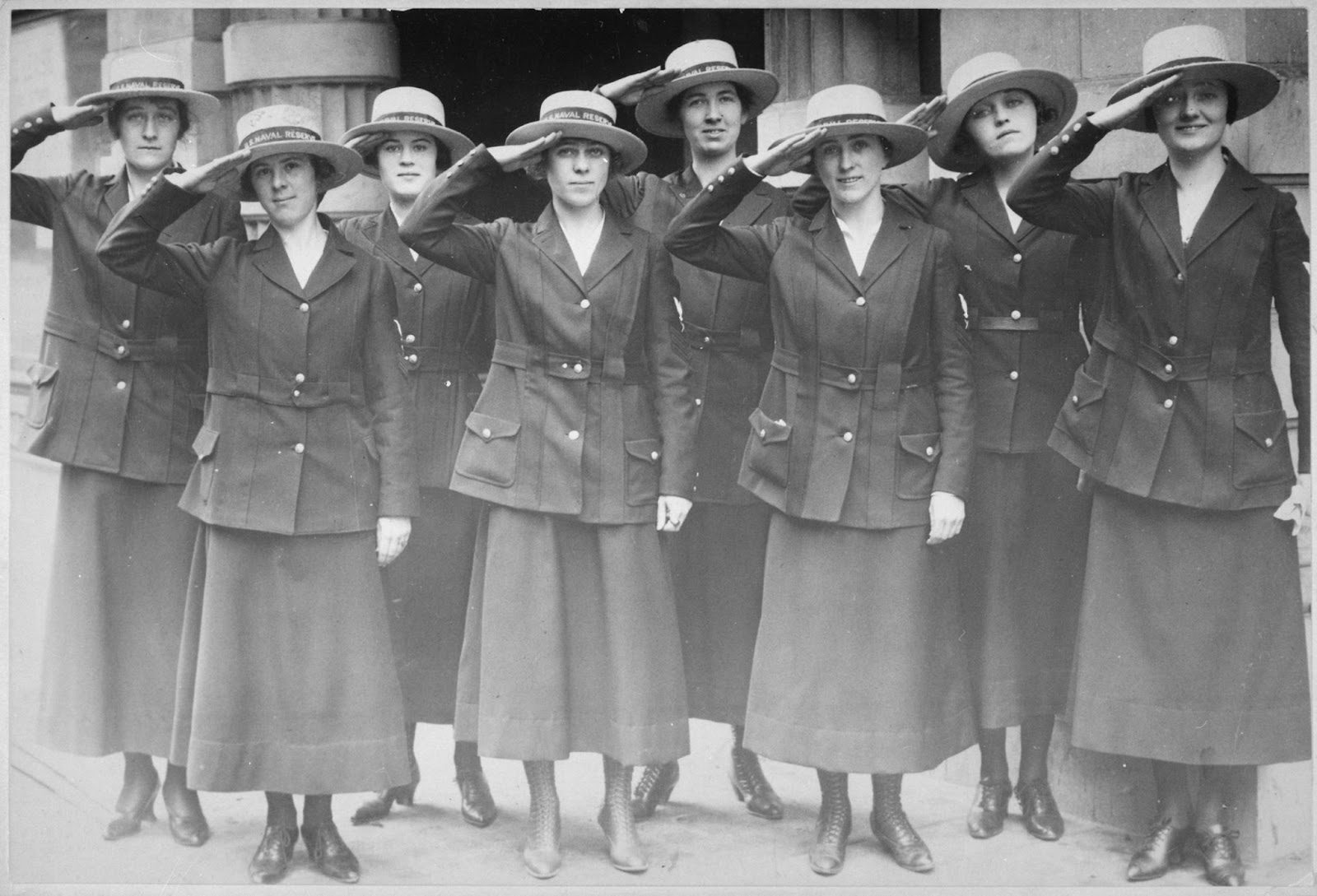
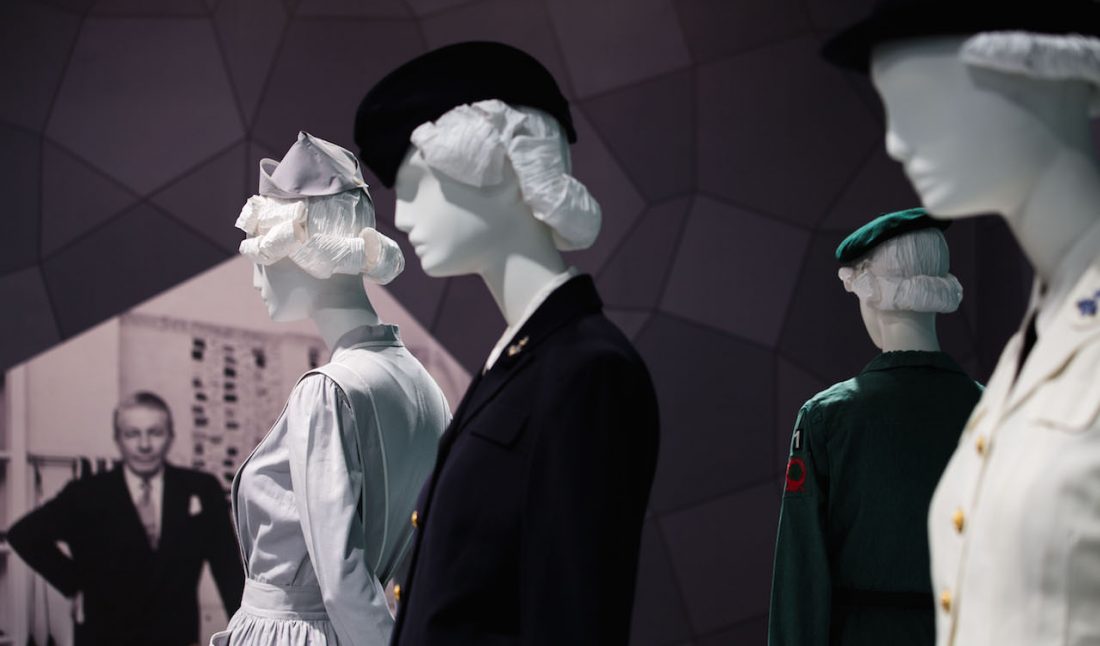
During World War II, the designer created uniforms for several service organizations, including the Red Cross and the Scouts, while also crafting shorter evening dresses. By the 1950s, his style had evolved, though many found it less in line with contemporary fashion trends: skirts and jackets made of soft wool and flat bows.
In 1971, Mainbocher retired from the fashion industry and moved to Europe, where he lived until his death.
Unique Features of Mainbocher’s Designs
From the start of his career, Bocher specialized in creating simple, elegant, and high-quality garments that featured luxurious tailoring. Wealthy women favored his designs, as they came with a high price tag. Nevertheless, he always adhered to the strict traditions of haute couture.
Mainbocher aimed to highlight the beauty of a woman’s waist. To emphasize this part of the body, he used belts, detachable aprons, and suspenders. His favorite fabrics included batiste, organza, linen, voile, and brocade.
In the 1930s, Bocher began using a technique of bias-cutting, which allowed him to create particularly beautiful evening dresses. Notably, Main Rousseau personally knew his clients’ preferences, allowing him to design new outfits that perfectly matched their lifestyles. A typical day look would be completed with a simple velvet bow in the hair instead of a hat, a choker made of several strands of real pearls, white gloves, and simple pumps. The combination of luxurious fabrics, intricate tailoring, and elegant workmanship was highly valued by his upper-class clientele. In 1934, Mainbocher introduced a strapless bodice with boning. During the 1950s and 1960s, he began making classic wool coats and suits, lining them with fur.
In conclusion, Main Rousseau Bocher was an exceptionally talented designer who made a tremendous contribution to the development of fashion.
Source:
- https://text-message.blogs.archives.gov/2022/07/26/mainbocher-designer-of-the-best-dressed-women-in-the-world/
- https://www.fashionmodeldirectory.com/designers/main-rousseau-bocher/
- https://vintagefashionguild.org/resources/item/label/mainbocher/
- https://www.findagrave.com/memorial/188440821/main-rousseau-bocher