

Helen Flanders Dunbar was a native of Chicago. This woman has made significant contributions to psychosomatics. She is known as a psychologist, analyst and founder of psychosomatic medicine, reports chicagoka.com.
Dunbar’s youth
Helen was born in Chicago. The girl’s parents were respectable and rich. Her father worked as an electrical engineer, and her mother as a translator who also studied genealogy and was active in feminist movements. As a result, she assumed leadership roles in her family. Helen was not the only child, she had a brother who later achieved great success in botany.
At the age of 12, Helen and her family relocated to Manchester, Vermont. Flanders owed her strong character to her mother. She had inherited her intrusiveness and remarkable ability to influence others. From her father, the girl inherited shyness and isolation. That was why Helen enjoyed being alone.
As a teenager, the girl developed an interest in psychosomatics. The main reason for this was her non-standard appearance. In early childhood, she was diagnosed with rickets paralysis. As the condition progressed, she encountered difficulties with metabolism. Helen felt uncomfortable with her height (145 cm) and wanted to look taller, so she wore platform shoes.
In college, the girl was constantly mocked by her classmates. Against this background, she developed a complex from which she suffered for most of her life. These difficulties served as a catalyst for self-improvement and awareness of the world around her.
Successful career and personal life
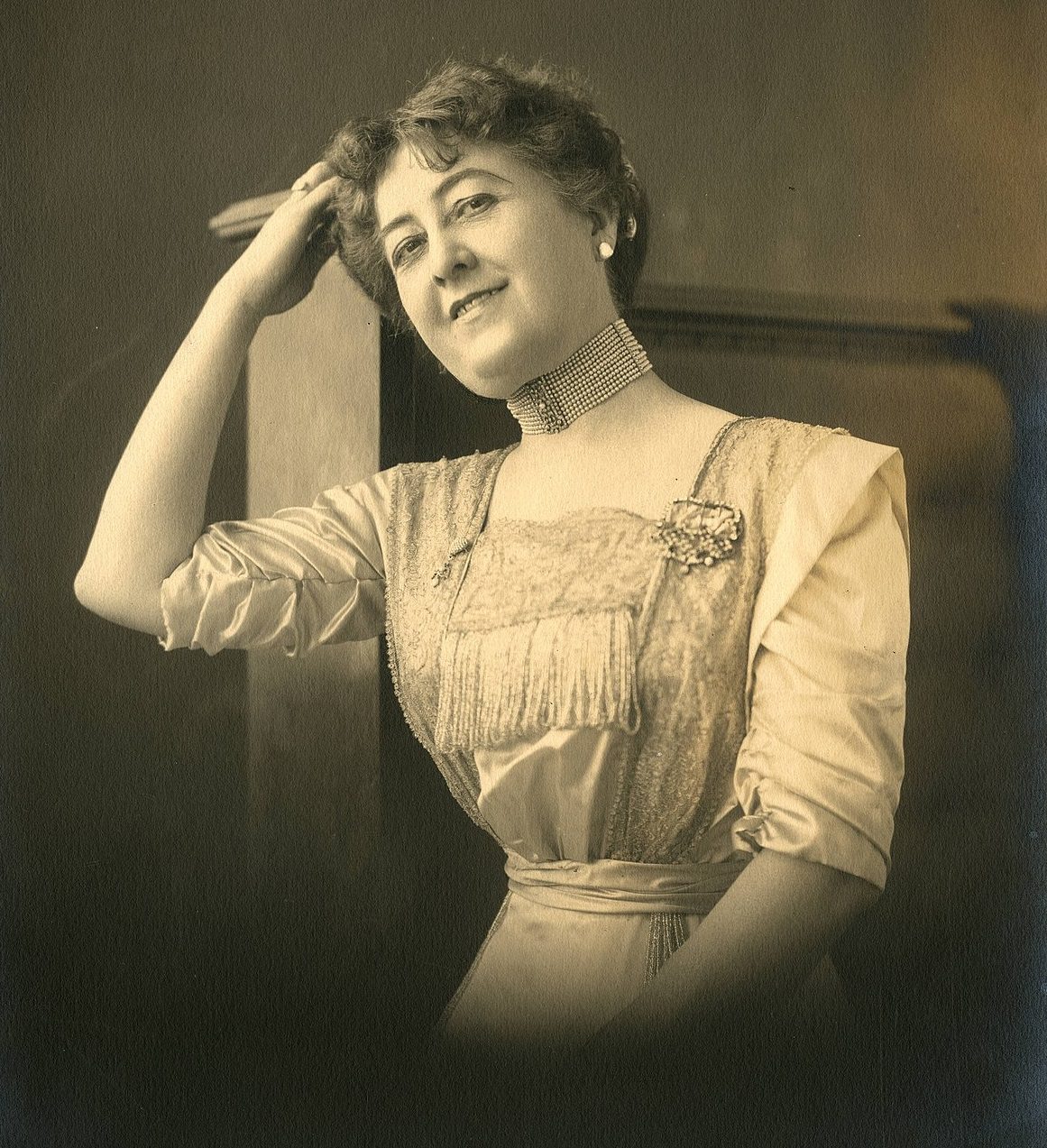
To achieve unprecedented success in the future, Helen had to study for a long time. It was made possible by the parents who hired private teachers for their daughter. Soon, the girl began attending an experimental school. In 1923, she graduated from Bryn Mawr College, where she studied mathematics and psychology. However, Helen favored psychology and, thanks to her love for this science, she was soon able to express herself to the whole world. In 1929, Dunbar graduated from Columbia University and received her Ph. D. At that time, she thoroughly studied and admired the work of Dante Alighieri.
While studying at the university, Helen attended the Union Theological Seminary and, in 1927, graduated with a bachelor’s degree in theology. Dunbar then enrolled at Yale University’s School of Medicine, where she earned her M.D. in 1930. Helen was a favorite among the seminary’s teachers. They regarded her as one of the most successful students. Thanks to her excellent academic performance, Dunbar received a scholarship that allowed her to travel to Europe.
When she was abroad, Helen studied under a renowned psychoanalyst, thanks to which she was able to master personality analysis. Dunbar was soon appointed as an assistant at the psychiatric clinic of Zurich University. From 1930 to 1940, she devoted herself to the work at the New York County Medical Society. In 1949, Dunbar started working as an assistant psychiatrist at Columbia College and an assistant doctor at Presbyterian Hospital.
Helen Dunbar was married two times. In 1932, while in Europe, she met her future husband. The couple soon legalized their relationship, but something went wrong, and their marriage ended in divorce in 1939. The woman’s second husband was George Henry Soule. In 1940, he proposed to Helen, and she agreed. In 1942, the couple welcomed a daughter.
Innovative psychosomatic research
Through her extensive careful work, Dunbar was able to prove to the whole world that psychosomatic disorders cause emotions. She was able to identify different types of disorders in people and determine the source of their occurrence, which turned out to be hidden deep within. Helen attempted to broaden the implications of psychoanalysis in the somatic field. She postulated a physical mechanism termed “emotional thermodynamics”. According to Dunbar, the human psyche is a material entity that seeks personal balance through energy. This means that an invisible spirit sends energy through a person’s physical body.
She also argued that the soul, body and psyche are all intertwined. Based on Helen’s argumentation, the doctors concluded that in order to cure the disease, it is necessary to monitor these three factors first. Dunbar was the first person to organize a psychosomatic research project. To accomplish this, she had to examine the psychological profiles of almost 1,500 patients. The study found that patients with similar disorders share personality features. Helen was able to categorize their matches by personality type, including cardiac, ulcerative and others.
Last years of life
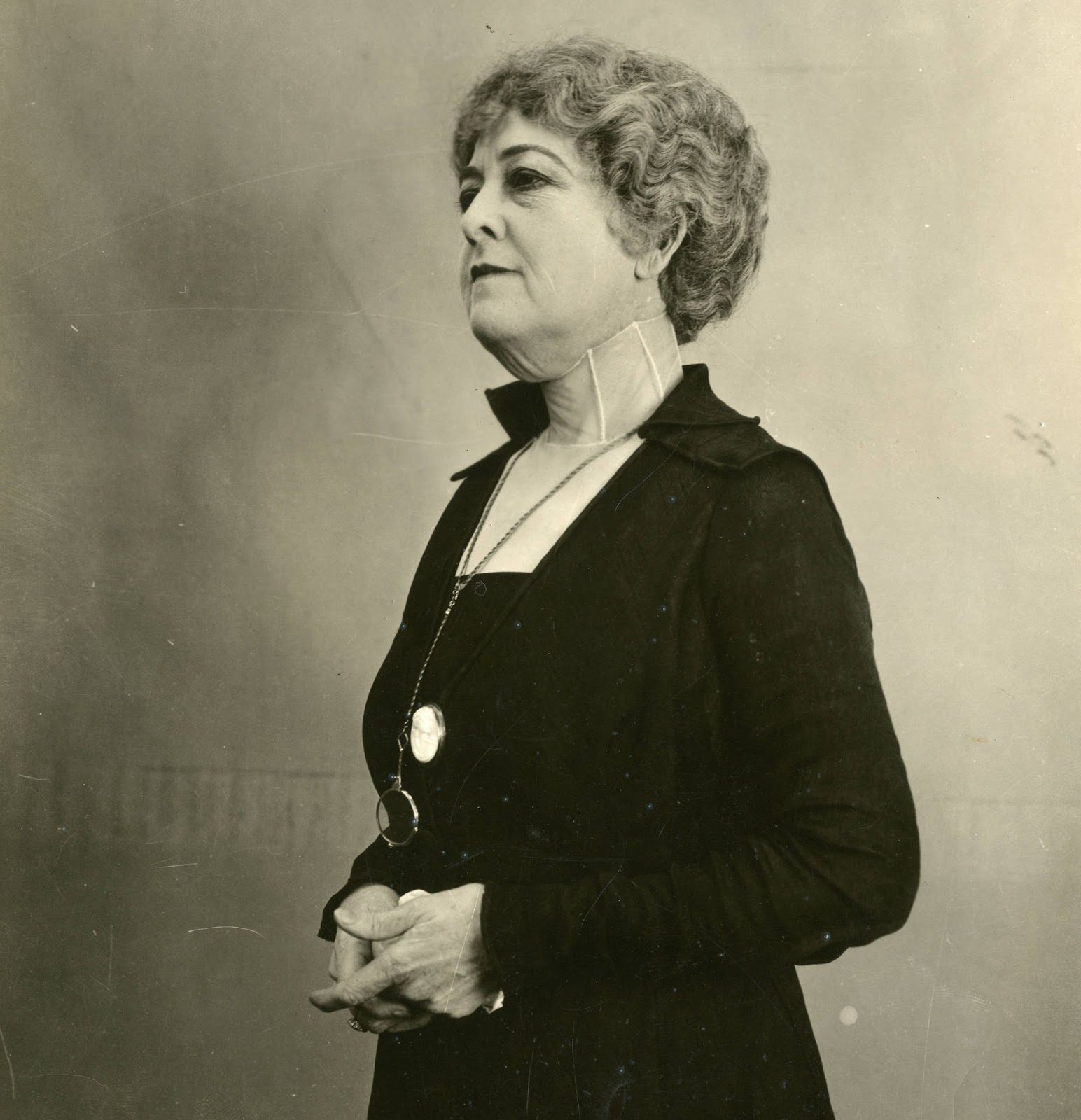
A few years before her death, Helen’s life changed for the worse. It was all the result of constant conflicts with family and friends. Dunbar had to withstand the suicide of a patient and best friend. Attempts to cope with stress failed, so Dunbar began drinking alcohol.
Helen eventually left the American Psychosomatic Society. In 1959, the woman was found dead at her home beside the pool. According to investigators, she committed suicide, however later it was discovered that the cause of death was a heart attack.