

She is a name that became a symbol of breakthrough, beauty, and independence in a world where Black women were long left off the glossy pages. She made history as the first Black model to appear on the cover of Playboy magazine—alone, unaccompanied, becoming an icon of the 1970s and an inspiration for generations of models after her. More at chicagoka.com.
Biography
Darine Stern was born on November 16, 1947, in Chicago, Illinois. Her path to fame did not begin in the world of fashion. In the late 1960s, she worked as a hostess and a bank teller.
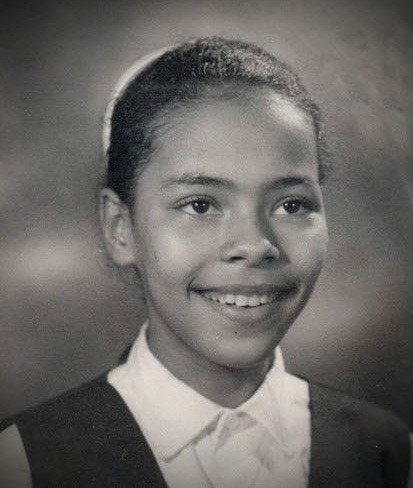
In 1971, Playboy art director Len Willis, inspired by the spirit of change, proposed an idea for a new cover—simple, elegant, and symbolic: a Black woman sitting on the company’s signature logo chair, the embodiment of confidence and independence.
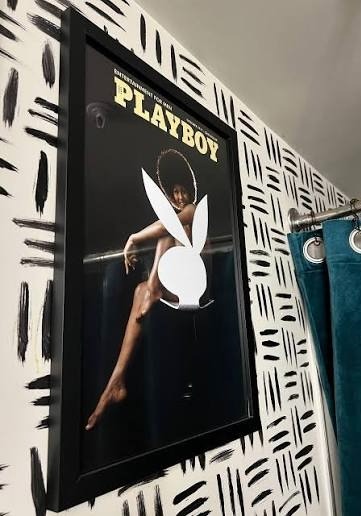
Photographer Richard Fegley captured the concept in a shot that would make history. He had walked into a bank one day, saw the young woman, and asked to take a few pictures of her—a moment that changed her entire life. The photos landed in the hands of Playboy’s editors, and soon Darine graced the cover of the October 1971 issue. It was a historic moment—the first time a Black woman had appeared on the magazine’s cover without any companions, in complete self-sufficiency and power. Darine Stern became the first Black model to appear solo on a Playboy cover. Before her, other African-American models had been featured in the magazine—Jennifer Jackson (Playmate of the Month in March 1965) and Jean Bell (Playmate of the Month in October 1969). However, only Stern was given the honor of gracing the cover alone, which became a true act of recognition and equality. The October 1971 cover was a massive success: its circulation was a major event for Playboy and is considered one of the key moments in the representation of Black women in mainstream glossies. Her cover appearance became a symbol of confidence, dignity, and freedom. Darine Stern not only broke racial barriers but also showed that beauty has countless faces.
Professional Career
After her sensational debut, Darine was not limited to the fame of a “cover girl.” She moved to New York to pursue a career as a professional model. She was represented by leading agencies—Ford Models, Shirley Hamilton Models, and Ellen Harth. Darine walked the top runways in the US and Europe, becoming one of the few Black models of that era to gain international recognition. Her style, charisma, and self-confidence shattered stereotypes and paved the way for names like Naomi Campbell, Iman, and Beverly Johnson.
Later, Stern founded her own modeling agency—the Darine Stern Agency—which focused on developing young talent and supporting models of African-American descent. Her goal was simple but profound: to give a chance to those who, like her, didn’t fit the traditional standards of beauty.
Later, after retiring from an active runway career, Darine returned to Chicago and worked as a style consultant, image director, and fashion coordinator.
In the early 1990s, Darine Stern moved to Massachusetts, where a new chapter of her life began. Here, she lived a more private life and was in a relationship with African-American businessman Kenton Clark. Despite her lower public profile, she remained active in the world of fashion and image: she consulted young models, shared her experience, and supported emerging African-American talent.
Legacy
Darine Stern’s life was cut tragically short—she passed away on February 5, 1994, at the age of 46. The cause of death was complications from breast cancer. Despite her short life, her impact on fashion, representation, and culture is permanent. Darine not only broke racial barriers but also showed the world that beauty has countless faces. Her image on the 1971 Playboy cover is not just a photograph; it is a symbol of confidence, dignity, and freedom.