

This isn’t just the life story of a talented esthetician from Chicago; it’s the evolution of American aesthetics itself. She is a woman who built, with her own hands, a profession that is now one of the most popular in the beauty industry. For over 40 years, Graffeo dedicated her life not only to perfecting her own craft but also to creating an educational system that gave thousands of women and men the opportunity to thrive in the field of esthetics. Read more at chicagoka.com.
Biography
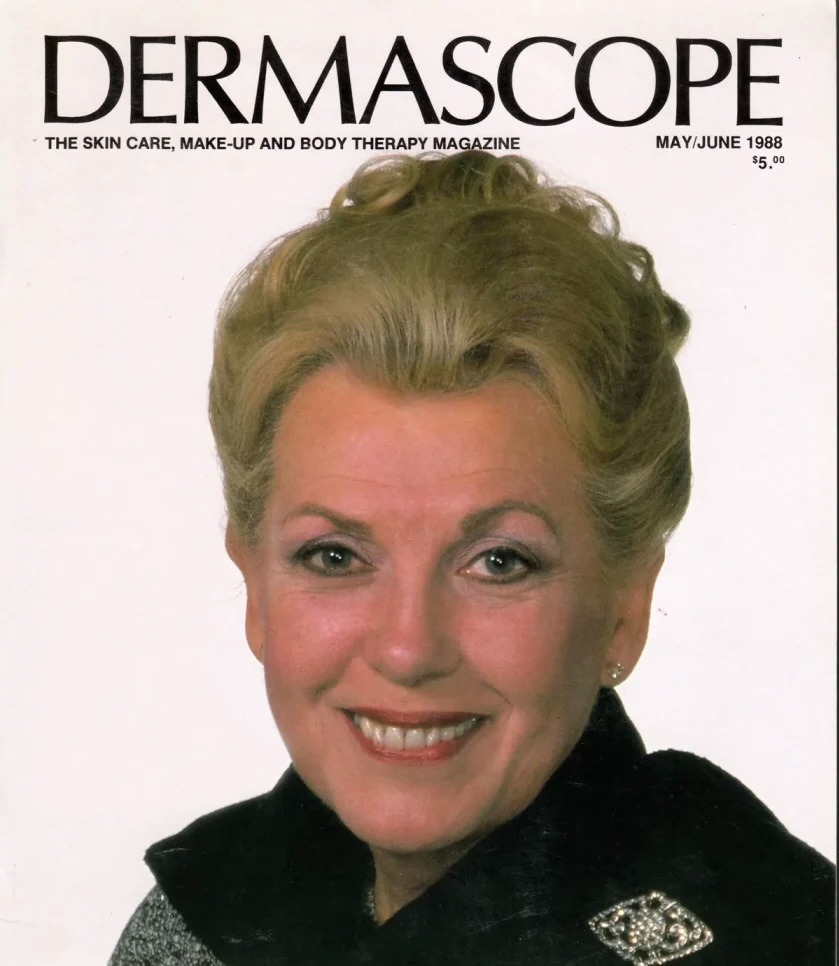
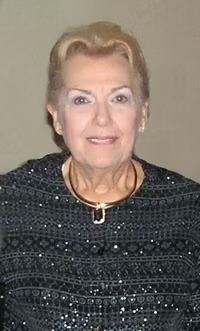
Mary Ann was born and raised in Chicago. Her career began at just 18 years old when her father gifted her a beauty salon—from that moment, she embarked on her professional journey. She realized that true success was impossible without deep knowledge, so she decided to pursue an education in cosmetology and joined the National Cosmetologists Association (NCA). This step became a turning point: Mary Ann began to actively participate in the organization’s activities, a move that would shape her future as a leader and reformer.
In 1962, she and her husband opened J.M. Beauty Supply, a cosmetics supply company. It was then she first became involved in the broader cosmetology community, joining the Board of Directors of the Illinois Cosmetology Association (ICA) at the affiliate level. In 1971, Graffeo acquired one of the first Syd Simons Cosmetics studios, where she studied under Syd Simons himself—one of the most famous makeup artists of the era. Subsequently, she traveled to Europe to master advanced European skincare techniques. Upon returning to the US, Mary Ann created her own “Americanized” philosophy of aesthetics, blending European traditions with new American technologies. It was thanks to her persistence that the profession of esthetician gained official recognition in Illinois. She went on to lead numerous professional organizations, including the Illinois Cosmetologists Association and the Aestheticians International Association (AIA), and became the first female esthetician to serve as a state-level president of an organization.
Thanks to her professionalism and energy, Mary Ann rose to become secretary of the Illinois State Board of Directors, a role she held for over 15 years. In 1976, she headed the organization as its affiliate-level president.
In 1974, she established an educational and networking group for estheticians in Chicago, which became a platform for exchanging knowledge and supporting new specialists. While training in Dallas in 1975, Graffeo met Ron Rene and Erica Miller, and she soon merged her Chicago group with the Aestheticians International Association (AIA).
Her dedication to the professional community led her to a leadership role within the AIA: first as secretary, then as first vice president (1982–1983). In 1983, she became president of the association, a position she held until 1984. She was the final president of the AIA before the organization merged with the National Cosmetology Association (NCA).
The Founding of Esthetics America
The 1980s became a landmark decade in Graffeo’s career. In 1984, she was a pivotal figure in the creation of the Federation of American Esthetics (FAE)—a unification of three influential associations: AIA, CIDESCO USA, and Skin Care of America. A year later, in August 1985, at her initiative, the FAE merged with the NCA to form a new entity: EstheticsAmerica.
Thanks to her influence, Illinois became one of the first states to introduce continuing education programs for estheticians within the state university system. Legislation was also passed to create dedicated licensing for the profession.
Mary Ann didn’t stop at her achievements. She became one of the first in the US to pioneer the field of paramedical cosmetology—a clinical branch of cosmetology that helps patients restore their appearance and self-confidence after surgeries, burns, or dermatological conditions.
In collaboration with plastic surgeons and dermatologists, Graffeo conducted courses on camouflaging scars and skin imperfections. She viewed her work as not just aesthetic, but as a form of psychological support for people who had endured severe trauma.
Fields of Activity
Mary Ann Graffeo left behind much more than the career of a successful esthetician—she laid the foundation for modern American aesthetics. Her work influenced professional standards, legislation, education, and even the perception of beauty as a tool for psychological healing.
One of the most important areas of her work was the development of paramedical cosmetology—a field that merges medicine and aesthetics. Graffeo was one of the first in the US to begin working with patients recovering from burns, surgeries, or dermatological conditions, helping them restore not only their appearance but also their self-confidence. She understood that beauty could have a therapeutic effect and that skincare could be part of psychological rehabilitation. In collaboration with plastic surgeons and dermatologists, she conducted courses on camouflaging scars and imperfections.
Graffeo also made an invaluable contribution to the legal recognition of the esthetician profession. It was thanks to her persistent advocacy that Illinois became one of the first US states to implement official licensing for specialists in this field. She convinced lawmakers that aesthetics was not a luxury, but a professional discipline requiring proper education, practice, and ethical standards. Her initiatives became a model for other states, and eventually, the esthetician profession gained national recognition.
Another major accomplishment was the founding of her private school, Mary Ann Graffeo Advanced Aesthetics. This was not just a training center but a true laboratory of knowledge where students studied skin anatomy, skincare technologies, the psychology of aesthetics, and makeup. In her curriculum, Mary Ann blended the European school with American innovations, creating a unique educational system that shaped an entire generation of professionals. Her students went on to open their own salons, become instructors, experts, and researchers—and they all remembered Graffeo as a mentor who taught them critical thinking, not just how to repeat a technique.
Recognition
Among the many awards honoring her work, her 2005 induction into the National Cosmetology Association’s (NCA) Hall of Renown holds a special place. This is the highest professional honor in the US, given only to those who have made a systemic impact on the industry’s development. Throughout her career, Mary Ann Graffeo received dozens of awards, including the Golden Eagle Award, Silver Platter Award, and the Academy of Legends Award. Her contributions to the profession were recognized by leading industry experts, and her colleagues called her an “encyclopedia of American aesthetics.”
In a career spanning more than 43 years, Mary Ann Graffeo became not only an entrepreneur and educator but also a trendsetter in the field of aesthetics. Her contributions were recognized in 2005 when she was inducted into the National Cosmetology Association’s (NCA) Hall of Renown—one of the highest professional honors in the US. Under her leadership, Illinois became one of the first states to include aesthetics in continuing education programs and to pass legislation mandating separate licensing for estheticians. Mary Ann Graffeo continued to work until her final days; her salon closed on June 28, just days before her death.