

Ruth McCormick is a famous woman in America, known primarily as an influential U.S. Representative from Illinois. Her hard work, sense of fairness, and other qualities allowed Ruth to build a brilliant career and earn authority in society. We’ll discuss the details of her life on chicagoka.com.
Childhood and Young Adulthood
Ruth was born on March 27, 1880, in Cleveland, Ohio. When she turned 16, her father was elected to the U.S. Senate. After finishing high school, Ruth moved to Washington, D.C., to work as his personal secretary. When her father was absent from Senate debates, Ruth would sit in the gallery and take notes for him, thereby gaining invaluable political experience.
In 1903, Ruth married Medill McCormick, heir to the Chicago Tribune newspaper. After the wedding, the couple moved to Chicago. During their years in the city, Ruth became deeply involved in progressive reforms, was a member of various movements, and simultaneously raised three children. She was also a strong advocate for the pure food movement; when she couldn’t find quality milk for her children, she opened her own dairy and breeding farms.
Political Career
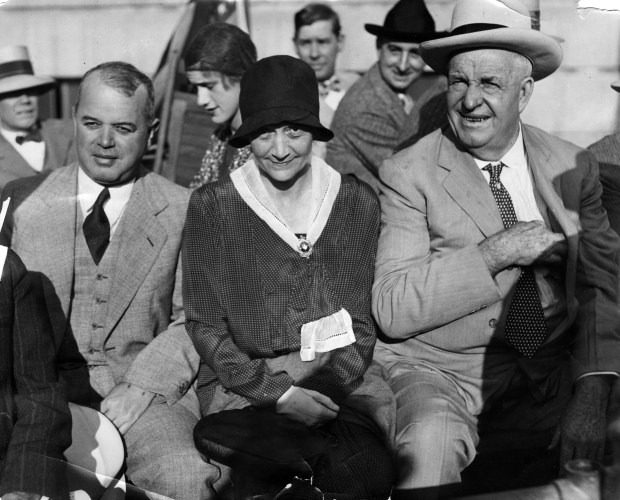
In 1913, Medill was elected to the Illinois state legislature, and Ruth began working as a lobbyist to secure the passage of the Equal Suffrage Law in Illinois. During this period, she also succeeded Alice Paul as the chair of the Congressional Committee of the National American Woman Suffrage Association (NAWSA). Ruth’s goal was to engage women with the Republican Party, which championed major reforms during the Progressive Era. Ruth McCormick believed that women voters should support these ideals. Ruth was also a supporter of Prohibition. To help women organize and vote Republican, she took on the role of leader of the newly established Republican Women’s National Executive Committee in 1918.
When women gained the right to vote in 1920, McCormick became even more involved in Republican Party politics and became the first woman on the Illinois Republican National Committee. In 1924, her husband failed to win re-election to the Senate; he died by suicide in February 1925. Ruth attributed his electoral loss to the lack of engagement from women voters. She spent the next four years building a large network of women’s GOP clubs, opening them in 90 counties across Illinois.
Throughout her career, McCormick advocated for the U.S. to avoid involvement in foreign wars. Although she was not a pacifist, she believed that participation in European problems did not benefit the country. In 1928, Ruth was elected as a U.S. Representative for the state of Illinois. She was soon appointed to the House Naval Affairs Committee. After a successful term in the House, Ruth ran for the Senate. She was nominated by the Republican Party. However, in 1930, McCormick was unsuccessful in her bid for the Senate.
In 1932, Ruth married Gallatin Sims and moved with him to Albuquerque, New Mexico. There, in 1934, Ruth founded a girls’ school and continued to manage two newspapers and a radio station in Illinois. In 1940, she sold her Illinois dairy farm and purchased a 250,000-acre ranch in Colorado, where she began raising cattle and sheep.
In 1940, McCormick became the first woman to manage a presidential campaign—for Thomas Dewey against Franklin D. Roosevelt. It is worth noting that Dewey was 37 years old and had virtually no political experience. However, McCormick used her decades of expertise and helped him run a successful campaign.
Final Years
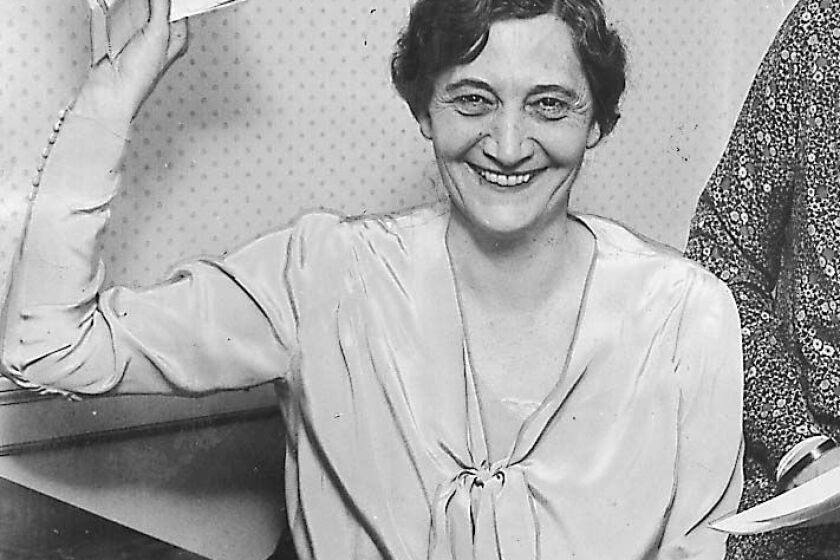
After ending her political career, Ruth moved to her ranch in Colorado. She also continued to assist Thomas Dewey, offering him important advice during his tenure as governor. In October 1944, Ruth fell from a horse while riding and broke her shoulder. Shortly after being discharged from the hospital, she developed pancreatitis. Ruth McCormick passed away on December 31, 1944.