

Her name has become a symbol of the fight for civil rights, free speech, and justice in the United States from the late 19th to the early 20th century. Ida B. Wells left an indelible mark on history as a journalist, civil rights advocate, activist, and one of the first leaders of the African American rights movement. Her life is a powerful example of resilience, courage, and an uncompromising pursuit of truth, even when it put her in grave danger. You can also read the biography of the successful and influential politician Ruth McCormick. More to come on chicagoka.
Early Life and Education
Ida Bell Wells was born on July 16, 1862, in Holly Springs, Mississippi, to James and Lizzie Wells, both former slaves. Ida’s parents were active community members: her father worked as a carpenter and participated in local politics, while her mother managed the household and raised their children. However, Ida’s childhood was tragically cut short. When she was only 16, an epidemic of yellow fever claimed the lives of both her parents and her younger brother. As the eldest of six surviving children, Ida immediately took on the responsibility for the family. To support her siblings, she began working as a teacher in a school for Black children.
Despite the severe limitations on education for African Americans at the time, Ida not only taught others but also continued her own learning. She attended Fisk University in Nashville, one of the few educational institutions accessible to Black people. While teaching helped Ida survive, she quickly recognized that inequality and discrimination permeated all of society, including education. Her personal experiences with racial injustice became the catalyst for her public fight for Black rights.
She soon began writing for newspapers, including the Free Speech and Headlight in Memphis, where she eventually became a co-owner and chief editor. Wells used her powerful voice to expose the systemic problems of racism, lynching, women’s discrimination, and social inequality. Her publications caused a huge stir, attracted public attention, and eventually made her one of the most compelling voices in the African American rights movement. Ida Wells became a journalist not just out of a desire to write, but out of a desperate need to change the world around her. Her story demonstrates how personal tragedy, confronting sharp injustice, and a deep desire to protect one’s community can inspire a person to a struggle that ultimately changes history.
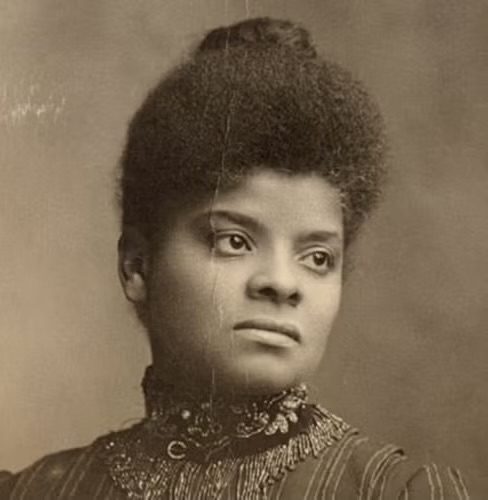
Pioneering Investigative Journalism
Ida Wells became one of the first African American women to work actively in the press—a field that was then almost entirely closed to Black people, especially women. She didn’t just write articles; she used journalism as a vital tool to combat structural injustice. Her sharp, deeply researched material was published in outlets such as the Memphis Free Speech and Headlight (where she served as co-owner and editor), the New York Age, and the Chicago Conservator.
A particularly crucial focus of her work was the investigation into lynching—a brutal practice that surged across the American South after the Civil War. These murders of Black people, carried out without trial, were often falsely justified as “retaliation” for imagined crimes, usually involving Black men and white women. However, Wells used rigorous journalistic methods to collect and analyze data on every case, showing that lynching was primarily a tool to keep African Americans subjugated, restrict their economic freedom, and prevent their success in business.
In 1895, Ida Wells published “The Red Record,” one of the first systematic works on lynching in America. In it, she provided specific examples, statistics, and a deep analysis of the true motives behind these crimes. Her work resonated widely but also put her in serious peril. After publishing her powerful anti-lynching investigation in Memphis, the office of the Free Speech newspaper was burned down, and Wells received numerous death threats.

Exile and Activism
Following the publication of articles in her own newspaper, the Memphis Free Speech and Headlight, where Wells harshly criticized lynching and revealed its true motives, the paper’s office was attacked and destroyed. A white mob rioted, burning the building and threatening Ida’s life. She received numerous letters threatening her with murder and threats to personally burn down her home. Ida Wells was forced to flee Memphis in 1892. She relocated to Chicago, where she immediately resumed her journalistic work and her fight for Black rights.
In Chicago, she found a new audience and the opportunity to spread her ideas through national and international publications. She actively spoke at public gatherings, delivered lectures, and spearheaded anti-lynching campaigns across the U.S. Wells became known not only as a journalist but also as an outstanding orator and civil rights defender.
In addition to the U.S., Ida traveled throughout Great Britain and Europe, where she sought to draw global attention to the racial issues plaguing the United States. She spoke in various cities, met with politicians, journalists, and public figures, detailing the horrific practice of lynching and discrimination. These international appearances helped her increase pressure on American authorities and society.
Despite all the dangers and obstacles, Ida Wells never wavered from her mission to defend the rights and dignity of African Americans. Her example continues to inspire many justice seekers, and her uncompromising struggle became a symbol of active journalism and the civil rights movement.
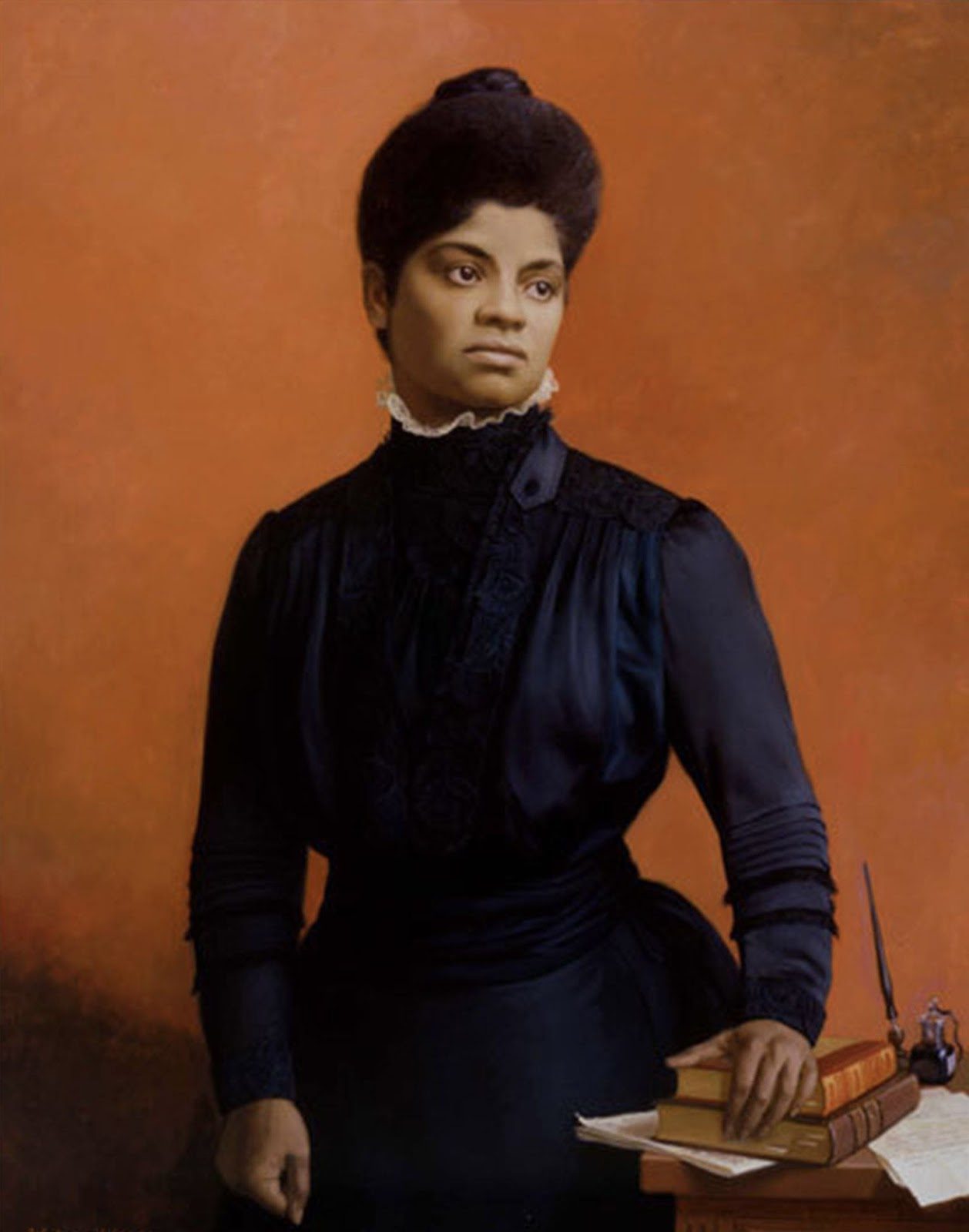
Legacy and Honors
Ida Wells was not only a distinguished journalist but also an active civic leader whose efforts profoundly impacted the movements for African American and women’s rights in the United States. In 1909, she became one of the founders of the National Association for the Advancement of Colored People (NAACP)—one of the most influential organizations in the fight for civil rights. Wells used her connections and journalistic experience to support the association’s work, promote ideas of equality, and mobilize the community for an active struggle against racial discrimination.
At the same time, Wells was a fierce advocate for women’s rights. She became one of the first African American women to openly demand suffrage for women. She participated in the suffragist movement, spoke at rallies, and published articles emphasizing the importance of equality not only by race but also by gender. Under her influence and due to her persistence, numerous initiatives for social justice were born, which later transformed into the powerful Civil Rights Movements of the mid-20th century. Her legacy served as a foundation for activists like Rosa Parks and continues to inspire many contemporary advocates.
In 2020, more than a century after her death, Ida B. Wells was posthumously awarded a Pulitzer Prize for her outstanding and courageous journalistic contributions to exposing the horrific reality of lynching in the U.S. This recognition was not just an act of historical justice but also a symbol of how journalism can change society. Schools, streets, and scientific institutions are named after her, and her life and work are studied in schools and universities. Ida B. Wells’ life is a constant reminder that every voice matters, and true journalism must stand guard for truth and human dignity.
Also, learn about the Race Riots in Chicago.