

Chicago’s debutante balls are an essential part of the city’s social history. For over a century, they have been much more than just lavish celebrations. They stand as a symbol of generational continuity, civic duty, and philanthropy. While today’s events have taken on a more modern format, their roots trace back to the late 19th century. During that era, Chicago was experiencing rapid economic growth, giving rise to a powerful new urban elite. Read more on chicagoka.
The Rise of the Social Elite
During the second half of the 19th century, Chicago’s social scene truly began to thrive. Wealthy families established exclusive private clubs and threw themselves into charitable work. They also became generous patrons of the arts and education, funding museums, theaters, and universities.
Venues like the Chicago Club, founded in 1869, and the Fortnightly women’s club, which opened in 1873, became the epicenters of this new social life. These weren’t just meeting places for the city’s elite; they were vibrant hubs of civic engagement. Members gathered to discuss cultural projects, educational initiatives, and charity campaigns. As the city’s wealth grew, so did the scale of its events, with grand receptions, dinner parties, and lavish balls becoming the norm. These glamorous evenings provided the perfect setting for socializing, forging business connections, and raising money for good causes. By the end of the 19th century, such high-society gatherings had become a hallmark of Chicago.
How Did Debutante Balls Begin?
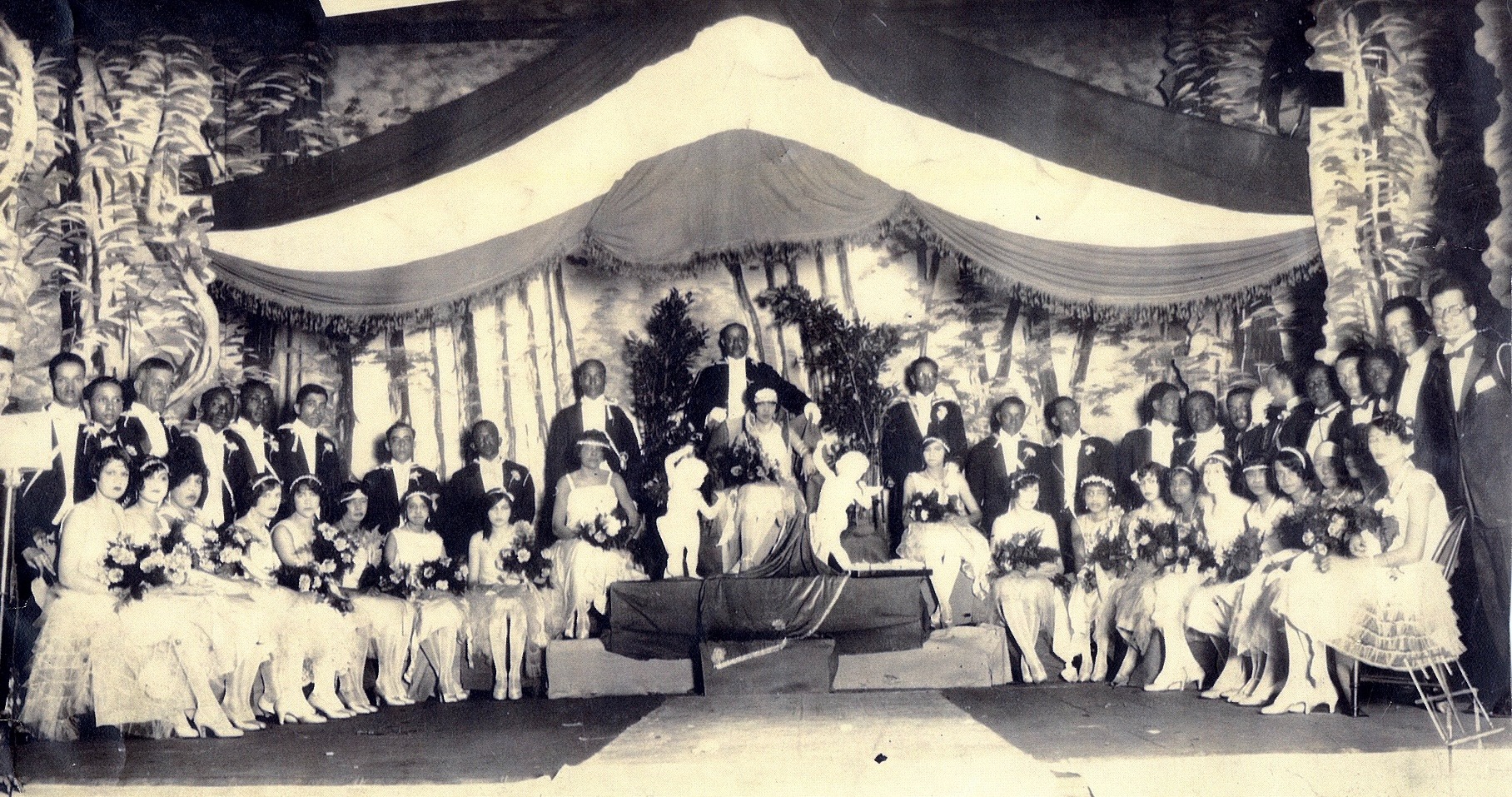
It was within this environment that the tradition of debutante balls was born. While it originally stemmed from European aristocratic customs, the practice took on an entirely new meaning in the United States. A debutante ball was a grand ceremony where young women from prominent families were officially introduced to high society. This ritual marked the beginning of their independent journeys, signaling their readiness to actively participate in the city’s civic, cultural, and philanthropic life.
For families, it was the perfect opportunity to show respect for local traditions, support charitable initiatives, and introduce the younger generation to philanthropy. The debutantes themselves used these events to network with leaders in culture, education, and civic organizations. They got involved in charity work and gradually became full-fledged, active members of society.
The Golden Age of Chicago’s Debutante Balls
At the turn of the 20th century, this tradition reached its peak in Chicago. Historians often refer to this era as the dawn of the city’s modern social scene. The booming growth of industry, banking, and international trade gave rise to new, powerful dynasties. These wealthy families quickly became the primary patrons of culture, education, medicine, and charity.
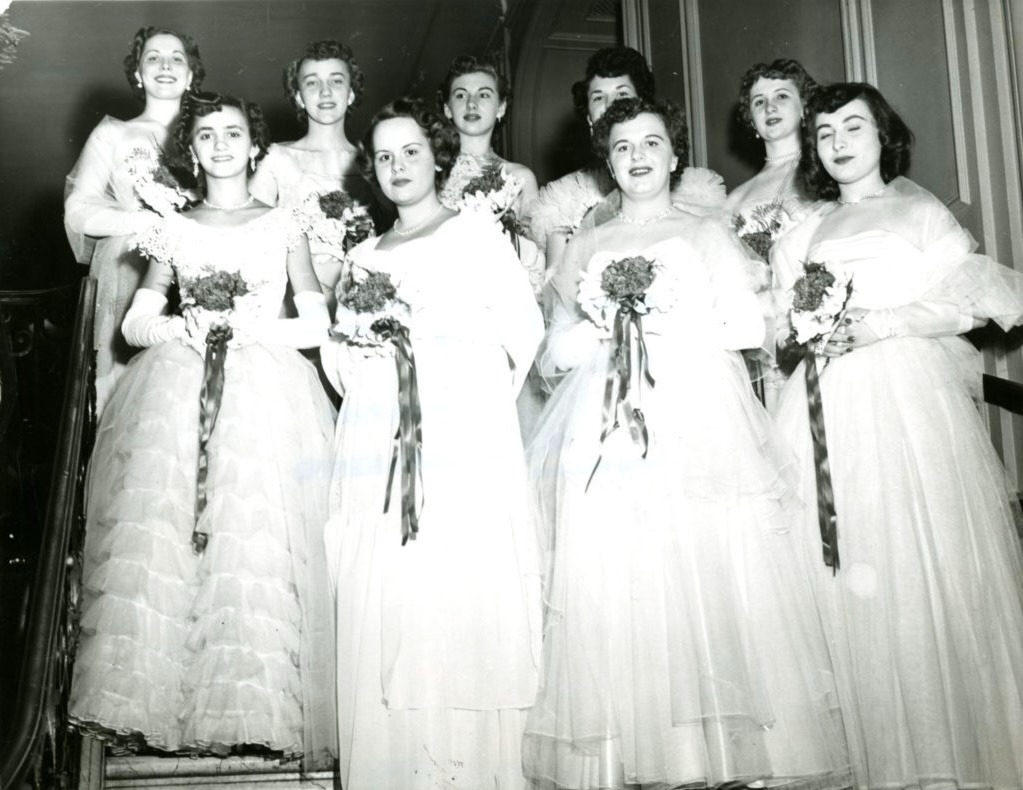
Being presented at a debutante ball was considered a tremendous honor. Invitations were typically reserved for the daughters of families who played a prominent role in city life. Attending such an evening confirmed not only a family’s elite status but also their commitment to carrying on a legacy of patronage. Before long, these coming-out ceremonies became seamlessly integrated into Chicago’s major charity balls. Increasingly, young women made their societal debuts at events dedicated to raising funds for hospitals, cultural institutions, and educational programs.
By the turn of the century, philanthropy began to set the tone for the city’s social calendar. While lavish receptions were once merely venues for elite mingling, they soon transformed into powerful tools for supporting civic initiatives. Charity balls were hosted to benefit hospitals, orphanages, schools, libraries, art museums, and social services. Guests purchased tickets, made generous donations, participated in fundraisers, and frequently bankrolled entire projects.
For the debutantes, these balls were their first real step into public life. The young women joined charity committees, helped organize events, and learned firsthand about the work of Chicago’s cultural and social institutions. This hands-on experience helped shape a completely new generation of women. Years later, it was these same women who would go on to lead civic organizations, charitable foundations, and arts societies.
The Role of Women’s Clubs
Chicago’s women’s clubs played a massive role in shaping the debutante tradition. In the late 19th century, these clubs evolved into true centers of the city’s cultural and intellectual life. Their members hosted lectures, literary evenings, concerts, art exhibitions, and charity galas. Furthermore, they fiercely advocated for women’s education, championed social reforms, and backed cultural initiatives.
Thanks to these organizations, the status of a debutante was no longer tied solely to high-society etiquette. Civic responsibility took center stage. Young women were actively encouraged to volunteer, support educational projects, and work on philanthropic programs.
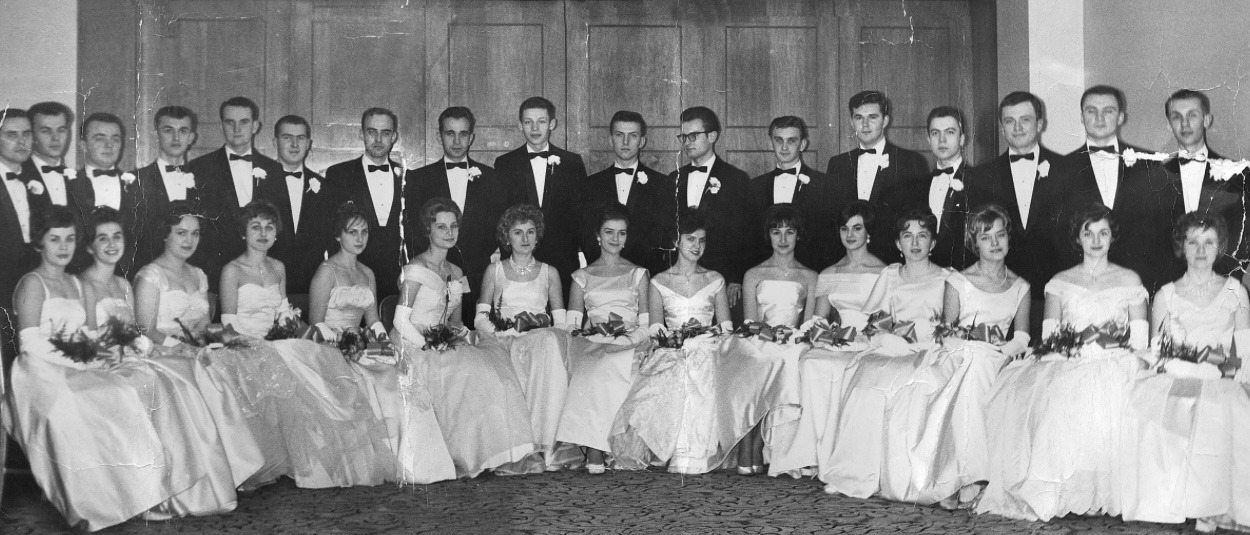
The classic debutante ball followed a strict ceremonial protocol. Organizers paid immense attention to social etiquette, musical accompaniment, and the lavish decoration of the ballrooms. Traditionally, the girls were presented in long white gowns—a symbol of entering a new chapter in their lives. The look was completed with long gloves, elegant evening jewelry, and floral bouquets. In Western culture, white has always been associated with solemnity, pure intentions, and respect for tradition. The highlight of the evening was the official presentation of the young ladies to the esteemed guests. Afterward, the dance floor opened to the sounds of symphony orchestras or renowned musical ensembles. Yet, even at the peak of their popularity, organizers never failed to remind attendees that the main goal of the evening was charity. This focus on giving back is exactly what set the Chicago tradition apart from many of its European counterparts.
A New Generation of Traditions
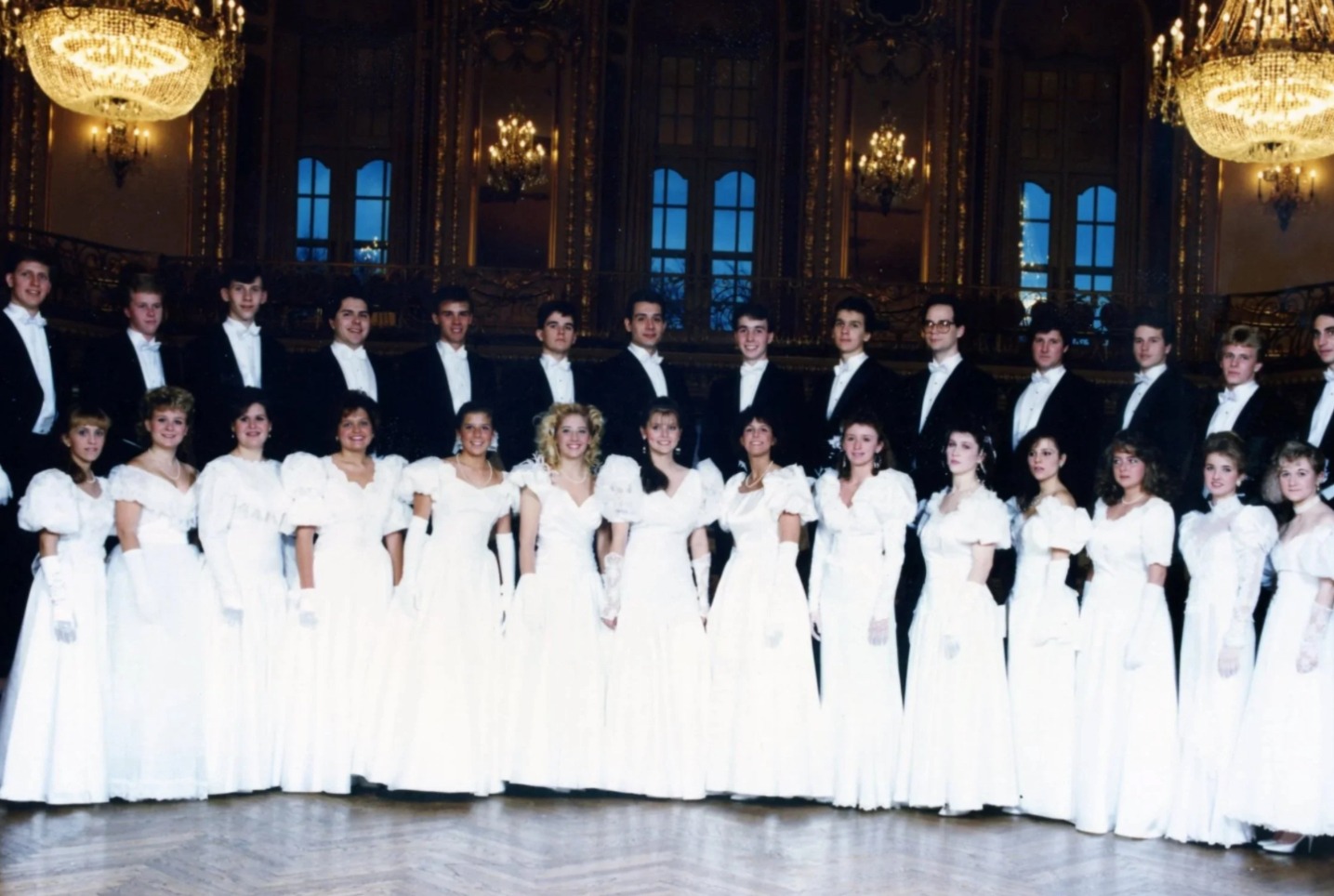
In the early 20th century, debutante balls remained one of the most prestigious events on Chicago’s social calendar, bringing together elites from various spheres. However, society was evolving. Women were increasingly pursuing higher education, building careers, participating in public campaigns, and running charitable foundations. These global shifts naturally impacted the balls. The tradition gradually lost its strictly ceremonial character. Instead, the spotlight shifted to the girls’ personal achievements, their leadership qualities, and their genuine desire to give back to the community.
In the 21st century, Chicago’s debutante balls have transformed significantly, yet they haven’t lost an ounce of their relevance. While they were once merely a beautiful symbol of a young woman’s entrance into high society, today these events are all about philanthropy, civic leadership, educational support, and community development. Modern balls in Chicago are organized by major foundations, civic movements, universities, cultural institutions, and professional associations. These galas raise impressive sums for scholarships, youth programs, medical research, cultural projects, and social initiatives that directly benefit the local community.